The security backdrop investors must track
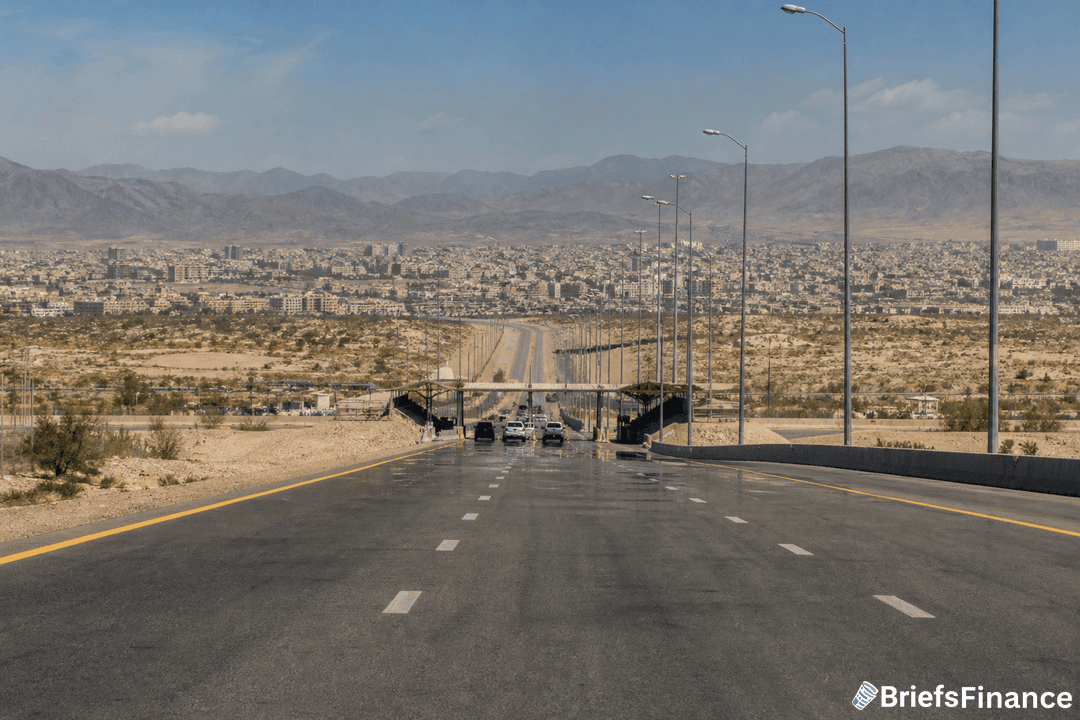
Houthi strikes shut Riyadh's main airport, turning risk from an abstract worry into route planning. Tied to Iran's so-called axis of resistance, the Houthis have clashed with Riyadh since long before a US-Israeli war that the report dates to February.
Their campaign intensified in October after Saudi-backed Yemeni forces moved to reclaim territory held by the Houthis. In the aftermath, airport attacks - including in Riyadh - have left more than 20 people dead, and while the capital's hub is easing back open, the broader security picture remains shaky.
Another variable is Washington. President Donald Trump has repeatedly warned of fresh strikes on Iran after the Nov. 3 US midterms, a move that would heighten peril not only for Saudi Arabia but also for a region already shaken by Iranian strikes earlier this year.
How business travel is adapting on the fly
Advisers are rewriting their playbooks. One consultant drove for hours from Oman to reach Riyadh after flights were halted, stayed two weeks, and now plans to come back via Doha, betting that being on the ground beats rivals who are skipping trips. A different adviser who scrapped a trip citing safety worries was pressed by a Saudi client about not showing up in person.
Even as many offices in Riyadh shift to remote work, some local counterparts still expect international advisers in the room. Travel advisories from the US and Britain have led some firms to cut back visits, and executives who do go are arranging longer-term stays to minimize security risks. One Abu Dhabi-based executive, already struggling to win Saudi mandates, has been flying to Bahrain and then driving to Khobar and Riyadh so as not to miss opportunities.
Policy signals and the competitive landscape
Officials have kept a firm line even as marquee gatherings, including the Future Investment Initiative, were canceled or delayed. Last month at the World Petroleum Congress, Saudi Energy Minister Abdulaziz bin Salman told attendees, "To everyone who has traveled to Riyadh, thank you." He added, "Your presence matters. When circumstances become more difficult, dialogue becomes more important."
For dealmakers, incentives and expectations are clear. For years, the Public Investment Fund has stated it intends to hold back from working with companies that aren't headquartered in Saudi Arabia, while officials have dangled lucrative deals to attract regional HQs. Still, many professionals continue to fly in; even so, compared with the United Arab Emirates - now a top base for hedge funds, major Wall Street firms and multinational companies - the kingdom trails.
Unexpected events abroad can change investment landscapes, so preparation pays off. We're hosting our first ever investor livestream on 11/17 to show you how to use ChatGPT and Claude to invest like a pro, hosted by Briefs Finance CEO Jaspreet Singh. Save your seat.
The fourth quarter is packed next door. The UAE is set to host the Formula One Grand Prix and other big finance and cultural events. Finance chiefs are still turning up in Abu Dhabi; despite two energy companies pulling out of the city's yearly oil gathering, Sam Altman, the OpenAI chief executive, attended.
Why this matters for your portfolio
Saudi Arabia remains a live opportunity set. The Arab world's biggest economy is pushing a multi-trillion dollar transformation that is creating mandates beyond oil - from tourism and artificial intelligence to technology, manufacturing and infrastructure.
There are practical frictions. Riyadh still offers fewer schooling and housing choices and a less familiar lifestyle for many Western expats, though that is starting to shift. Late last year, the government froze rents for five years to improve affordability and began allowing high-earning residents to buy alcohol.
Commuting remains possible thanks to the kingdom's size and transport links, the main airport is gradually reopening, and daily routines continue in much of the country - Last month, thousands went to a concert headlined by Lebanese singer Fadel Chaker. "Saudis are getting on with their lives and their work, offices are open and meetings are happening," said Rana Maristani, CEO of UK-based R Consultancy Group.
The bottom line: the next three months are the tell. "If Riyadh airport stays open and the air defense gaps are closed, confidence comes back quickly," Bauer said.
Using better tools and perspectives helps investors navigate uncertainty with confidence. On 11/17, our CEO Jaspreet Singh goes live for our first ever investor livestream on how to use ChatGPT and Claude to invest like a pro. Register to join him.