Traditional financial news and education have always been run by Wall Street suits.
At Briefs Finance, we ditched the suits but kept the Briefs.
We're a Detroit-based financial technology company powered by media on a simple mission: help regular people get better with their money. Not the folks who already have a guy on Wall Street. You.
Why we exist
Here's the uncomfortable truth most finance companies won't say: investing is hard, and most people lose money trying.
It's not because they aren't smart. It's because the whole system was built to feel confusing, intimidating, and expensive.
Wall Street firms charge $5,000 to $10,000+ to manage your money. It can be hard to keep up with financial news and stay informed.
We think there's a better way, and it starts with one idea:
When the economy shifts, money shifts.
Smart investors don't chase yesterday's winners. They figure out where money is moving next, and they get there before the crowd.
That takes research, not headlines. Research is exactly what we do.
Meet the founder
Briefs Finance was started by Jaspreet Singh.
Jaspreet graduated from law school and then never worked a single day as an attorney.
Instead, he went all-in studying the most successful investors in the world, trying to reverse-engineer how they actually build wealth. He'll be the first to tell you his real edge was being willing to work hard, screw up a lot, and never give up.
What he learned became the foundation of everything we do. The goal hasn't changed since: democratize investing education and make it accessible for regular people - not just the people who can afford a private wealth manager.
What we believe
Our philosophy is simple, and a little contrarian.
The person digging the gold out of the ground knows more about the industry than someone sitting on Wall Street.
In plain English: real research beats recycled news. Here's what that looks like for us:
- Invest where money is moving, not where it already went
- Use research to stay ahead of the crowd, instead of reacting to it
- Keep everything in plain English, so you never feel talked down to or talked over
- Be honest about the risks, every single time
What we make
Everything we build is designed to take you from "I have no idea where to start" to "I know exactly why I own what I own."
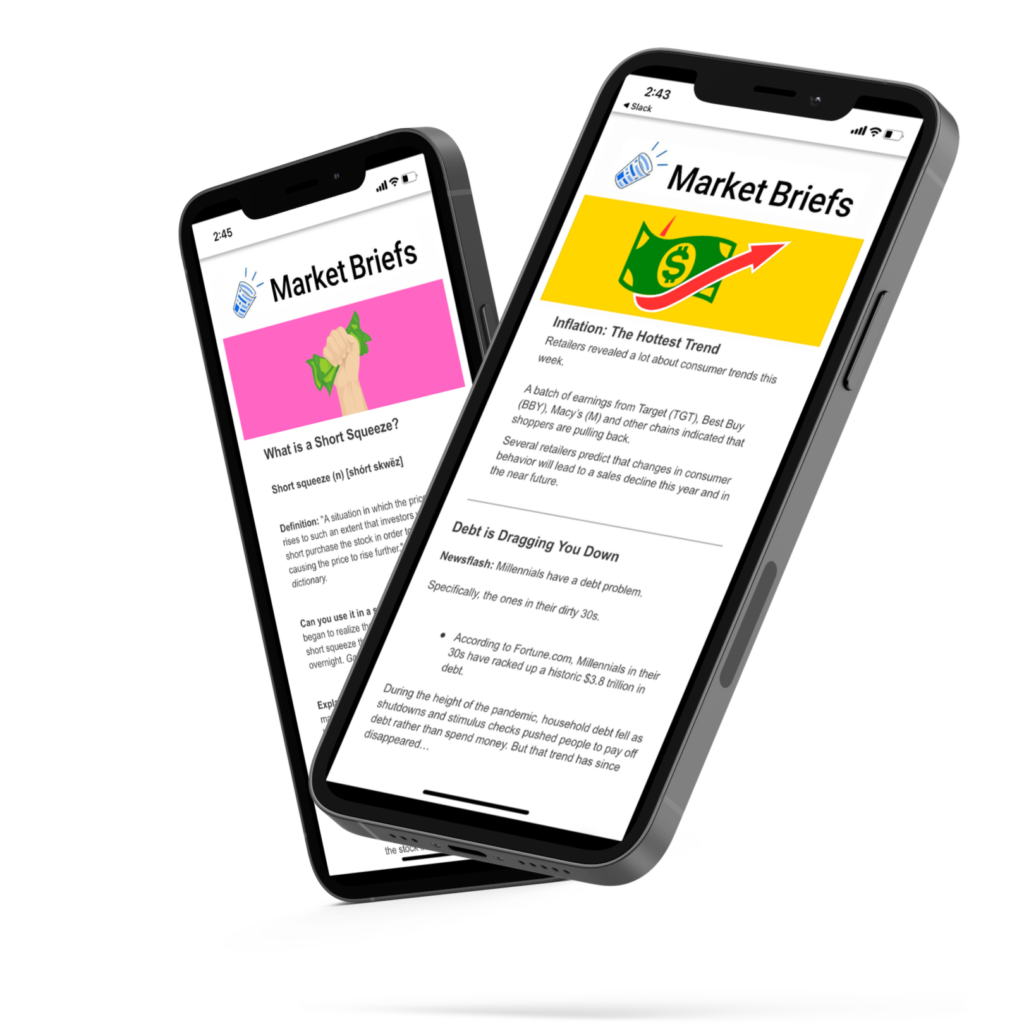
Market Briefs is our free daily newsletter, built for everyday investors.
Our motto is read less news, not more. We summarize the financial news that matters in 5 minutes or less, Sunday through Friday - and it's free for everyone, always.
Briefs Pro is our premium research membership for investors who want to stay ahead of market shifts.
Every week, our Briefs Research team spends 50+ hours digging through financial statements, pressure-testing opportunities, and tracking where the smart money is moving. Then we hand you the essence of it in a 10-minute report.
Inside Pro, you get:
- Monthly deep-dive reports that discuss opportunities for growth investors, income investors, and investors who want to preserve their wealth.
- Specific stock and cash-flow research backed by real analysis
- Custom charts and graphs, so you can feel what's happening in the markets, not just read about it
- A private community of thousands of fellow investors
Briefs Academy is our financial education platform.
It's a one-stop shop of Journeys (what we call our classes) covering building wealth, real estate investing, stock market investing, and more. Think of it as the course you wish someone handed you before you bought your first stock.
We're also building new tools to make research even easier, including the Briefs Terminal, Briefs Score, and Briefs AI. A few are still in beta, and we're just getting started.
A quick note on what we're not
We're a financial technology company powered by media, not a money management firm.
You can't invest in the Briefs Portfolio, and nothing we publish is personalized financial advice. Investing carries risk, and you should always talk to a licensed advisor about your specific situation.
We give you the research and the education, but the decisions are yours.
Come read along
Our team of money nerds shows up every day to bring you the best financial news and research the only way we know how: from the comfort of our Briefs.
We built the company we wish existed when we were starting out. Now we want to share it with you.
So go ahead - put on your Briefs and read along with us.
Start with the free daily newsletter or see what's inside Briefs Pro.