What happened this week
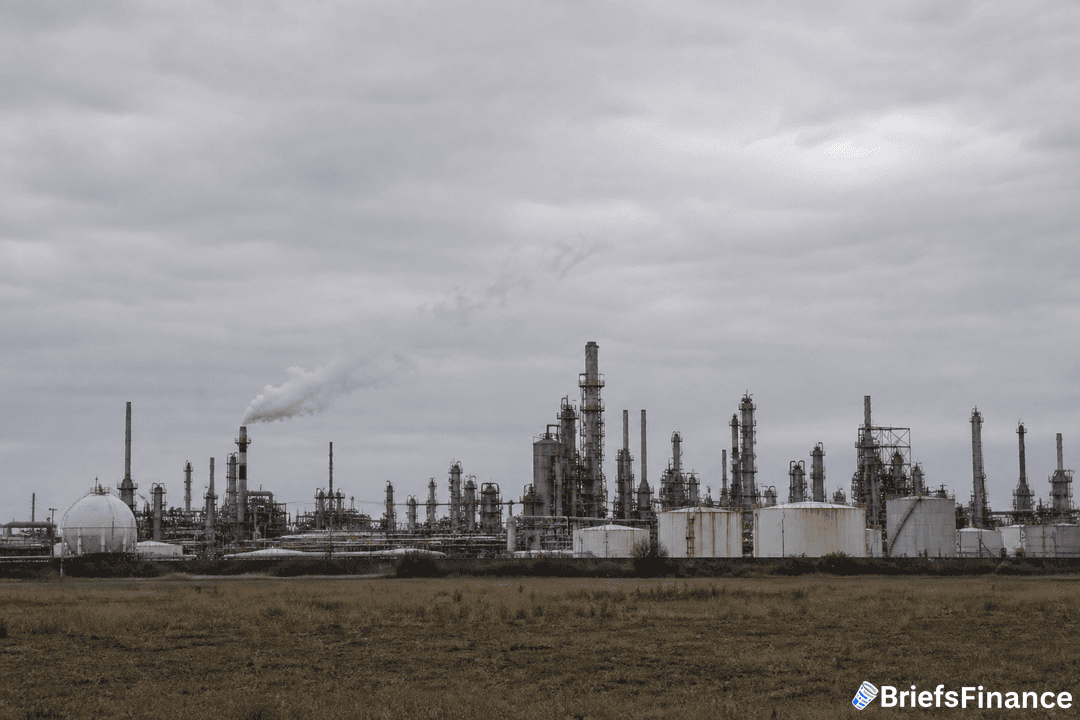
Ukraine restarted attacks on Russian refining assets after a brief lull. Over the weekend, strikes reached Ufa, a city that hosts three Rosneft PJSC refineries with total processing capacity near 470,000 barrels a day.
Kyiv's forces also struck a facility in the Volga region that hosts Lukoil PJSC's Norsi refinery, a plant engineered to handle 340,000 barrels a day. On Friday, a different Rosneft processing asset in the Samara region was hit, marking the first verified strike on a Russian fuel facility in about two weeks.
Damage from the latest incidents is not yet known. Even so, the renewed attacks underline how incomplete Russia's refining rebound remains after months of strikes pushed crude runs to multi-year lows and tightened the global diesel market.
How the crunch formed and the policy fix
Earlier strikes forced plants offline or into reduced runs, draining supply and lifting prices. In some regions, drivers waited hours or arrived before dawn to buy fuel before stations ran dry.
Moscow countered with more imports, curbs on exports and subsidies worth billions of dollars to refiners. Russia halted the bulk of diesel and gasoline shipments abroad and increased overland inflows from Belarus. Import flows by sea also jumped: Kpler data compiled by Bloomberg show about 89,000 barrels a day of seaborne gasoline arrived in October, roughly nine times July's pace. From July through October, the volume of gasoline brought in by sea reached 7.79 million barrels, led by cargoes from Turkey, Morocco and India.
Market disruptions remind investors that timely insights can make a real difference. We're hosting our first ever investor livestream on 11/17 to show you how to use ChatGPT and Claude to invest like a pro, hosted by Briefs Finance CEO Jaspreet Singh. Save your seat.
In October, the diesel export restrictions were eased in part following a deal reached by US President Donald Trump and Russian leader Vladimir Putin, aimed at lowering global and US diesel prices. A roughly two-week pause in Ukrainian strikes late in October let some capacity return, but Energy Aspects Ltd. estimates average refinery processing is still well below typical seasonal levels. That leaves the domestic market exposed, even though the visible symptom of the summer crunch - long queues at filling stations - has faded.
Signs of relief, with caveats
The Federal Statistics Service recorded the biggest weekly drop of the year in average retail gasoline prices in late October, yet prices were still nearly 20% above the level at the start of 2026. Official data, which have become more limited, indicated that the year-on-year drops in production of several key oil products moderated in September. In mid-October, Deputy Prime Minister Alexander Novak stated that the gasoline shortfall was down to about 5% of consumption.
Daily life is inching back. "Now that gasoline is available, what shall we talk about? The weather is great for October, by the way," a user in Yekaterinburg posted on GdeBenz. Russia's largest private oil producer, Lukoil, has even begun giving a modest diesel discount to shoppers who spend 100 rubles (1.24 dollars) or more in its convenience stores. Still, as one user in Ufa put it, "As long as attacks on refineries continue across Russia, this website will be relevant."
Investor takeaway
For portfolios tied to energy, the setup is a fragile recovery under stress. Imports, export controls and subsidies have eased the shortages, and queues have disappeared, but refinery runs remain soft and new strikes can quickly pinch supply. That mix keeps refined products sensitive to headlines and leaves little slack in the system.
Smart use of new tools helps investors manage uncertainty and seize opportunities. On 11/17, our CEO Jaspreet Singh goes live for our first ever investor livestream on how to use ChatGPT and Claude to invest like a pro. Register to join him.