What happened in Beijing
Meeting at the Great Hall of the People on Monday, Xi said China is willing to contribute "ideas and solutions" on regional security, adding, "The Gulf region of the Middle East should not become an arena for rivalry among major powers or geopolitical confrontation," per Xinhua. He also pressed for deeper cooperation in energy, trade, investment and artificial intelligence.
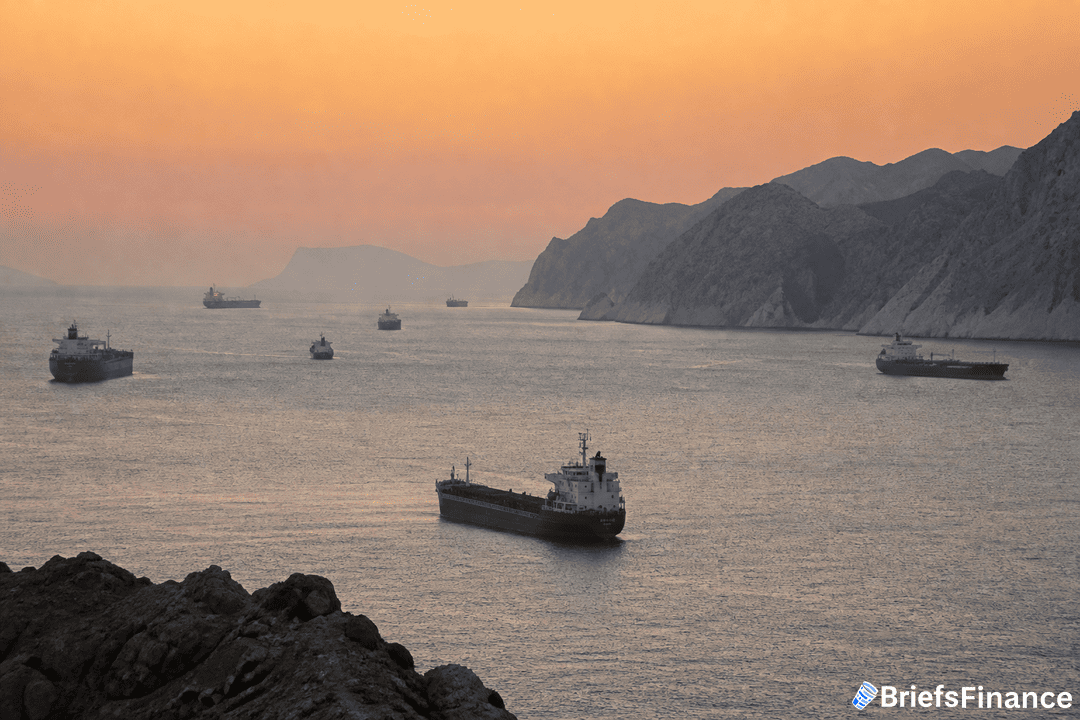
After the talks, both governments said in a joint statement that "normal and safe navigation through the Strait of Hormuz should be restored," according to China's Foreign Ministry. The trip was the first by Oman's head of state since diplomatic ties were established in 1978, and Sultan Haitham invited Xi to visit Oman.
Why this matters now
The meeting came as tensions rose. President Donald Trump stated that, after Tuesday's midterm elections, the US could restart strikes on Iran.
A renewed confrontation would hit Oman first-hand, as Muscat seeks a deal with its neighbor on Hormuz transit rules, and it would reverberate in China too, which, before the war, purchased about 90% of Iran's oil exports. Although energy flows from the Persian Gulf have picked up in recent months, supplies of Iranian crude that used to be popular with certain Chinese independent refiners have largely vanished, the result of a U.S. naval blockade meant to press Tehran back to the negotiating table. Countries on the Arabian Gulf, including Oman, fear that if the US and Israel strike a better-prepared Iran again, it could set off an even more destructive regional war.
Global events remind investors that staying informed can preserve capital and opportunities. We're hosting our first ever investor livestream on 11/17 to show you how to use ChatGPT and Claude to invest like a pro, hosted by Briefs Finance CEO Jaspreet Singh. Save your seat.
How Beijing and the Gulf are positioning
Concerns about security and about US commitments are pushing Gulf governments to explore tighter links with China, said Ja Ian Chong, an associate professor at the National University of Singapore who teaches political science. He noted that persistent instability around the Strait of Hormuz gives Beijing added reason to lock in access to energy supplies.
Beijing sees the Iran war as undermining confidence in the US-led order and speeding efforts to build security arrangements that lean less on Washington. When Xi visited Egypt in early September, he urged Middle Eastern countries to consider a new security order "free of external interference," and said China would back regional efforts to "reshape" the security architecture.
Oman is signaling its preferred path as well. In a speech in the UK last week, Foreign Minister Badr Albusaidi said Gulf states should pursue a non-aggression pact with Iran, and warned that any regional security setup that excludes Tehran is inherently unstable. Mao Ning said Monday that China's envoy responsible for Middle East affairs is scheduled to travel to Iran, Oman and Saudi Arabia in early November.
What this could mean for your portfolio
In plain English: China is trying to keep oil flowing through Hormuz while deepening energy and commercial ties across the Gulf, even as US pressure shuts in Iranian barrels. If shipping through the strait steadies, supply risks ease at the margin; if tensions escalate, expect fresh volatility in crude benchmarks and in freight rates linked to Gulf routes.
Embracing smarter tools helps thoughtful investors find clearer signals and steady advantages. On 11/17, our CEO Jaspreet Singh goes live for our first ever investor livestream on how to use ChatGPT and Claude to invest like a pro. Register to join him.