What's changing on the water
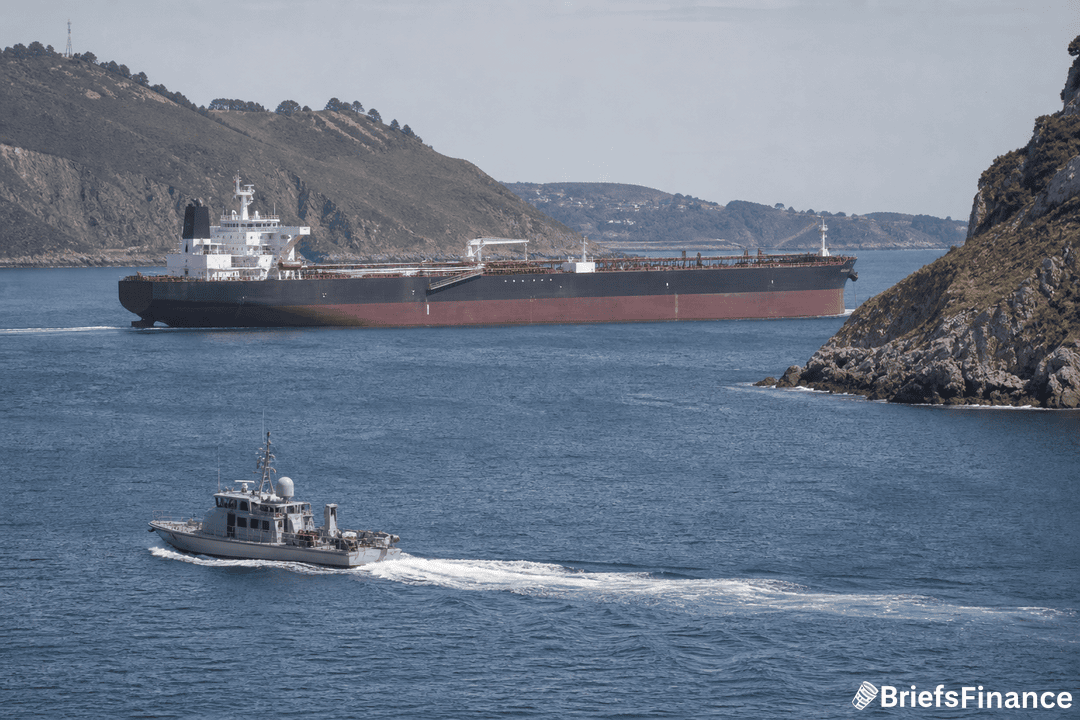
Attacks on vessels in the Strait of Hormuz have quickened. UK Maritime Trade Operations counts nine so far this month, equal to half of what it tallied across the Strait and the Persian Gulf for all of September. That earlier total was padded by four strikes in the month's final two days, highlighting how the tempo has recently picked up. Ships in the area have been targeted throughout the Iran war, but the pace has swung from lulls to flurries, with prior surges briefly denting flows before quick rebounds.
On Tuesday, Oman's defense ministry said it had rescued 10 crew members from the oil tanker On Peace after the ship caught fire following an attack, according to ship data. Most tankers are hugging a corridor near Oman's coast and often sail with their transponders off, leaving traders and analysts to lean on satellite pictures and shipping databases to gauge volumes.
Flows, prices, and freight
Oil movements through Hormuz have been climbing since summer. Last week, several Wall Street banks said shipments were nearing prewar levels, and major commodity traders at the Energy Intelligence Forum in London pegged Middle East flows at around 80% of pre-conflict volumes. That rebuilding of supply had recently helped pull Brent back under $100, but the latest attacks put a bit of fear premium back in: with the newest incidents adding a risk premium, Brent rose 0.8% to trade a touch above $101 during Asia's morning session, per ICE and Bloomberg's "Oil Rises With Vessel Attacks, Hormuz Flows in Focus."
Freight has ripped higher too. The daily cost to move crude from inside the Persian Gulf to China hit a record $1.3 million on Monday, Baltic Exchange data show. For context, that route averaged nearly $60,000 a day last year, and prices have exploded as fewer shipowners are willing to traverse Hormuz. LNG cargoes, carried by a smaller, specialized fleet that keeps gas cryogenic, also inched up before the latest strikes, but the pickup lagged oil.
Attacks on shipping and recovering flows pull oil prices in opposite directions. Market Briefs tracks energy risk free every weekday.
Security, policy, and the winter backdrop
Maritime security officials and shipping executives say it is too early to know whether the newest flare-up will drag down Hormuz oil flows or seaborne gas shipments, which had been edging higher. That uncertainty is exactly the point, says Dimitris Maniatis, CEO of risk firm Marisks: "Iran appears to be seeking to assert greater control over the Strait of Hormuz through one of its most established instruments of coercion: fear and uncertainty." As he put it, "Iran does not need to stop every vessel; it needs the maritime industry to believe that any vessel could be next."
With winter coming to the Northern Hemisphere, how much oil and gas squeezes through this chokepoint will heavily influence prices. Recent increases in energy costs have already stoked worries about stickier inflation and the prospect of higher interest rates. To ease the pressure, several consuming nations last week unveiled moves to draw millions of barrels from emergency reserves, and US President Donald Trump has been weighing options to cool domestic fuel prices ahead of the midterms.
Diplomacy watch and what to monitor
Vice President JD Vance, who has been part of US talks with Iran, told Reuters that a settlement aimed at both reopening the strait and bringing the war to a close would hinge on Tehran cutting its uranium-enrichment capacity rather than merely promising future reductions. He said Washington is engaging with Iran's president and foreign minister, while noting it is unclear who ultimately calls the shots in Tehran.
For your wallet, the takeaway is simple enough: if attacks lift shipping costs further or curb flows, that can feed through to energy prices and, in turn, the inflation gauges that shape borrowing costs. There is no clear read yet on whether volumes will dip, especially with many ships running dark, so watch the security news, freight quotes, and any fresh reserve releases for the next signal.
The risk premium in crude is being repriced almost daily. Join Market Briefs free and follow it.