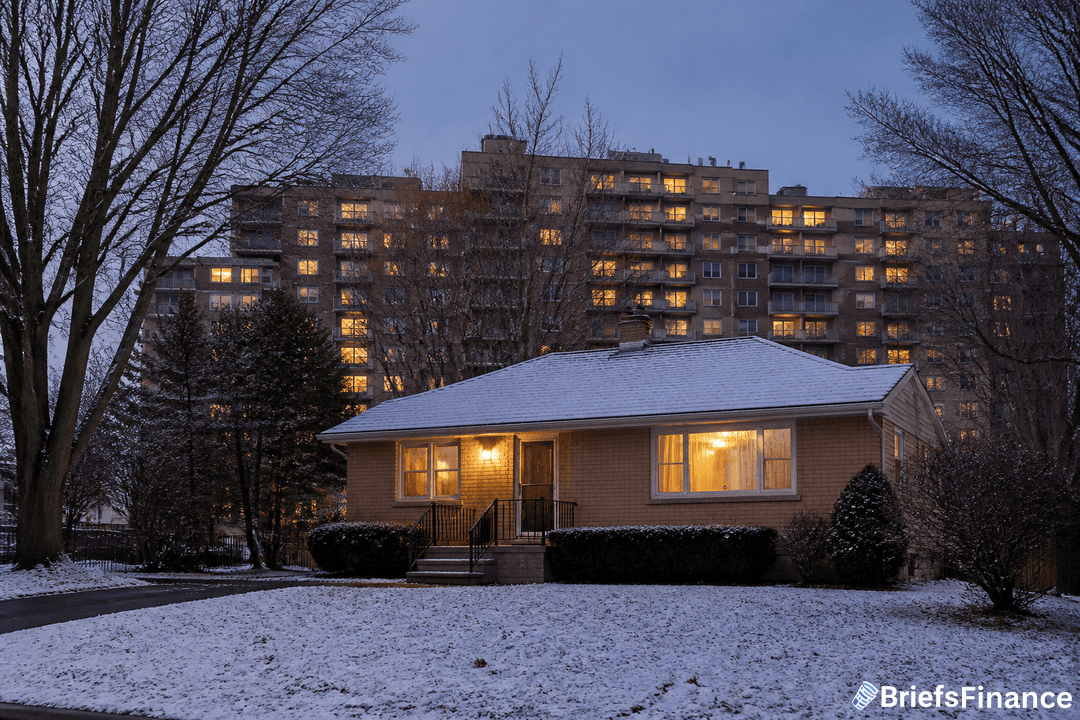
What happened to buyers and sellers
Mortgage rates sitting in the mid 7s have cooled demand, and the contract data shows it. Compass Chief Economist Mike Simonsen said the market is seeing "notably fewer offers" right now, with new pending contracts tracking 10.5% below a year ago for the latest week and down 8.4% compared with last September.
Zillow's read shows the same direction: it estimates September's pending sales were 8.5% under last year, and closings were 2.5% lower. We'll get another check when the National Association of Realtors publishes its September existing-home sales report on Oct. 13.
Simonsen added that supply is climbing and pricing dynamics are shifting. Total inventory is 4.4% higher than a year ago, not because sellers are rushing to list, but because homes are lingering longer. He pointed to more price cuts, even as final sale prices have not shown a meaningful decline. Some owners will stay patient, but those worn out by the wait may become more flexible on price.
Rents and the monthly math
As buying stalls, more households are renting. Zillow estimates U.S. rents rose 2.7% year over year in September, the strongest annual gain since April 2025.
In September, a median earner would have to devote 34.4% of income to a standard mortgage payment, compared with 33.7% one year earlier. A typical rent for that same income group took 26.3% of earnings, a touch below 26.4% a year earlier.
Zillow Chief Economist Mischa Fisher put it this way: the sales slowdown makes sense at today's rates, but the rental side staying firm is the surprise. Buyers on the edge are finding the month-to-month savings from renting hard to pass up, even if they still want to own later.
If 30-year rates stick near 7.5%, many would-be buyers may keep renting and wait it out.
Home sales and rents moving in opposite directions is a telling combination. Market Briefs reads housing free every weekday.
Who is still in the market and what could change
The tolerance for today's rates is low. According to a survey by John Burns Research and Consulting, just 6% of U.S. homeowners and renters say a mortgage around 7.5% would feel acceptable to them. In that same survey, the "magic mortgage rate" that about half would accept landed between 5% and 5.49%.
A year back, rates were roughly 6.3%. They briefly slipped under 6% in February, then moved higher after the start of the Iran war, with inflation and debt concerns adding more lift this fall. NAR Chief Economist Lawrence Yun called the timeline for relief in borrowing costs "highly uncertain."
Fisher said, "We expect sales to remain lower than last year through the fourth quarter," while leaving the door open to a fast retreat in rates that could pull both buyers and sellers back in. Simonsen sees openings for attentive shoppers: "For buyers willing to pay attention, finding a motivated seller can create bargaining power." He also flagged a possible uptick in short sales from buyers over the past four years who used small down payments and may now owe more than their home is worth. Still, he expects overall distressed sales such as foreclosures to stay limited into next year, supported by a solid job market, healthy homeowner equity, and many owners locked into low mortgage rates.
What this means for your portfolio
High-7% mortgages, softer sales, and firmer rents are reshaping monthly budgets. That mix could keep purchase activity subdued through year end and push more households to rent longer, even as some sellers blink first and cut prices. If borrowing costs retreat quickly, momentum could flip back toward more listings and more deals. If not, the rent-versus-buy math will keep leaning toward leases, which shows up directly in how much of your paycheck goes to housing.
When buying stalls, rental demand absorbs the difference. Join Market Briefs free and follow the shift.