The claim hitting Google in London
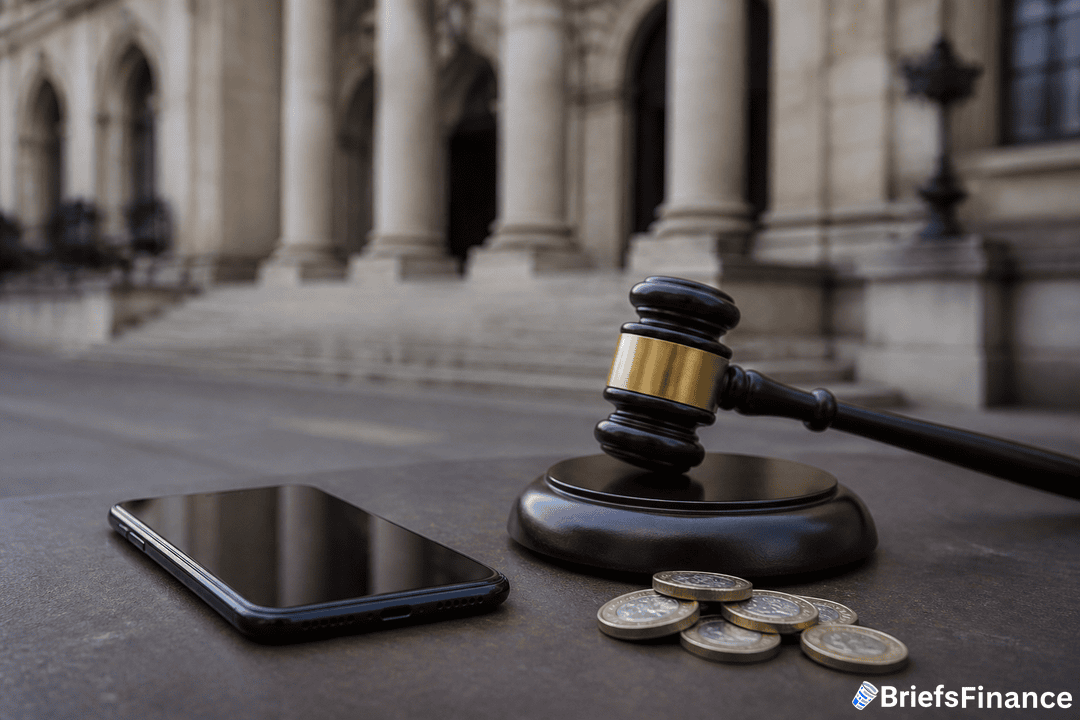
A consumer class action kicked off Tuesday at the Competition Appeal Tribunal in London, alleging Google overcharged Android app developers for more than a decade and that the costs landed on about 20 million UK customers. The claim challenges Google's usual 30% fee on digital transactions as anti-competitive and says those hit since 2015 could receive up to £1.2 billion ($1.6 billion) in compensation. As the lawyers put it in court papers, "Free of competitive shackles, Google has exploited its market strength to extract unfair prices to the detriment of users and generated extraordinary returns for almost two decades."
How Google is pushing back
Google has consistently denied that it engaged in anti-competitive conduct and has asked the tribunal to dismiss the case. In filings for the trial, the company argued that dominance requires market power and stated, "Google is not dominant in the market for the facilitation of digital content transactions between developers and consumers." Ahead of the London proceedings, Google added, "Android gives people more choice than any other mobile platform in deciding which apps and app stores they use, with Play offering some of the lowest fees in the market."
Platform fee cases decide what developers pay and what apps end up costing you. Market Briefs covers tech antitrust free every morning.
The wider crackdown on app stores
Regulators have been circling the app-store model for years. Apple's platform remains under European Union scrutiny and is fighting a U.S. lawsuit from Epic Games. In the UK, the Competition and Markets Authority concluded Apple and Google effectively hold a duopoly in mobile platforms and has set guardrails on how powerful tech firms operate.
In 2024, Apple was hit by an EU penalty of €1.8 billion ($2 billion) tied to claims it suppressed rivals, and later faced an additional €500 million sanction under the Digital Markets Act. This year, regulators imposed a €430 million fine on Google's Play Store for limiting developers' ability to communicate openly and direct users toward lower-cost payment options.
Why it matters for your wallet
If courts keep chipping away at app-store tolls, you could see it in subscription prices, in-app buys, or the quality of apps that get more room to invest. On the other hand, big platforms often tweak other levers. Either way, how apps get paid for is being rewired in real time, and that shows up where you live most of your digital life: on your phone.
Billions in claimed damages reshape how app stores operate. Get the free Market Briefs daily newsletter and follow the case.