What negotiators say is taking shape
Ohio Republican Senator Bernie Moreno, who is leading the push, said Friday that "all the big issues are resolved" and that the group has landed on language for battery technology. He also said carve-outs are being structured so the measure does not entangle Mercedes-Benz Group AG. In his words, "The Mercedes issue is not even on the table anymore," adding the bill targets "Chinese predatory vehicles that affect national security, economic security. Mercedes doesn't affect either one of those."
Why Mercedes-Benz became a flashpoint
An earlier approach would have blocked sales of connected vehicles made by any automaker with more than 15% ownership by Chinese entities. That would have put Mercedes-Benz in the crosshairs, since nearly 10% of the German carmaker is held by China's state-owned BAIC Motor Corp., while Li Shu Fu - Geely's billionaire founder - controls nearly another 10%. Together, that would have cleared the prior 15% line, which negotiators are now moving away from.
How a ban would change the status quo
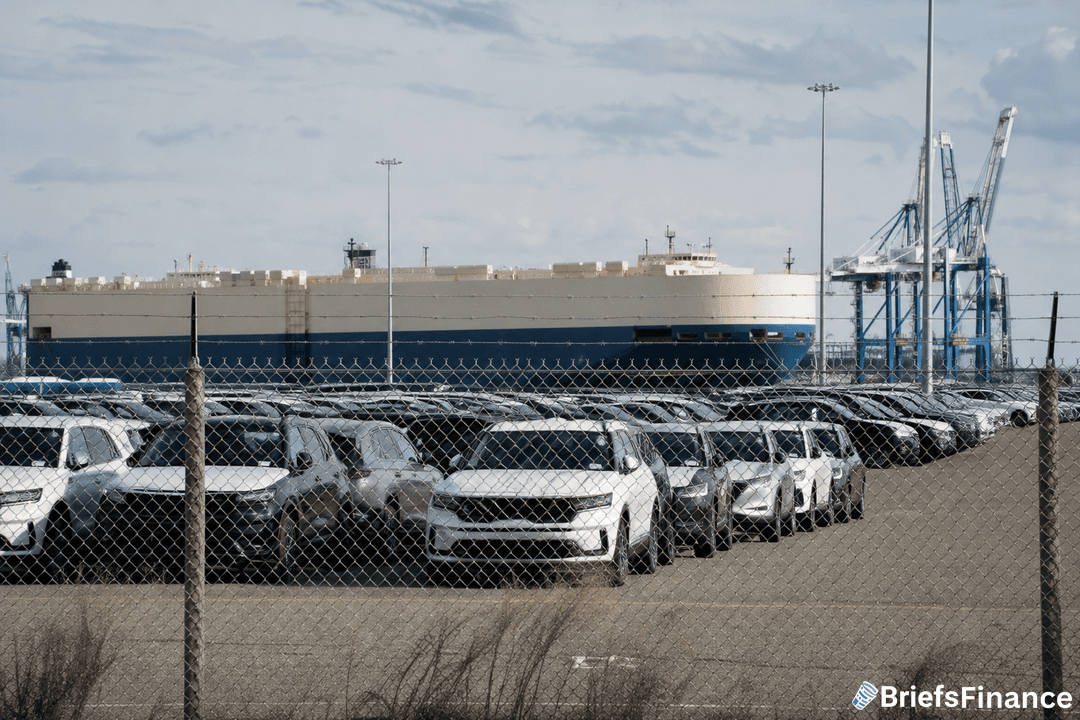
Chinese automakers such as BYD have expanded quickly with tech-heavy electric vehicles priced aggressively against Western rivals. Existing tariffs and technology restrictions largely keep Chinese-made vehicles out of the US market today, and codifying a prohibition would push the restrictions even further. US carmakers have pressed Congress for a permanent block, arguing that subsidized Chinese vehicles equipped with software and hardware capable of transmitting data on American drivers and infrastructure pose economic and national security risks.
When policy and industry talks affect the auto sector, stay informed with the free Market Briefs newsletter every morning.
What comes next and why it matters for your portfolio
Moreno said negotiators are ironing out final technical items so the same text can clear both the House and Senate, either as a standalone or folded into the annual defense policy bill. "We're down to the final technical details, and hopefully we'll get it across the finish line when we get back," he said. If enacted, it would lock out Chinese carmakers from the world's second-largest auto market.
Big regulatory shifts can reshape investment outlooks, so sign up for the free Market Briefs newsletter for concise daily context.