What the advisory says
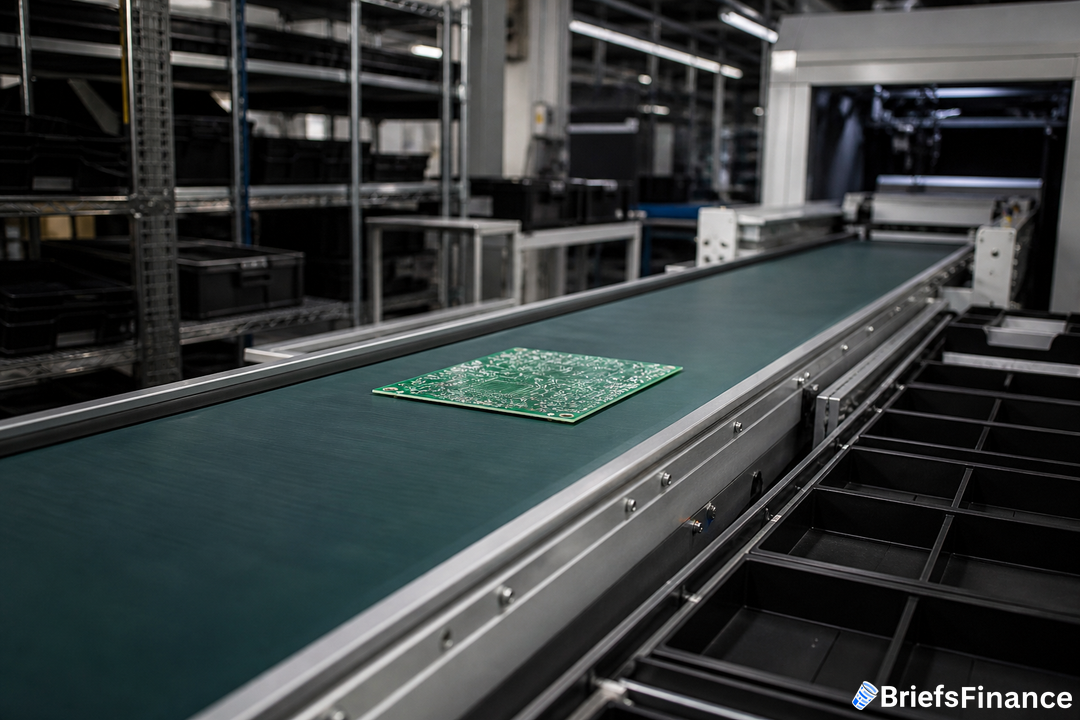
The Global Electronics Association laid out a straightforward diagnosis: PCBs - the boards that host and connect chips and components - are tough to get, and the squeeze runs from raw materials to finished boards. As the advisory put it, "Demand for printed circuit boards (PCBs) is outrunning supply at every stage of the chain, from glass fabric and resin to finished boards." It added, "Fabrication capacity is growing, particularly in Asia, but the limits that matter are upstream: glass, resin, foil and equipment."
The group expects the bottleneck to last. "Meaningful relief is unlikely before mid-2028," it said, and supply "will stay constrained through at least the first half of 2027."
Who is feeling it and why it is tight
Manufacturers in industries including automotive, medical, defense and aerospace are either already delayed or preparing for holdups that could run for weeks or months. The strain is not just at assembly - it starts with inputs like glass fabric, resin, foil and key equipment.
Production geography heightens the risk. Most PCBs are made in Asia, while the US accounts for about 3% and Europe roughly 1 to 2%, a setup that leaves both regions highly sensitive to supply shifts.
When supply chains feel complex, stay informed with the free Market Briefs to get clear, concise market context each day.
Perspective from industry
Chris Mitchell, the association's chief advocacy officer, said PCBs have grown more complicated as technology has advanced. He noted that the US chose decades ago to lean on offshore PCB production. "We're now seeing the cost of that decision," he said.
Mitchell argued that governments should treat circuit board manufacturing as strategically as they do microchips. "Electronics manufacturing is strategically important to every country, every company," he said. "Countries that do not have electronics strategies, it ignores the centrality of electronics."
What to watch for your portfolio
The advisory's playbook is specific. Buyers should plan ahead for tight supply, and PCB makers should line up substitute materials where possible. It also urges governments to partner with industry to broaden semiconductor incentives to cover PCB fabrication, accelerate permits, and fund R&D on new alternative materials.
Good decisions start with a clear view of risks and trends, so sign up for the free Market Briefs newsletter.