What changed in the draft
Negotiators on Thursday issued a slimmer, nine page draft that eases earlier language targeting oil and gas. Wording that had urged faster fossil fuel phase out and an immediate energy system shift is gone, and explicit calls to cut methane from energy producers were removed. In their place, the text welcomes a push, backed by industry, to speed up carbon capture deployment.
Talks resumed Thursday with ministers and blocs preparing to work late, and discussions are likely to spill past Friday's planned end. "We have an obligation to make COP31 a success," said Murat Kurum, who serves as Turkey's minister for environment, urbanization and climate change and also presides over the summit. "We will not leave the negotiating table until the solution has been reached."
Electrification takes center stage
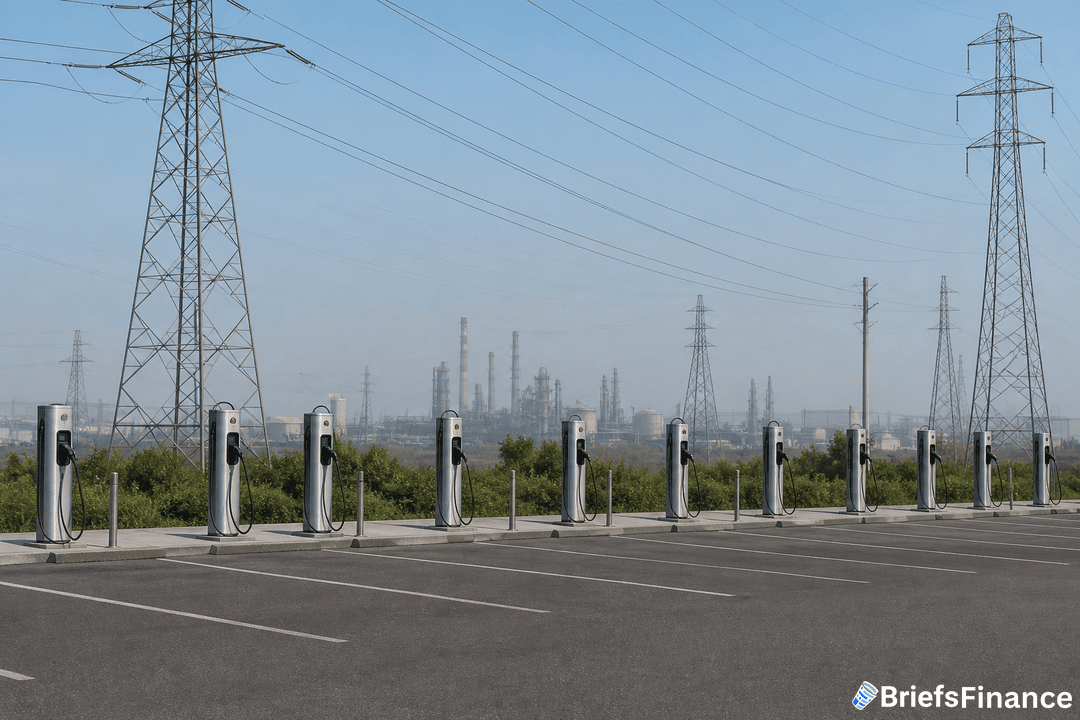
The draft says countries recognize that electrification can lower emissions and strengthen energy security, setting up a bigger pivot for transport and energy intensive heavy manufacturing away from high emitting fuels. Summit organizers are also building support for a voluntary goal to raise the portion of global final energy that is electricity to 35 percent by 2035, up from just over one fifth today. They want that figure included in the concluding COP31 declaration.
Some developing nations, including India, object to locking in top down targets. To bridge that gap, the latest wording couples the electrification aim with references to earlier promises to expand renewables and improve efficiency. Critics say Ankara and Canberra are leaning too hard on the headline electrification number instead of cracking financing and decarbonization. Speaking for the Centre for Science and Environment India, program manager Avantika Goswami said, "The attempt to prove that a flashy headline target signals success for this COP has gone wrong in many ways."
Money, trade and scientific timing
On adaptation finance, the draft still mentions a plan to triple flows by 2035, but drops a prior idea to deliver at least 120 billion dollars a year. The UN Environment Programme estimates developing countries will require around 305 billion dollars annually for adaptation by 2035. Details could slide to next year's COP32 in Addis Ababa, with a potential roadmap to find larger and more predictable funding sources.
Trade remains thorny. An earlier proposal to phase out unilateral measures - such as schemes that charge cheaper imports made under weaker environmental rules - has been removed. China, the largest exporter of green tech, has pressed for open trade in those goods.
Staying informed about shifts in energy and policy helps you make smarter decisions, so sign up for the free Market Briefs newsletter
And negotiators are still split on when the next Intergovernmental Panel on Climate Change reports should land. Some want them in time to inform the global stocktake of Paris progress, while Kenya, India and others warn a rushed schedule is skewed toward wealthy nations. The new text points to a softer, less explicit timetable.
Why it matters for investors
The retreat on fossil fuel language surfaced hours after leaders of the US, China and Russia agreed to expand supplies of refined petroleum products amid wars that strain oil and gas flows. Australia's climate change and energy minister, Chris Bowen, who is the acting lead for the talks, said the latest draft aims for the strongest wording possible in a consensus only process, and should send "a message as strongly as it needs to be to the boardrooms and living rooms of the world."
The bottom line: watch electrification plays and carbon capture enablers, while keeping an eye on unresolved items. Adaptation funding levels, trade rules for green goods, and IPCC timing still hang over policy risk for renewables, grid and equipment demand, and climate finance exposure.
When global energy debates affect long term planning, get concise context every morning with our free Market Briefs