What the amendment would do
Under the proposal, data centers chiefly engaged in providing consumer broadband or TV connectivity and other telecom or communications services would be spared the new obligation to finance grid upgrades. Lawmakers could vote on the change as soon as today.
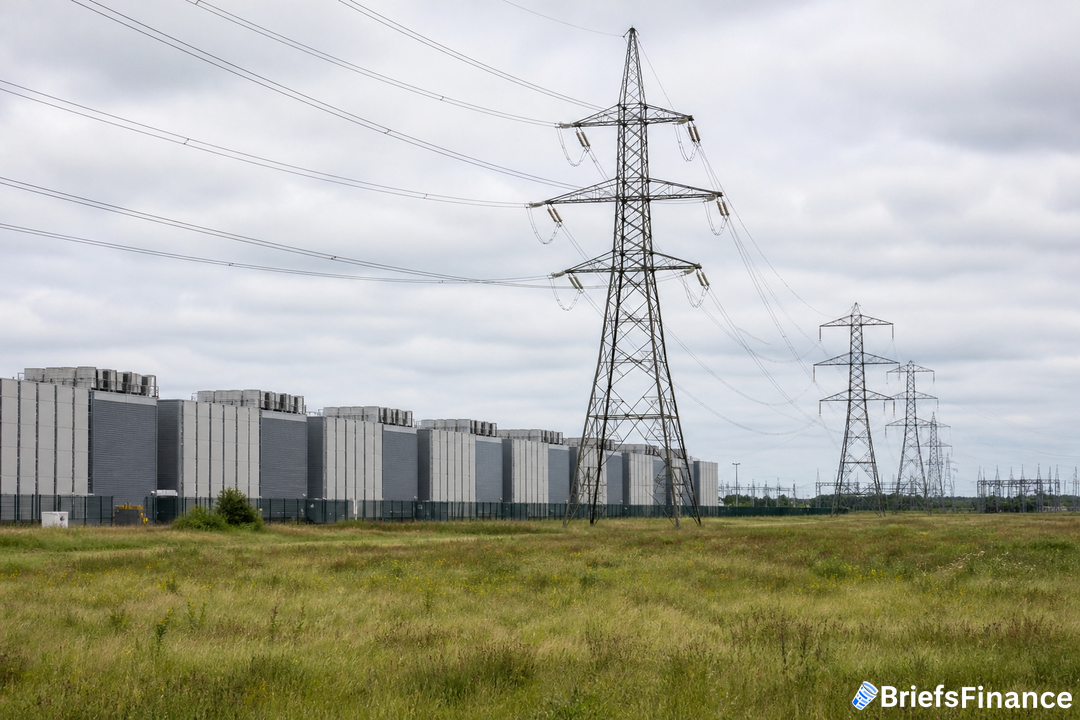
The broader bill would otherwise make data center developers fund high-voltage transmission lines and other grid upgrades. One analysis from Grid Strategies pegs those obligations at up to 6 billion dollars a year for developers.
Who wrote it and what backers say
Democrats Sheldon Whitehouse and Martin Heinrich wrote the legislation with Republicans Shelley Moore Capito and Mike Lee, working in consultation with White House officials. Meaghan McCabe, spokesperson for Senator Whitehouse, said the language "clarifies that home internet providers are not subject to the heavy new costs that the legislation will impose on data centers." She declined to specify which companies could benefit from the carve-out.
Who objects and why
A surge in data center construction has already drawn pushback from communities worried about higher power prices, heavy water use, and strain on electric systems.
Brett Hartl, government affairs director at the Center for Biological Diversity, said, "It does seem like it is an invitation from big tech to abuse the process going forward," calling it "a loophole you can drive a data center through."
When infrastructure and policy decisions touch everyday life, sign up for the free Market Briefs for clear daily market context
Even before the proposed exclusion surfaced, progressive Democrats opposed the bill, arguing the faster permitting for pipelines and power lines could also speed data center projects. "Here we come, right after the election, and we're going to pass a bill to make it easier for data centers," said Senator Jeff Merkley late Tuesday.
What it means for your portfolio
If the exemption passes, data centers focused on communications could avoid charges others would face for grid upgrades, changing who pays for new transmission and related infrastructure. The bottom line: watch where these costs land, because shifting them can affect utility rates, public budgets, and the economics of building and operating data centers.
Staying on top of complex regulatory debates helps you make better choices, so join our free Market Briefs newsletter for concise updates