The numbers and where the hit landed
Chile's economy shrank 1.8% from the prior quarter in July to September, the sharpest quarterly setback since 2020 and a bigger drop than forecasters expected. Compared with a year earlier, GDP was down 1.1%, the central bank said Wednesday.
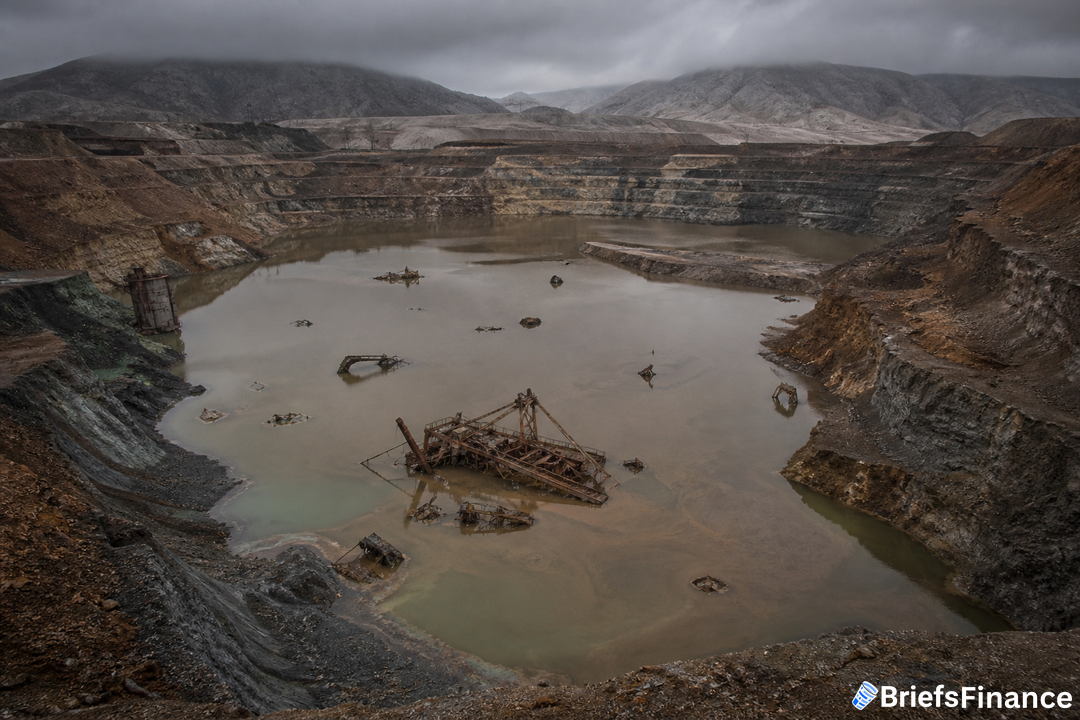
Officials also revised the recent past: Q2 growth was nudged up to 0.1% quarter over quarter from a previously slightly negative figure that had rounded to 0.0%. The bulk of the Q3 pain was in mining, which fell 12.9% from the second quarter, while non-mining activity slipped 0.2%.
What is dragging growth
Finance Minister Jorge Quiroz said last week that Chile has entered a technical recession, citing weaker copper production. Private economists also pointed to additional obstacles: unemployment at its highest in more than five years, harsh weather, and sentiment weakened by rising fuel costs.
The storms had real effects. In Q3, extreme weather temporarily closed schools, disrupted some mines, and blocked key transport routes. As the world's top copper supplier, Chile also saw red metal output sink to a more than two-decade low.
When economies show change, a clear daily summary can help you stay grounded; sign up for the free Market Briefs
The outlook and policy mix
"Significant disruptions from floods drove a contraction in Chile's economy in the third quarter. Monthly data suggest the drag is already fading, but a slower recovery in mining is weighing on overall growth. We expect a moderate rebound in 4Q and into 2027, with El Niño a risk," wrote Felipe Hernandez of Bloomberg Economics.
In March, President José Antonio Kast took office with a vow to rekindle growth, aiming to ease constraints on private investment and boost job creation. Earlier this year, Congress approved a wide-ranging bill to lower corporate taxes and streamline paperwork, and lawmakers are likely to line up behind a capital-markets overhaul in the months ahead.
What this means for your portfolio
Inflation is running at 4.5%, above the 3% goal, and minutes from the October meeting show central bankers considered raising the benchmark rate. To cushion the fuel shock, Congress this week approved a plan to cap fuel prices until next April.
Quiroz said growth should top 3% next year and may reach 4% in 2028 as pro-investment policies take hold. Still, as Andrés Abadía of Pantheon Macroeconomics noted, "Much of next year's improvement will reflect favorable base effects rather than a meaningful acceleration in underlying activity," adding that mining is likely to bounce back once the short-lived disruptions pass, though the rebound will be capped by declining ore quality and muted investment. The bottom line: policy tailwinds are building, but mining constraints mean Chile looks more like a stock-pickers market than a tide that lifts all boats.
Across sectors and regions, a quick reliable note makes following developments easier, so subscribe to Market Briefs newsletter