What the deal would do
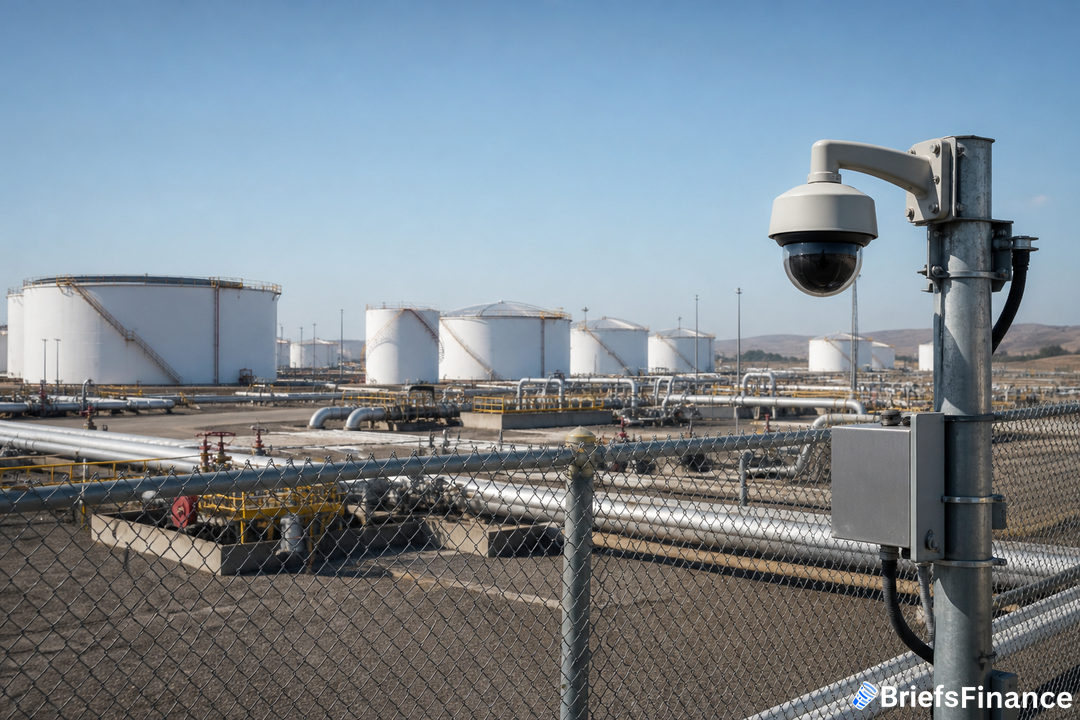
In August, the administration unveiled an agreement with Alejandro Betancourt's North American Blue Energy Partners, known as NABEP. The package would give NABEP a 100-year concession spanning 17 oil fields, while the U.S. would hold 35% of the company.
Officials say the move would put the U.S. in charge of about 65 billion barrels from Venezuela's proven reserves and create the world's No. 2 private oil company by reserves, positioning U.S. supply for decades. They also say NABEP intends to invest up to $100 billion in new infrastructure and lift production from assets in the Lake Maracaibo area and the Orinoco Belt.
The administration says the U.S. would be entitled to purchase 20% of production from those fields at cost, a structure they argue could lower pump prices and provide a channel to top up the nation's strategic oil stockpile.
Why Democrats are probing
Democrats say they want the full picture. "We want to go in there and find out exactly what happened," said California Representative Robert Garcia, who is expected to take the gavel at the House Oversight Committee next year.
"Is there corruption or abuse? Are oil companies getting certain favors? Or are they getting certain assurances from the administration? And then we want to be able to pass legislation to stop that abuse in the future."
After a run of midterm wins, Democrats in both chambers will be able to compel officials to testify, obtain documents, and issue subpoenas if necessary. Their focus spans the fine print of the agreement, what the U.S. provided in return for its equity position, and how proceeds from production will be monitored.
Transparency is a sticking point. Democrats fault the administration for not releasing the text of the deal. They also point to Betancourt's history of money-laundering and corruption investigations in the U.S., Spain, and Switzerland. He has not been charged and says he did nothing wrong.
Smart investors welcome new tools that can sharpen judgement and uncover opportunities. We're hosting our first ever investor livestream on 11/17 to show you how to use ChatGPT and Claude to invest like a pro, hosted by Briefs Finance CEO Jaspreet Singh. Save your seat.
On Nov. 12, the State Department released a report on the U.S.-controlled revenue account that concluded $12.1 billion was sent to Venezuela between January and September.
Who is lining up to investigate
Multiple committees are circling. The Senate Armed Services Committee plans inquiries, said its top Democrat, Rhode Island Senator Jack Reed, who has already questioned using force to oust Nicolás Maduro. "If we went in there with Maduro as an excuse, but the real goal is to take oil, that is to me wrong," Reed said, adding concern about "elaborate structures" to exploit oil. "We want to find out what happened."
Richard Blumenthal of Connecticut, who once served as a prosecutor, is poised to take the helm of the Permanent Subcommittee on Investigations and says he will scrutinize the agreement. "I'm concerned about the potential for corruption," he said.
According to a spokesperson, New Mexico Senator Martin Heinrich - expected to head the Senate's energy panel next year - will keep watch over the administration's Venezuela plan, citing concerns about taxpayer exposure, legal authority, and consumer benefits in the U.S. House Democrats on the Natural Resources Committee say they will continue coordinating on an inquiry that began earlier this year. The Senate Foreign Relations Committee is also expected to dig in and has already asked if the Defense Department's Office of Strategic Capital could be employed to acquire an ownership interest in an oil company.
How the White House and NABEP defend it
"This deal is a major win for both the United States and Venezuela," said White House spokesperson Taylor Rogers. "If Democrats choose to pursue sham investigations over commonsense victories, they are choosing to work against the American people."
A NABEP spokesperson said that oil fields previously run by Chinese and Russian firms now carry Washington's support, arguing this would enhance the Western Hemisphere's energy security. The spokesperson added, "The U.S. government's stake in NABEP came at no cost to American taxpayers, and NABEP has received no U.S. government funding," and said, "The agreement gives the U.S. government oversight at the board level, where a majority of directors must be U.S. citizens, and holds NABEP to U.S. standards of accountability through U.S. lawyers, auditors, and courts."
What this could mean for investors
If these committees force disclosures, investors will get sharper visibility into three things that matter for valuation and policy risk: the exact deal terms, what the U.S. provided to obtain its 35% stake, and how revenue is managed. The administration's claims are sweeping - control over 65 billion barrels, rights to buy 20% of output at cost, and an investment plan up to $100 billion tied to the Lake Maracaibo and Orinoco Belt assets. The bottom line: watch whether oversight uncovers constraints that affect timing, volumes, or those promised benefits for gasoline prices and the strategic reserve.
Staying curious about technology gives investors a subtle advantage over the long term. On 11/17, our CEO Jaspreet Singh goes live for our first ever investor livestream on how to use ChatGPT and Claude to invest like a pro. Register to join him.