What the numbers say
Manufacturing output rose 0.3% in October, beating expectations and extending September's increase, Federal Reserve data showed Tuesday. Versus a year ago, factories were up 2.2%, the fastest pace since March 2022.
That momentum did not carry to the broader industrial figure. Total industrial production fell 0.4%, with utilities down 4.3% following a comparable rise in September, and mining posting its sharpest drop since March because Hurricane Isaias disrupted offshore oil extraction. Factory capacity use ticked up to 76%, while overall industrial utilization slipped.
What drove the change
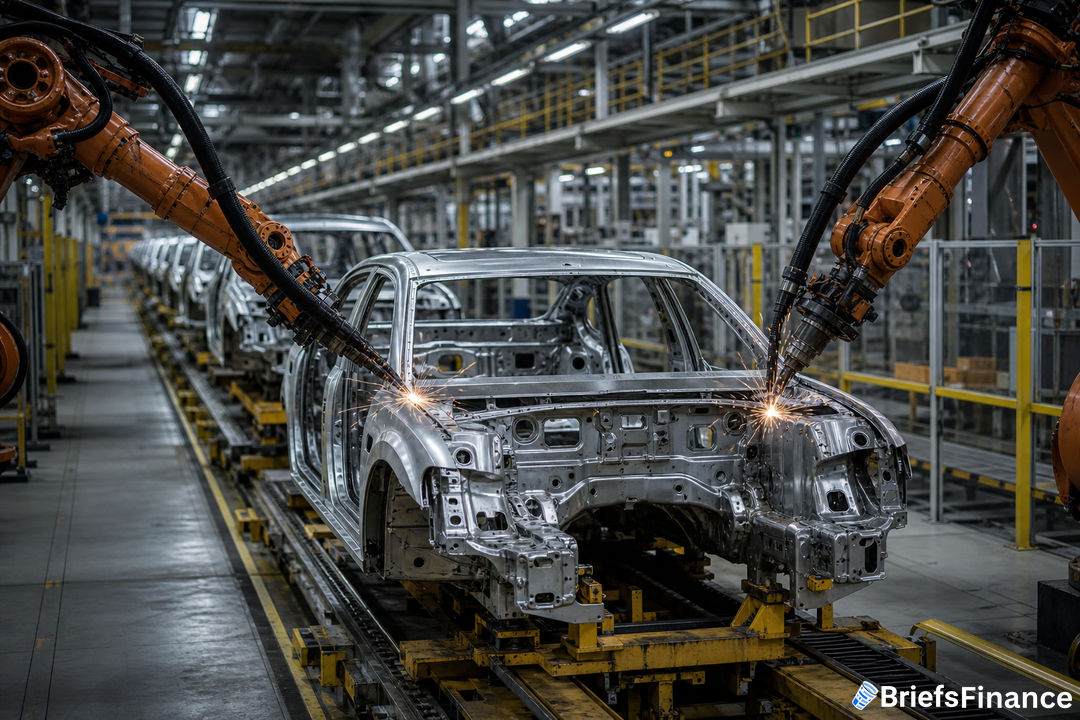
Autos did much of the lifting. Motor vehicle and parts output jumped 4.4% in October, and without that category, manufacturing dipped 0.1%. Business equipment production rose 1% - the biggest monthly increase since April - powered by gains in both information processing and transportation equipment. Defense and space equipment posted its strongest rise in three months, and computer and electronic products recorded their biggest monthly gain in three months.
Under the hood, producers are riding firm business investment tied to the artificial intelligence buildout and steady consumer demand, even as wars and tariffs add cost pressures and supply chain headaches. Purchasing manager surveys in October still showed expansion, though sentiment weakened under ongoing inflation pressures.
Understanding new tools can help investors find small advantages in ever changing markets. We're hosting our first ever investor livestream on 11/17 to show you how to use ChatGPT and Claude to invest like a pro, hosted by Briefs Finance CEO Jaspreet Singh. Save your seat.
Ariane Curtis of Capital Economics summed it up: "The rise in manufacturing output in October was flattered by a huge rebound in motor vehicle production, but still suggests the sector held up well at the start of the fourth quarter, in part thanks to another strong month for AI-related output."
Looking ahead
There are signs the pipeline is filling. The New York Fed's November reading on six month capital spending plans in that state rose to the highest level in nearly four years. Meanwhile, October retail sales cooled, with weakness in big-ticket categories such as cars obscuring steady demand for other merchandise.
The bottom line: autos and AI heavy capex are propping up factory floors, even as energy and utilities drag on headline industrial output. If that mix holds, suppliers to business equipment, chips and electronics, and transportation gear could see steadier orders, while energy exposed names feel more whiplash.
Keeping a thoughtful edge means learning how fresh tools fit long term investment habits. On 11/17, our CEO Jaspreet Singh goes live for our first ever investor livestream on how to use ChatGPT and Claude to invest like a pro. Register to join him.