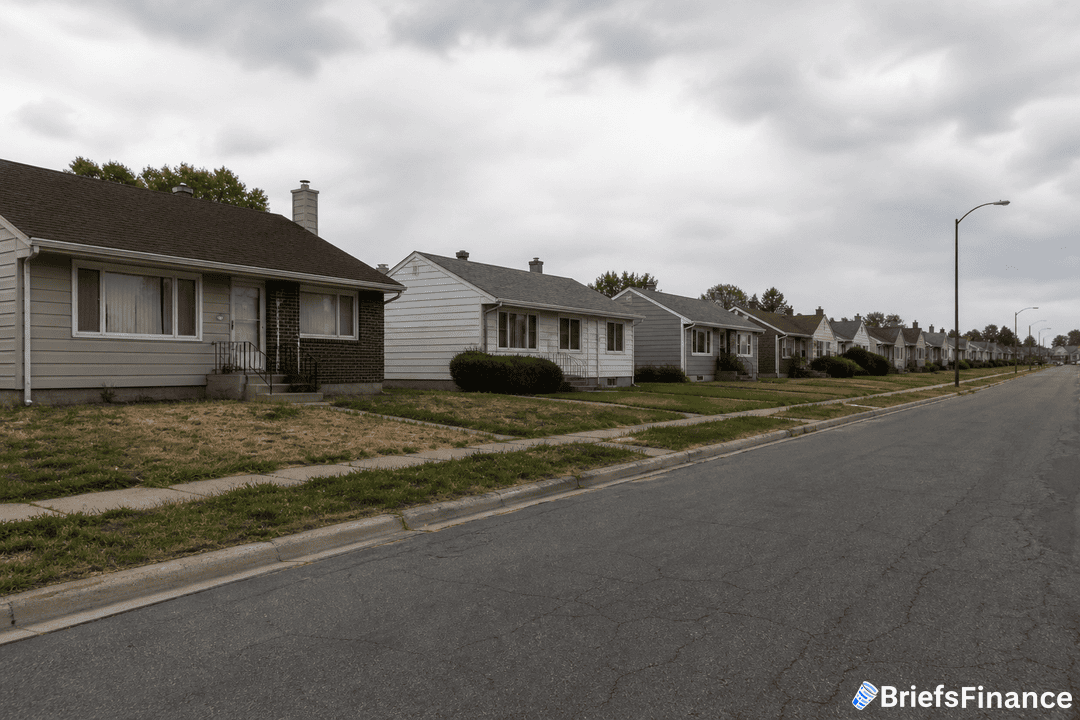
Pending sales hit a historic low
Contracts signed to buy existing homes dropped 4.7% in October from the prior month, the National Association of Realtors said, leaving the index down 16.7% from last October and at its weakest point in the measure's 25-year run. Economists had expected a milder pullback, even with mortgage costs easing a touch during the month before jumping again last week. Because pending sales track signed deals, they signal where closed sales are headed next.
"Two consecutive months of record-low pending contracts point to very sluggish fourth-quarter home sales closings, and annual existing-home sales could be the lowest since the mid-1990s," said Lawrence Yun, NAR's chief economist. Every region fell, with the steepest declines in the South, typically the busiest sales market, and the West, the priciest.
Rates, builders, and sentiment
After a modest dip over October, mortgage rates jumped markedly last week. Mortgage News Daily put the average 30-year fixed at 7.54% to begin October and 7.27% as the month closed.
The construction backdrop looks tougher too. "Builders are dealing with a litany of obstacles to selling homes, whether it's rising costs of land, labor, and materials, high financing costs, or weak buyer demand," according to Joel Berner, senior economist at Realtor.com. That aligns with November's homebuilder sentiment reading from the National Association of Home Builders, which fell to a 14 year low as firms pointed to higher mortgage rates, more expensive energy, materials and labor, and softer consumer confidence.
When keeping up with housing and broader markets feels overwhelming, sign up for the free Market Briefs newsletter for a clear daily summary
Starts up, permits sink to pandemic-era pace
October's construction data showed a split picture: single family housing starts increased 4% from September but were 3.2% below last year, according to the U.S. Census. Building permits, which foreshadow future activity, fell 8.7% from September and were 12.9% under October 2025, marking the slowest permit pace since May 2020.
Why it matters for your portfolio
Put together, shrinking contract activity, a brief rate dip followed by a jump, softer builder sentiment, and fewer permits point to weaker closings ahead and a thinner pipeline of new supply. That combination can pressure housing turnover and related sectors while keeping a floor under prices if inventory stays tight.
If you want concise context for economic and housing headlines, subscribe to free Market Briefs for five-minute clarity every morning