Two customers, opposite pulls
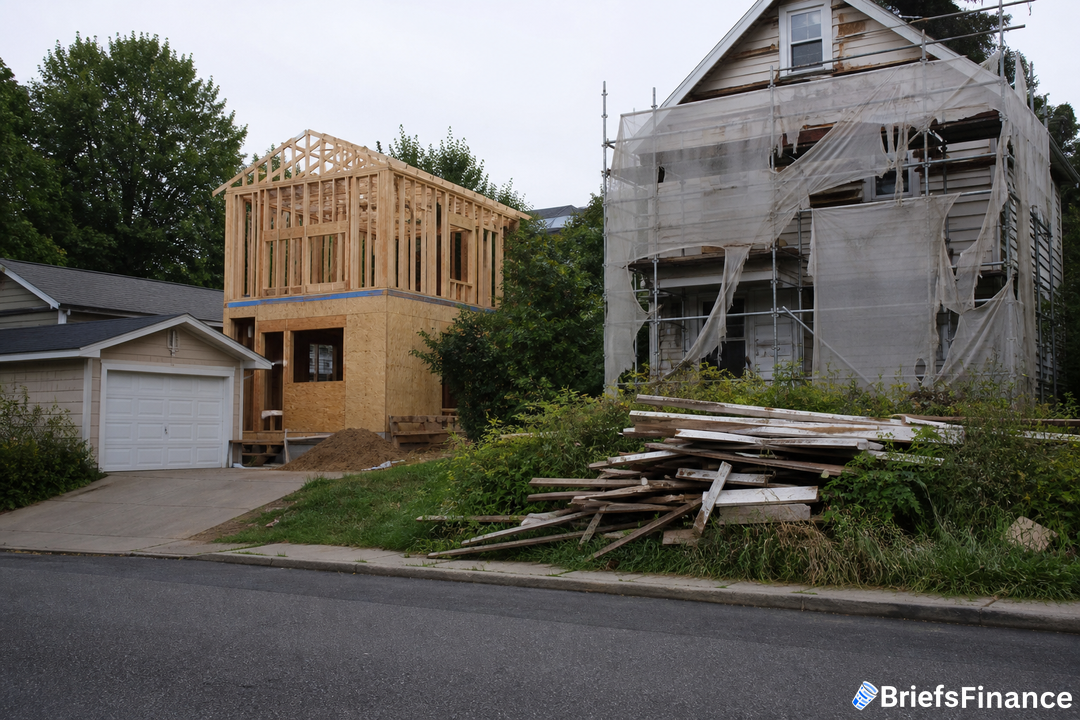
Remodelers typically see work from people fixing up after a move and from owners choosing to stay put. With borrowing costs elevated, home values steep, and consumer mood soft, moves have slowed, taking some project demand with them. Yet owners who are not selling still update kitchens, baths, and roofs, keeping another lane of work alive.
What the latest data says
The Remodeling Futures Program at Harvard's Joint Center for Housing Studies projects a muted path for remodeling. Its Leading Indicator of Remodeling Activity points to near-flat spending through late 2027, with growth pegged at 1.5% year over year by the third quarter. "Retail spending on building products has been flat to negative, and remodeling permits have stagnated, which points to continued sluggish renovation activity," said Rachel Bogardus Drew, who directs the Remodeling Futures Program at the Center. "We expect annual spending to hover around $525 billion through the third quarter of next year."
Government and industry reads on housing add to the caution. The Census Bureau reported September single family housing starts and permits both came in well under forecasts, and the National Association of Realtors said pending home sales, based on signed contracts, fell more than expected. "These ongoing headwinds could slow growth in remodeling spending even further in the quarters ahead," said Chris Herbert, the Center's managing director.
Savvy investors often look to new tools to find a modest edge. We're hosting our first ever investor livestream on 11/17 to show you how to use ChatGPT and Claude to invest like a pro, hosted by Briefs Finance CEO Jaspreet Singh. Save your seat.
Sentiment on Main Street remodelers
An October snapshot from the National Association of Home Builders showed a slightly better mood among remodelers, but not a call for strong gains in 2027. "Remodeler sentiment remained stable in the third quarter, although remodelers in certain parts of the country continue to report issues with high material costs and finding enough labor to finish projects on time," said Elliott Pike, who chairs the NAHB Remodelers Council and is a remodeler from Homewood, Alabama. "Remodelers also report that economic uncertainty is making some potential customers hesitant to move forward with projects."
The Houzz marketplace for homeowners and building/design professionals, which leverages AI, also pointed to brighter expectations - but with a divided outlook. "Construction pros are closing out 2026 with optimism, as expectations reach their highest level since early 2022 following a rebound from a long stretch of slow activity. Design firms are more measured, though cautiously optimistic," Marine Sargsyan, who leads economic research at Houzz, said. "Fuel costs remain a pressure point for most businesses, with some pros passing them on to clients through higher prices and surcharges and others absorbing them in their margins."
Why it matters for investors
In plain English: remodel demand looks steady, not surging. Housing turnover is weak, cost pressures remain, and confidence is uneven, which argues for selective exposure in building products, home improvement retailers, and pro-heavy suppliers that can pass through costs. Watch the same trio that drives this cycle - rates, permits, and contract signings - for the next turn.
Learning how to use smarter analysis can help investors make steadier decisions. On 11/17, our CEO Jaspreet Singh goes live for our first ever investor livestream on how to use ChatGPT and Claude to invest like a pro. Register to join him.