What Chiquita is saying now
"The industry is facing extreme weather conditions, facing geopolitical disruptions," said Carlos López Flores, who added, "The economics to produce tropical fruit is getting more expensive." He also said, "We are forecasting a very challenging end of 2026 and a very challenging start of next year for the industry," tying those pressures to El Niño and geopolitical shocks that complicate growing and sourcing in Latin America. Looking further out, he expects the industry to move fewer boxes in 2027 and probably at a higher cost.
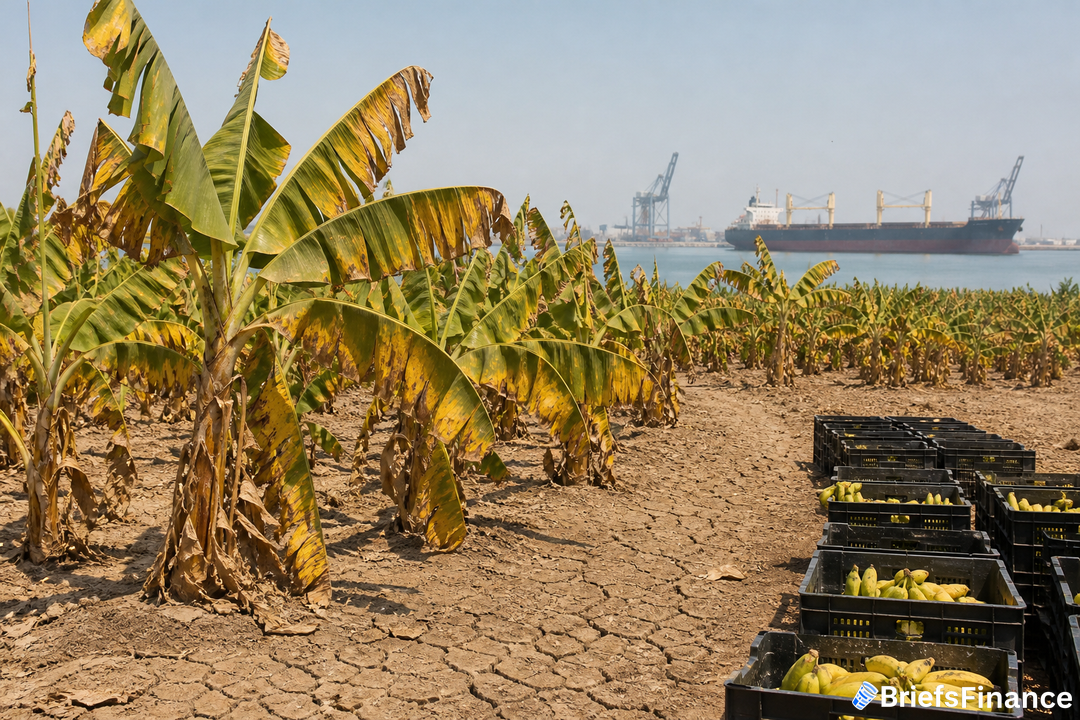
The strain is visible on the ground. "Everybody in that region who grows bananas will tell you today it is more difficult, more expensive and less predictable to grow bananas than it was a year ago," he said. "It will be more challenging."
Why costs are rising and supply could tighten
López Flores pointed to an intensifying El Niño alongside geopolitical disruptions. The weather pattern tends to drench Ecuador and Peru while drying out the Amazon basin and northeastern Brazil. In Ecuador - the top supplier - heavy showers can worsen plant disease, damage crops and cut off roads, while El Niño related drought can lower water levels in the Panama Canal, limiting a crucial shipping artery for nearby producers.
He said the conflict in the Middle East has already lifted prices for fuel, fertilizer and packaging, and those increases have been tough to pass through. The economics were thin even before this year: growers and traders chase year round supply, rush fruit to market before it ripens, and often sell for under a dollar a pound.
When global supply lines and weather affect everyday goods, stay informed with the free Market Briefs newsletter in minutes.
Contracts, retailers and the pricing gap
Chiquita is among the biggest banana marketers, with its brand lineage stretching back more than 80 years. The company runs its own farms and buys from outside growers, sourcing all fruit from Latin America. It is based in Switzerland and has been owned since 2015 by Brazil's Sucocitrico Cutrale Ltda and J. Safra Group. The firm traces its roots to United Fruit Company, which took on the Chiquita Brands International name in 1990 after decades selling bananas under the Chiquita label.
Most volumes are sold under long term agreements tied to future output at fixed prices, giving sellers limited room to recover sudden jumps in farm costs. López Flores said the company has started early talks with retailers on supply and pricing for next year. So far, the conversations emphasize "surety of supply," though Chiquita has also outlined the extra costs now moving through the banana chain. It remains uncertain how far retailers will go on pricing or how shoppers will respond to increases on an item known for being one of the cheapest in the store.
The investor angle
Per the OECD, banana exports were worth $12.8 billion in 2025, yet sticker prices have been a rare calm spot in the grocery aisle. In U.S. cities last month, bananas averaged about 66 cents a pound - under half the going price of oranges and grapefruit - and have climbed just 14% over ten years. If El Niño, shipping constraints and higher input costs persist, that steady run could break. For your portfolio, watch supermarket negotiations and any shift in long term contract terms - they are the levers that determine how quickly higher farm costs show up in retail prices.
Because small shifts can change household budgets, get our free Market Briefs each morning to understand the implications quickly.