From secretive contractor to streetwear brand
Palantir built its business selling data tools to governments and companies, and it is often associated with military and surveillance work as well as protests over U.S. defense and immigration contracts. It has also taken heat for how it handles data and for links to the Donald Trump administration.
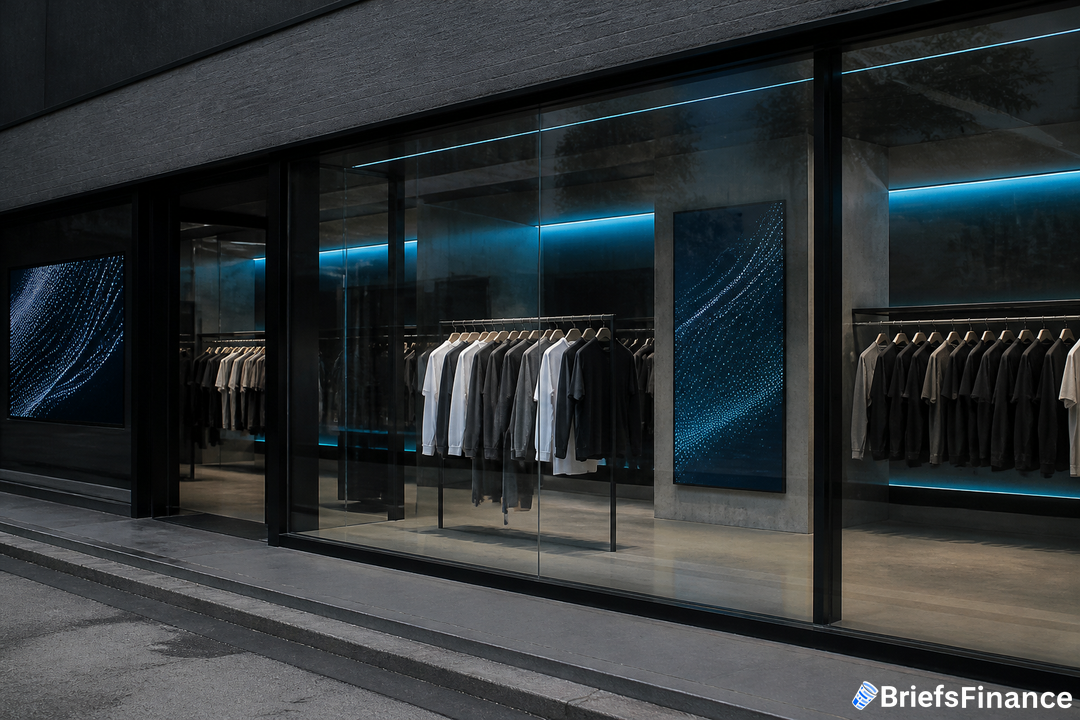
In Seoul, the company is leaning into apparel to reach fans who will never open its software. Offerings span sporty tennis attire through a French chore coat priced at $239, and the two-story pop-up last week showcased a Korea-only white nylon windbreaker that sold out within hours. The windbreaker is priced at $170. Thousands showed up to buy hoodies, tees and hats stamped with the Palantir logo.
"We take the merchandise very seriously," Eliano Younes, Palantir's head of engagement, said. "For a lot of these folks, the only time they'll ever really get to touch Palantir is through the merchandise." He also said the windbreaker would "look really nice on the golf course," noting golf's popularity in Korea influenced the design.
Why South Korea matters to Palantir
Palantir opened its South Korea office in 2022 and has been adding local partners. Last week, Posco Future M and the company finalized a deal aimed at speeding its AI-driven transformation. It also unveiled a tie-up with KT, the telecommunications giant, in March 2025, along with another pact with defense firm LIG Nex1 in March.
The merch push ties into that momentum. Younes said South Korea has at times been Palantir's second-largest market for online merchandise after the U.S., and sales from last week's event rose 30% compared with 2025. CEO Alex Karp last year called South Korea the "second most interesting market" after the U.S.
When companies blur industry lines, staying informed makes sense, so sign up for the free Market Briefs today
Observers point to South Korea's industrial base as a big draw. The country hosts heavyweight semiconductor, shipbuilding, automotive and manufacturing firms that could benefit from Palantir's data and AI offerings. Meanwhile, the government is increasing backing for artificial intelligence, tripling this year's AI budget to 10.1 trillion won, about $7.6 billion, as it pursues sovereign AI.
Fans, critics and the fan economy
Palantir's first Seoul pop-up last year brought in more than 5,000 visitors over two days. This time, the company stocked more inventory, capped how many items each visitor could buy and required pre-registration, yet some items still went quickly.
Brand strategists say merch turns customers into walking billboards and builds shared identity as photos spread online. "The main consumers are likely to be individuals who find the potential of Palantir's technology to resonate, investors who have high hopes for the company's future and fans who have developed an affinity for the brand itself," said Kim Yong-seok, CEO of Talksulting.
The fandom is visible on the ground. On the scene, Dan Do - employed in the dental industry and a shareholder since the 2020 listing - initially invested for the company's "defend the West" narrative and government work, later becoming a fan of its Foundry commercial software. Because he posted often on X, he received early access to the Seoul event and flew in from Sydney to stock up on gear. "The company puts a lot of effort into building community," he said.
Yoon Young-bin of OAAH Agency said Korea's trend-driven consumer culture gives Palantir a chance to show up as a tech brand with a following, not just a defense contractor, as it expands globally.
What this means for your portfolio
Palantir is using merch as a gateway to the brand while it inks commercial and defense partnerships in South Korea. That includes recent deals with Posco Future M, KT and LIG Nex1, alongside a national push on AI spending. The bottom line: the company is blending fandom and enterprise sales in a country its CEO labeled the "second most interesting market."
Markets touch many parts of life, so get concise context every morning by subscribing to the Market Briefs newsletter