What happened
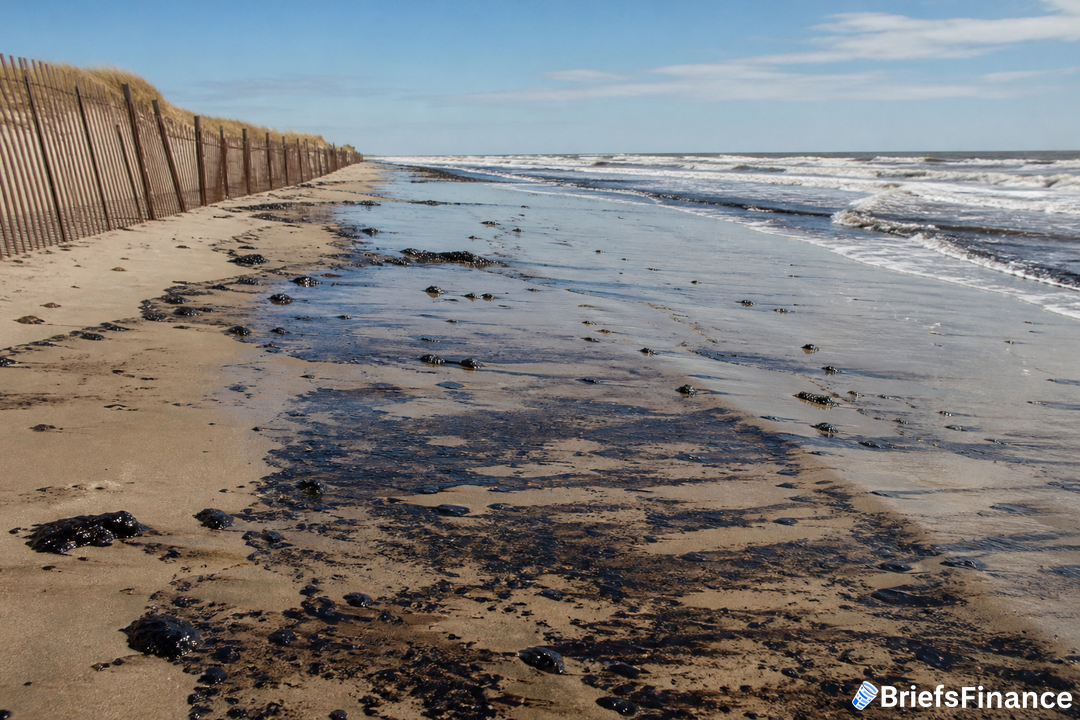
Officials tightened restrictions after the climate ministry said Friday it detected an oil spill off the coast of Umm Al Quwain, north of Dubai. Beaches and coastal zones there were closed on a temporary basis, and the ministry did not identify the tanker.
Sharjah ordered Al Hamriya Beach closed to keep pollution out and said specialized teams and relevant authorities were deployed to protect beaches and stop contaminants from reaching them. Ras Al Khaimah announced its beaches would remain closed until further notice and did not state a reason.
In a message on X, the ministry stated that smells noted in Umm Al Quwain, Sharjah and Ajman pose no health risk to residents.
When global events touch local communities, staying informed matters, so sign up for the free Market Briefs newsletter today
Regional context
In recent months, the region has seen multiple leak-and-spill incidents. In August, a tanker went aground off Oman's southeastern coast, creating a slick roughly six and a half times the size of Manhattan's land area. Soon after, Iran faced a crude discharge near Qeshm Island, adjacent to nesting grounds for endangered hawksbill sea turtles.
Conflict is adding to maritime risk. This month, a cargo ship sank in the Strait of Hormuz after a strike triggered a fire, the Maritime and Port Authority of Singapore reported. Freighters hit by projectiles can release ship fuel even when their main oil storage tanks are not breached, threatening marine life and coastal ecosystems.
What this means for your portfolio
In plain English: authorities are closing beaches and deploying response teams, and recent incidents show spill risk in the region is elevated. If you have exposure to Gulf shipping routes or energy logistics, factor in operational disruptions and environmental liabilities as officials assess and contain the situation.
For calm, clear context on economic and market developments, get Market Briefs delivered free each morning to your inbox