What NHTSA proposed
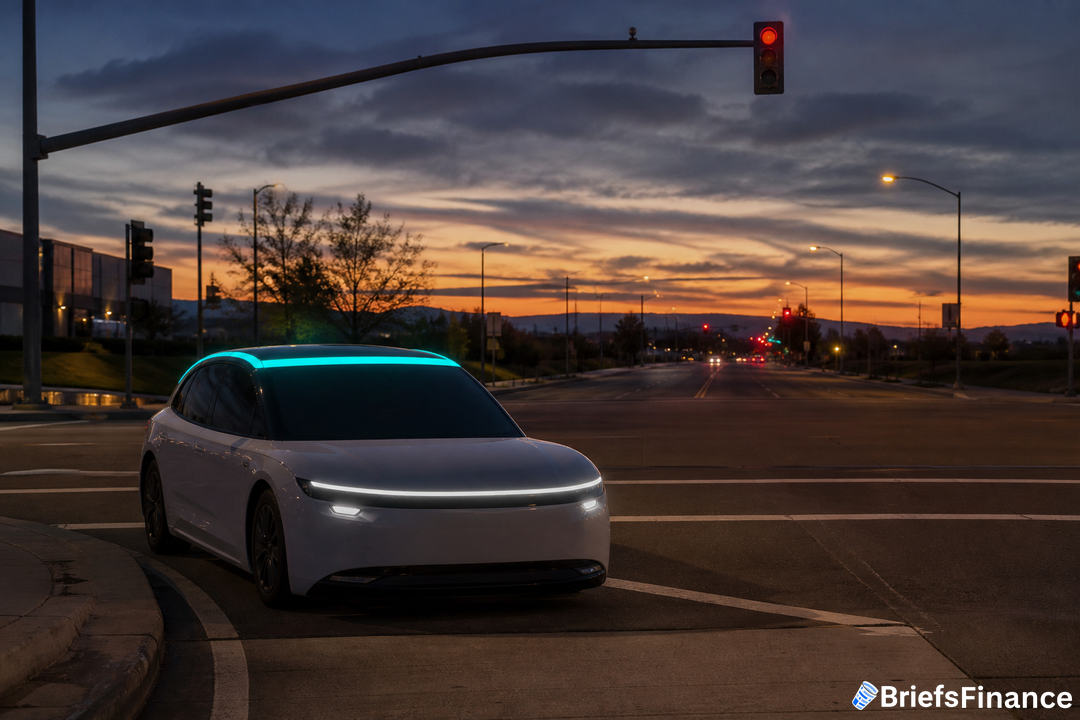
On Friday, the National Highway Traffic Safety Administration floated adding a new color to the long-standing trio of red brakes, amber turn signals, and white headlamps. The agency wants a cyan lamp classification for vehicles equipped with automated driving systems.
Under the plan, these cars could carry one or two cyan lamps placed at the front, along the sides, and at the rear, with the lights positioned at a minimum height of 15 inches above the road. The lamps would be optional rather than required.
Why the agency is pushing this
NHTSA says many U.S. safety rules predate self-driving tech, and a clear visual cue would let law enforcement and everyone else on the road quickly recognize an automated vehicle. Setting a uniform standard is meant to avoid a patchwork of solutions that might mislead or pull attention from other drivers.
This fits into a wider effort to clear unintended hurdles for autonomous vehicles. In June, the agency proposed allowing automakers to build vehicles intended to run solely under an automated driving system without including a brake pedal. If that change is adopted, it would remove a potential regulatory barrier for Tesla Inc.'s Cybercab robotaxi.
When policy changes touch industries, stay informed with the free Market Briefs newsletter that summarizes markets and the economy daily
What it means for investors
NHTSA is taking comments on the lighting proposal now, and it notes that turning proposals into final rules often takes months or longer. Translation for your portfolio: any design changes tied to this color code or other AV standards are on a measured timeline, but they signal continued regulatory work to make autonomous deployments more practical. The bottom line: consistent nationwide rules reduce compliance friction, which can matter for automakers, AV developers, and suppliers positioned to meet new specifications.
Even small regulatory shifts can ripple across sectors, so get free Market Briefs for a clear five-minute daily rundown of markets