The deal and the mechanics
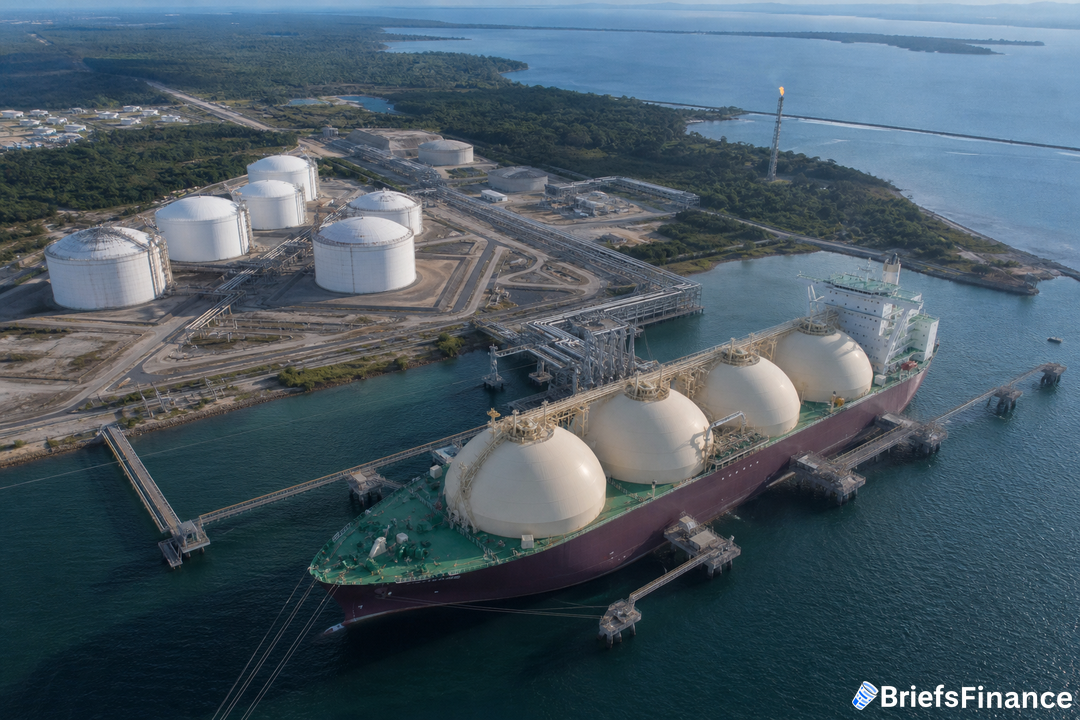
QatarEnergy signed a long term purchase agreement on Thursday to take 4 million metric tons of LNG annually from Cheniere Energy through 2054. The price will be indexed to the U.S. Henry Hub benchmark plus a fixed fee, and deliveries are slated to begin in the 2030s.
"We look forward to reliably supplying QatarEnergy from both Sabine Pass and Corpus Christi into the second half of this century," Cheniere CEO Jack Fusco said. On size, Rapidan Energy's Alex Munton called it "about as big as you see in the U.S" for a single deal, even though the volume is less than 1% of a global LNG trade topping 400 million metric tons.
Why the timing matters
Qatar was the second largest LNG exporter behind the U.S. before the war, but shipments have collapsed since Iran bombed the Ras Laffan facility in March. Two production lines were badly damaged, removing roughly 17% of Qatar's LNG capacity for exports. Energy Minister Saad Sherida Al-Kaabi has said repairs will take around three years, and the country has declared force majeure every month since the attack.
"It did give us a big blow, if you will, for our production capability for the next few years," Al-Kaabi said in September. He added that Qatar is exporting "very little" LNG because "we can't export through the Hormuz Strait," noting, "Very sparingly, some ships are crossing the straits but a very small amount, it's not something that would even be measurable in a percentage point."
What happens when Ras Laffan is fixed is still uncertain. Munton said the multidecade Cheniere contract signals Qatar perceives a threat that freedom of navigation in Hormuz "will never return" as Iran continues to attack tankers.
When long-term deals reshape energy flows, a quick daily read can keep you grounded, so sign up for the free Market Briefs
LNG is a seaborne product, he noted, adding, "It's liquefied so it can be put on a ship and that requires access to seaborne routes," and "They've got to access the Strait of Hormuz. There's no other way of getting LNG to market. They're just stuck." With production damaged and Hormuz blocked off, Munton said the Cheniere agreement is a vehicle for QatarEnergy to broaden its LNG trading operations.
Market reaction and wider moves
The Iran war is reshaping flows in a way that benefits U.S. suppliers, cementing American LNG's dominance. Since the war began, shares of Cheniere and Venture Global are up 26% and 40%, respectively. Reuters reported that QatarEnergy is in advanced talks with Venture Global to secure 3 million metric tons per year.
Financing is lining up, too. UBS analyst Manav Gupta said Chinese banks extended a loan of $3 billion earlier this month, which could help QatarEnergy secure additional U.S. LNG to meet delivery commitments. He also said the Cheniere contract challenges the bear case that Cheniere would struggle to add sales and expand capacity.
UBS's price target on Cheniere is $340, implying 18% upside from Thursday's close. Almost 90% of covering analysts assign a buy rating, and their mean target is $314, roughly 9% above Thursday's close.
Views on Venture Global skew positive as well. Close to 60% of analysts call it a buy while the remainder keep it at hold. The consensus price target sits at $17, implying about 35% upside from Thursday's finish. As Munton put it, "The U.S. once again is being called on by buyers to diversify supply," and "so much is under construction in the U.S. that you get to the point where now the U.S. is becoming disproportionately big in terms of global [LNG] market share."
What this could mean for your portfolio
In plain English: long dated contracts are moving toward U.S. LNG while Qatar contends with damaged capacity and a chokepoint at Hormuz. That tilt already shows up in U.S. exporter shares and in sell side targets, with more upside contingent on contract wins and financing. The bottom line: LNG exposure now rides on who can guarantee volumes and shipping lanes for decades.
Across global energy and finance news, stay informed without the noise by subscribing to Market Briefs free newsletter