Rates ease, but affordability is still tight
After nine straight weeks without a decline, mortgage costs finally dipped. Freddie Mac said the 30 year fixed average ticked down to 7.32% from 7.4% in its Thursday release. That level is still hovering near the highest since November 2023, and it compares with 6.19% a year ago.
Even after this week's dip, rates are up by 1.17 percentage points from the beginning of the year, marking the largest year-to-date increase since 2022. The run up over the past two months has squeezed buying power, keeping affordability under pressure.
Demand cools and price cuts spread
Mortgage rates above 7% have weighed on would be buyers. In September, pending sales of existing homes reached a record low, according to a National Association of Realtors index that dates to 2001. The index of contract signings dropped 7.3% in the month.
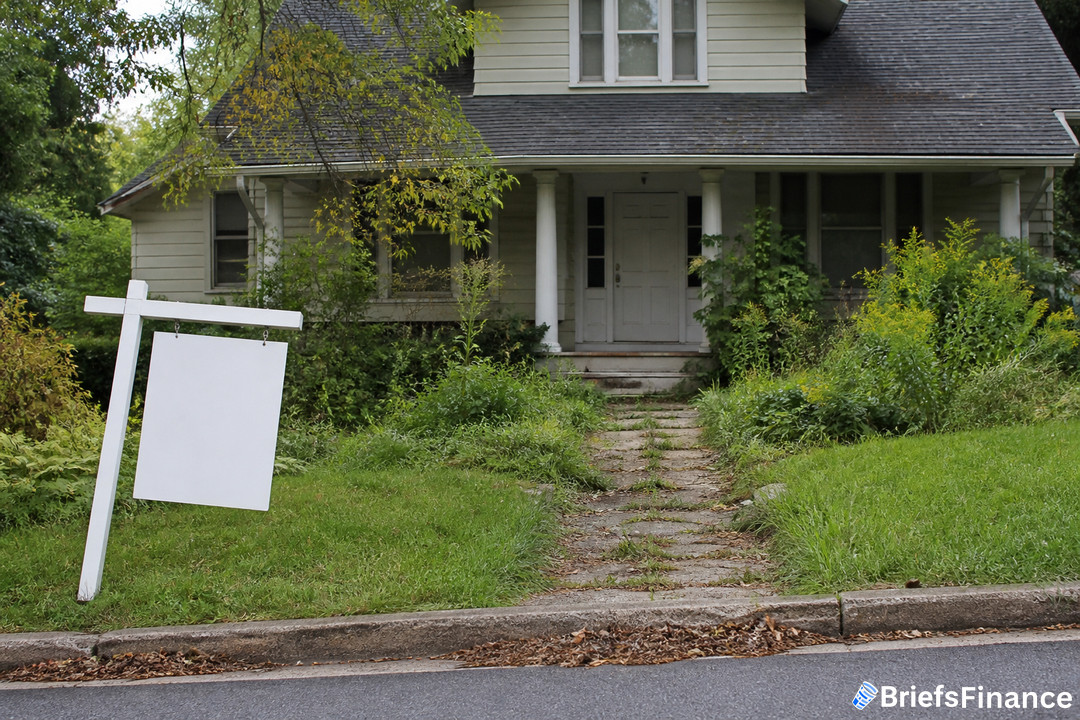
With fewer deals getting done, more sellers are trimming list prices, giving remaining buyers some negotiating room. "Buyers may be gaining power at the negotiating table as the pace of sales slows, but that leverage has come at the expense of affordability," said Realtor.com Senior Economist Jake Krimmel ahead of the release of the Freddie Mac report.
When housing and finance news affects daily decisions, stay on top with the free Market Briefs newsletter for five-minute clarity
What it means for your portfolio
Given current rates, a typical buyer would pay nearly 355 dollars extra per month toward principal and interest for a 500,000 dollar home - and roughly 710 dollars more for a 1 million dollar home - compared with locking a loan when rates slipped below 6% in early February. That math assumes a 20% down payment. The bottom line: financing costs remain the headwind for housing, even with a one week break in rates.
Markets and money touch everyday life, so get concise context in the free Market Briefs sent to your inbox each morning