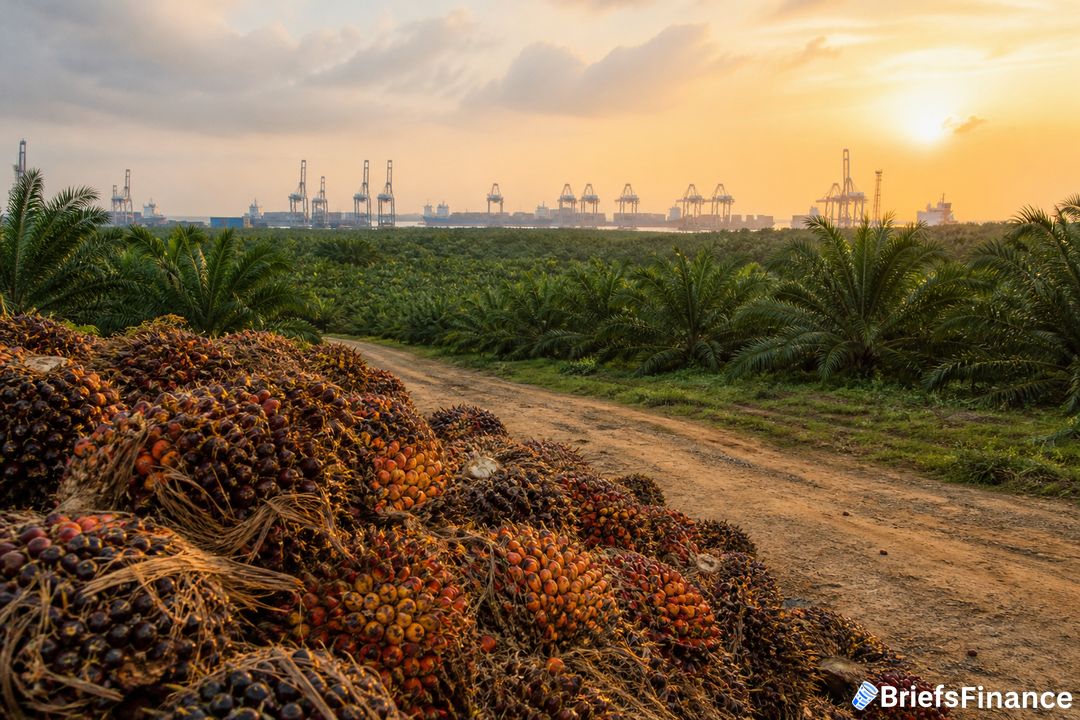
Why palm is suddenly the value play
The spread is doing the selling. According to Aashish Acharya, the vice president at Patanjali Foods Ltd., palm is about 300 dollars a ton below sunflower oil and roughly 100 dollars under soybean oil, among the widest discounts in years. His take: "Clearly for Indian buyers, palm is the most competitive oil."
Two forces are widening that gap. Attacks in the Black Sea have snarled sunflower oil flows from Ukraine and Russia, and robust output in Malaysia is keeping palm supplies ample. As Acharya put it, "Palm demand is picking up as its spreads to competing vegetable oils like soybean and sunflower oils have widened," despite ocean freight rising by about 15 to 20 dollars per ton over the past 10 days.
Demand pops ahead of Diwali
As the discount widened, Acharya said that over the past couple of weeks, daily purchases have been roughly in the 20,000 to 30,000 tons range for palm oil. Edible oil demand usually rises 10% to 15% before Diwali, and this time buyers are skewing toward palm. Stronger buying out of China, Europe and Africa is translating into a sharp rise in Malaysia's export volumes this month.
That surge could aid Malaysia, the world's No. 2 grower, in trimming record-high stockpiles. However, the boost to Kuala Lumpur futures may be smaller than normal. Heavy nearby supplies are keeping prompt prices under pressure, even as El Niño is expected to tighten availability next year.
Markets often change in subtle ways, so sign up for the free Market Briefs newsletter to get five minute updates
Prices and policy to watch
The futures market is reflecting that push and pull. January palm oil on the Bursa Malaysia Derivatives exchange held roughly steady on Thursday afternoon at around 4,770 ringgit a ton. Preston MacKenzie, a senior vegetable oils trader at Avere Commodities in Singapore, said strong Indian buying may offer little near-term support to Malaysian futures because physical cargoes are being offered well below the benchmark price.
Policy moves could extend palm's edge. Malaysia is considering a temporary waiver of its crude palm oil duty, and Indonesia's levy may decline in November if a lower monthly reference price reduces the duties exporters owe. MacKenzie added that in India, stocks of sunflower and soybean oils will probably start falling during the next six to eight weeks, which would free up storage for additional palm imports.
When global food and oil markets touch daily life, join our free Market Briefs for quick clear market context each morning