What Jackson put on the line - and said under oath
In trial testimony, the healthcare billionaire said his Jackson Investment Group extended a $20 million loan to the proposed refinery, done as roughly $10 million about three years earlier and another $10 million last year. He described the cost at 12% a year, or 1% a month, and said the payments have been coming in.
He further testified that at that time he held a 15% interest in the closely held company America First and anticipated that, if it went public at a $2 billion valuation, his share would be worth roughly $300 million. The comments surfaced in his United States Tax Court fight with the IRS over deductions tied to low-budget film projects.
Local documents outline more. Minutes from the Brownsville Navigation District in September 2025 state that Jackson's backing took the form of a credit line capped at $30 million. August notes show America First also secured a $60 million credit line with Standard Chartered Plc, the UK lender. A recent slide deck presented on the Texas coast did not mention Jackson's loan.
Spokespeople for Jackson's campaign and America First declined to comment. The White House did not respond. Standard Chartered did not immediately respond.
Politics moves in
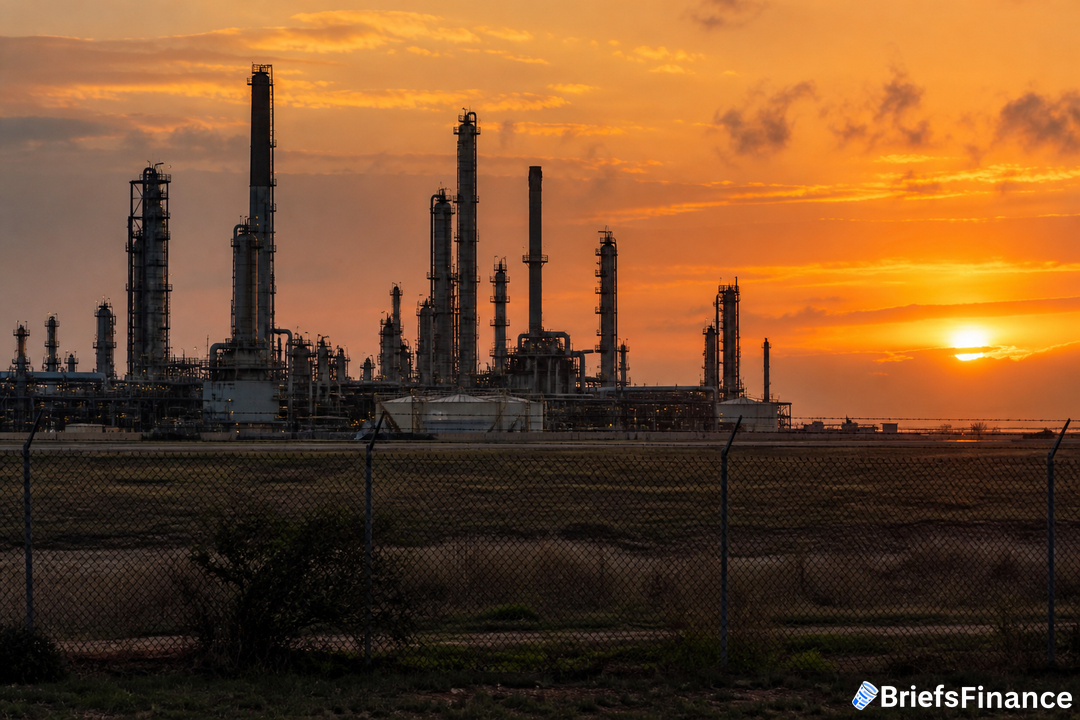
Trump has vigorously supported the Brownsville, Texas refinery, located approximately 25 miles (about 40 kilometers) away from Elon Musk's Starbase launch site. On the White House website, the development is listed as the biggest single investment in US manufacturing and industry, with a stated value of $300 billion. Donald Trump Jr. has publicly praised Jackson for helping finance the deal.
When politics and business intersect, it's helpful to get clear, concise context each day, so sign up for the free Market Briefs.
Bottoms - a former Atlanta mayor who later served in the Biden administration as a White House adviser - is airing ads attacking Jackson's role and his ties to Trump. A campaign spokesperson said the ads and a CSPAN clip refer to his America First investment. An Atlanta Journal Constitution poll shows the race effectively a dead heat, and on Wednesday the paper published initial details about Jackson's loan.
The project, the market, and the policy backdrop
America First plans to construct the first major new US refinery in about 50 years, designed to run solely on Texas crude and begin operations near the end of the decade. The company says production is not expected until 2029. Reliance Industries has a 20-year agreement to buy fuel from the plant, a point that Bottoms' ads highlighted even as she said at a Sept. 30 briefing, "He is sending diesel fuel to India as we speak," a claim at odds with the project's 2029 production timeline.
The administration has moved to boost domestic fuel production while wars in Iran and Ukraine drive prices up ahead of the midterm elections. Since the US-Iran war began in late February, retail diesel is up almost 70%, and late last month it exceeded the previous record, topping more than $6.50 per gallon.
Policy support is also in play. In a recent move, Vice President JD Vance said funding via the Defense Production Act is earmarked for a Delek US Holdings refinery in East Texas. America First has said it is interested in DPA assistance too. At a Texas coast conference last week, Chief Commercial Officer Tom Ramsey said Morgan Stanley is leading an equity and debt fundraise.
Why investors are watching
A private credit deal that pays 12% is now a ballot-box talking point, and the same project is listed by the White House as a $300 billion industrial push. Add in a Reliance offtake, a Standard Chartered line, and potential DPA backing, and you have a refinery financing stack that could keep evolving.
The near-term math is simple. Diesel is up almost 70% since late February, but America First does not plan to produce until 2029. The bottom line: watch for firmed-up financing, any formal DPA support, and construction milestones, because those will dictate when this project can affect fuel supply and energy-linked equities.
Because deals and disclosures can be complicated, let our free Market Briefs newsletter explain the key developments in minutes.