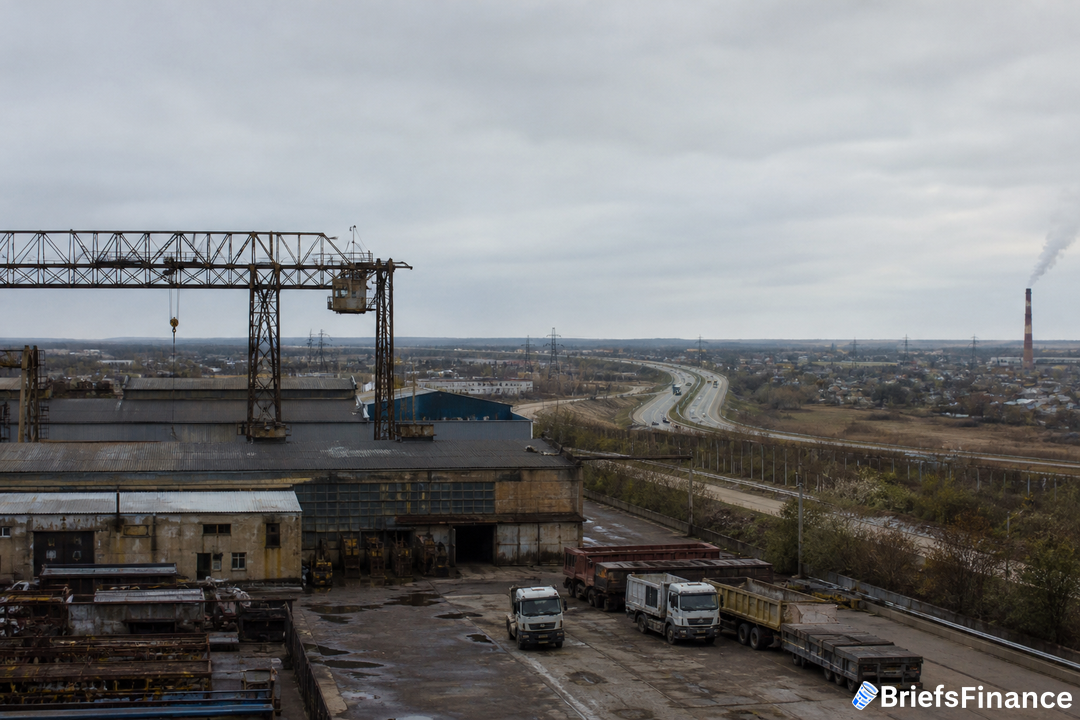
Third-quarter pause and why it happened
Germany's economy probably went nowhere in the third quarter, the Bundesbank said Wednesday, reversing last month's call for slight growth. That came after both of the first two quarters posted gains of at least 0.3%.
"This initially put the economic recovery on hold," the central bank noted, pointing to temporary constraints such as low water on the Rhine. Those factors are expected to fade into year-end.
Outlook and the shifting backdrop
The Bundesbank expects activity to pick up and "grow noticeably again" in the October to December stretch. In parallel, Europe's largest economy has held up better than anticipated amid the conflict in the Middle East.
Berlin recently raised its projection for full-year growth to 1.3%, more than twice its earlier estimate. Even so, higher energy costs remain a headwind and the recovery from a multiyear slump remains bumpy. Data published Tuesday showed that German investor sentiment declined in October, marking its first drop since April.
When economic signals can change quietly, stay prepared by subscribing to the free Market Briefs newsletter for clear daily context
Inflation and risks for your portfolio
The Bundesbank said inflation will likely remain elevated for some time. Consumer prices rose 3.3% in September, exceeding the European Central Bank's 2% medium-term target. "Overall, uncertainty remains very high, particularly regarding future trends in energy commodity prices," it said. "The longer the oil price shock persists and the more prices for other energy sources rise, the greater the risk that indirect effects will push the inflation rate higher than currently expected."
Because small shifts matter to planning and decisions, get concise updates from Market Briefs that fit into your morning routine