What Intel reported this week
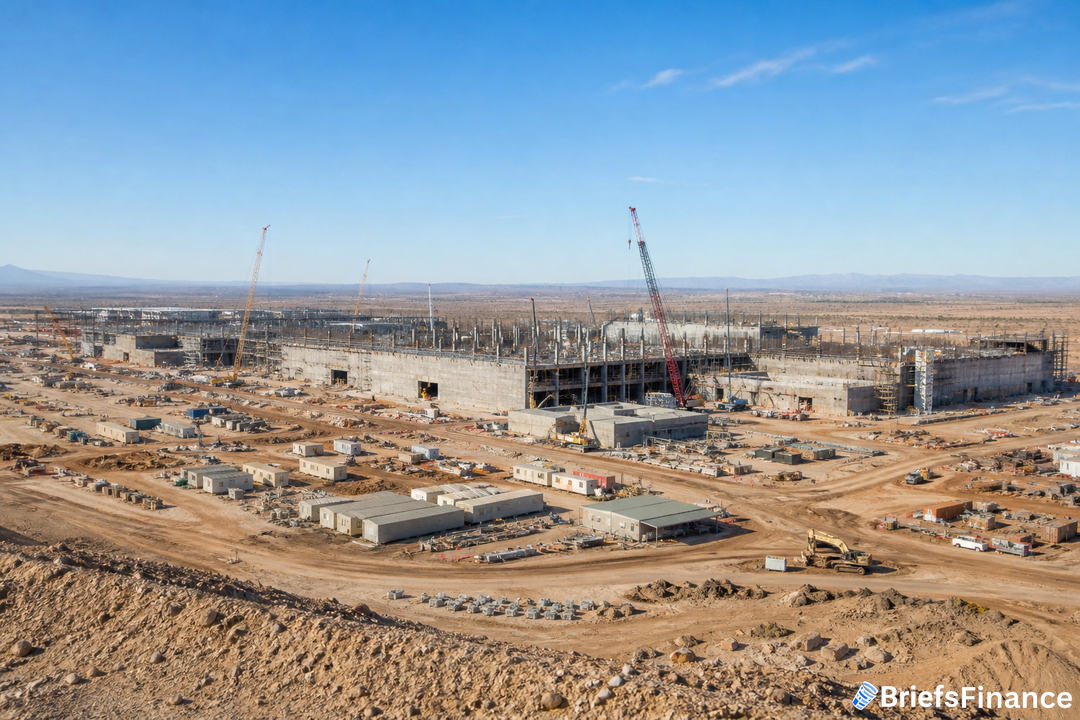
Intel said tool installation is underway at Fab 62 near Phoenix, a final step before a plant can make chips, according to Vice President Naga Chandrasekaran. In New Albany, Ohio, the company put up the first large roof truss, a public sign that work there is advancing again after an earlier pause that followed initial activity and an appearance by former President Joe Biden in 2022.
The Arizona buildout sits on Intel's Ocotillo Campus south of Phoenix, where two new facilities are being developed. Fab 52 is already live, Fab 62 is next door and nearing the start line, and Intel still runs nearby factories for older process work.
Why the timing and spend matter
Stocking a fab with equipment is the priciest phase of getting it production ready, and one piece of gear can cost several hundred million dollars. Fab 62 is expected to commence operations in early 2028.
Intel is also just beginning its shift into foundry work, where it manufactures chips for outside customers. While it has not unveiled many marquee foundry clients, it is currently seeing orders jump for its own products, especially data center processors that power AI services, and says it is struggling to keep pace.
When large projects reshape industries, a clear daily summary helps, so get the free Market Briefs newsletter in your inbox.
Strategy, past delays, and the leadership change
Under former CEO Pat Gelsinger, Intel cast itself as central to bringing cutting edge chipmaking back to the U.S., but a slide in manufacturing leadership over the last decade and difficulty attracting enough foundry business left expansion plans stuck for years. The Ohio site was pitched as the world's largest chipmaking complex and a symbol of a return to form, then work went on hiatus. Intel's update on Wednesday indicates the program is moving ahead again.
Since taking over in March 2025, CEO Lip-Bu Tan has emphasized that big builds, including Ohio, will proceed only when there is sufficient work to fill them. That stance implies Intel is getting more confident about demand for the new capacity.
The budget and the competitive bar
In July, Intel said spending on new plants and equipment would top its earlier plan, with capital outlays around 20 billion dollars this year, and it expects a significant step up in 2027. Even so, it remains well behind Taiwan Semiconductor Manufacturing Co., which Wall Street estimates will spend about 60 billion dollars, and South Korea's Samsung Electronics, which is also putting more to work than Intel.
What does that mean for your portfolio? Intel is clearing construction milestones, pacing equipment buys, and leaning on rising in house demand while its foundry pipeline develops. Progress is tangible, but the capex gap with TSMC and Samsung sets a high bar for catching up.
Markets are always moving and context matters, subscribe to Market Briefs for a quick daily rundown you can trust.