Price move tied to haze and output risks
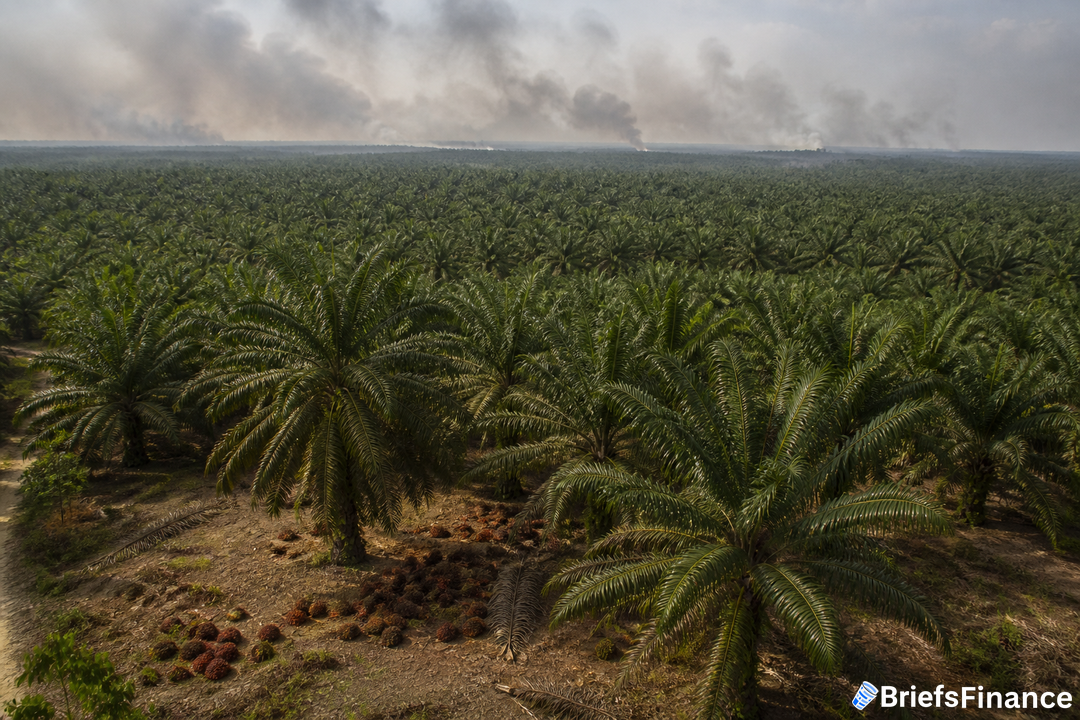
Traders nudged palm oil higher as forest fires in the world's top producer raised the odds of supply hiccups. In Kuala Lumpur, benchmark futures reached 4,975 ringgit per ton, or $1,229, after rising as much as 0.9% at the session peak. Thick haze has settled over much of Southeast Asia, and some harvesting has been disrupted as farm workers are drafted into firefighting. Smoke and reduced sunlight can also slow palm fruit development, compounding supply concerns.
What traders are saying and the demand backdrop
David Ng of Iceberg X Sdn, a senior trader, said the move "reflects the haze situation in Indonesia, which is getting worse," and noted the market is "concerned about the dry and hazy situation affecting output." He also flagged support from stronger crude and other vegetable oils. When crude prices are higher, biofuels become more competitive, which can bolster demand for palm oil.
Weather, winds and what to watch
Fires and haze recur in the region, often tied to traditional and commercial land clearing, but this year's severe El Niño is intensifying and prolonging the hit. Last week, the ASEAN Specialised Meteorological Centre reported that ongoing conditions have set the stage for wildfires and, together with prevailing southeasterly and southwesterly winds, have carried haze beyond national boundaries. The center anticipates more showers roughly in October, before the wet season begins, which could relieve both fires and haze. Pollution has already spiked in Indonesia and in nearby Singapore, Malaysia and the Philippines.
Markets move every day, and most of it never reaches you in time. Get the free Market Briefs daily newsletter and stay ahead of it.
Why it matters for your wallet
At the moment, firmer crude and gains across other edible oils are helping to prop up palm oil prices. The path from here hinges on how the fires evolve and whether rains arrive on schedule.