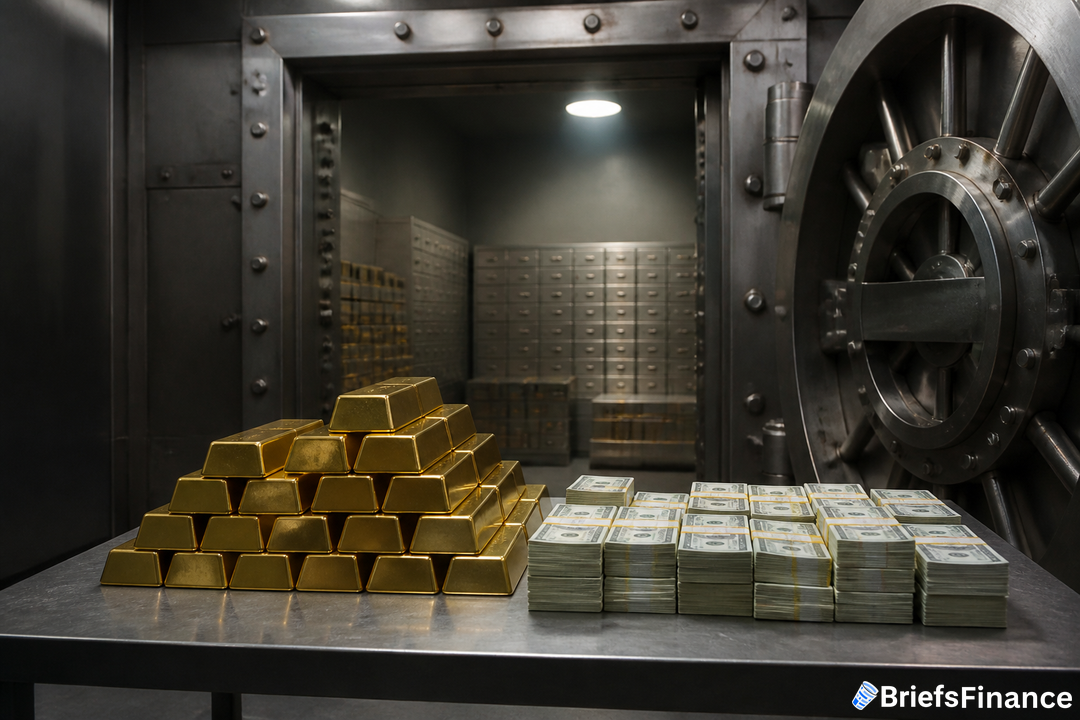
What the reserve numbers show
Japan likely raised cash for its record yen defense by unloading a slice of its foreign securities, including US Treasuries. Finance Ministry figures show the pile of foreign securities was $87.8 billion smaller at the end of August than a month earlier, a move broadly in line with the scale of the intervention to prop up the currency.
How Treasuries and US policy fit in
The data do not detail which securities or maturities were sold, though traders generally estimate that about 70% of Japan's foreign reserves sit in US Treasuries. Prices on 10 year Treasuries were only a touch lower at the end of August than at the end of July, which points to minimal valuation effects and suggests actual sales drove most of the decline in foreign securities.
Another round of intervention funded by selling Treasuries would signal Tokyo is comfortable using that lever even as US officials place more emphasis on keeping the Treasury market steady, particularly with midterm elections approaching. Treasury Secretary Scott Bessent recently said the government planned to expand its longer-dated debt buybacks to twice their current scale for a two-month span ending Nov. 4, a move seemingly intended to restrain longer-term yields.
Understanding what moved a market beats knowing that it moved. Get the free Market Briefs daily newsletter and follow the drivers.
What this means going forward
Despite the drop, reserves still amounted to $995 billion as August drew to a close, underscoring the firepower available if officials choose to step in again. Foreign currency deposits, another funding source for intervention, declined by $6.9 billion. Finance Minister Satsuki Katayama also flagged the Foreign and International Monetary Authorities Repo Facility as an option for future actions after the US Japan joint move. Through that facility, Japan could secure up to $60 billion each day while avoiding sales of Treasuries, easing strain on US yields and expanding the room for intervention.