Two paths into AI
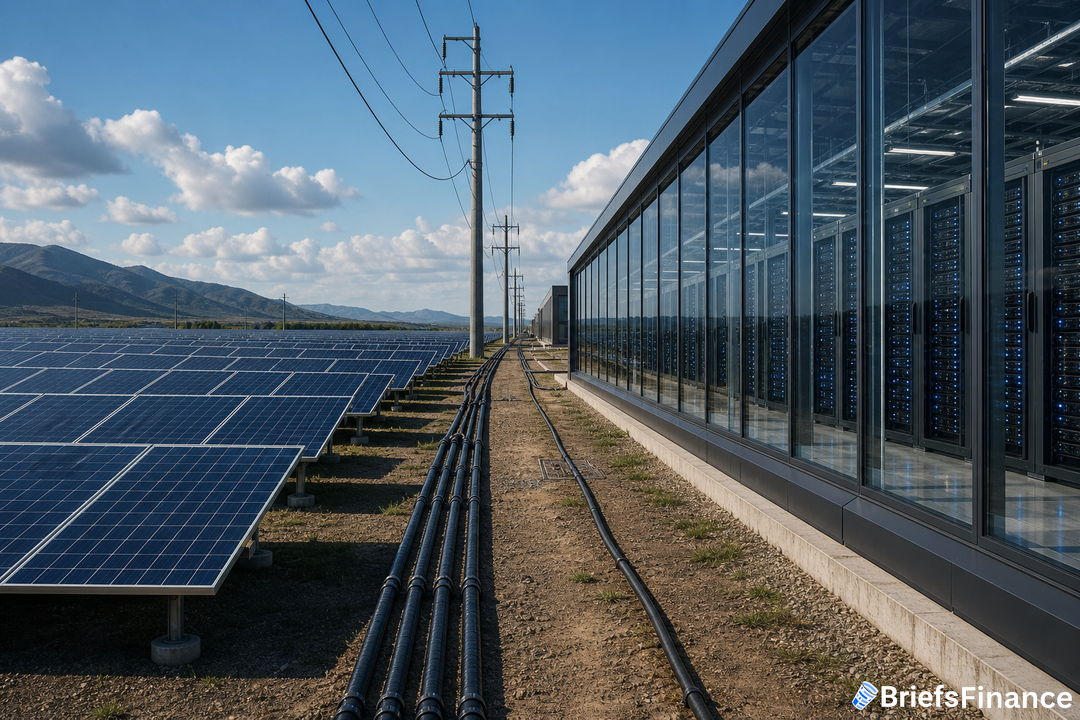
From a CNBC Squawk Box interview in Tokyo, Greg Abel sketched out Berkshire's AI game plan in two lanes. First, supplying electricity to the surge of AI data centers, which he called a "significant opportunity for Berkshire and Berkshire Hathaway Energy." He has long viewed access to enough power as the main constraint on building those power-hungry sites. There is a bright line, though: Berkshire will only sell to hyperscalers if there is "no impact to the rates of our other customers."
He also nodded to the growing friction around new data center projects, noting "There is a lot more pushback in the communities across the U.S." His view: builders need to "seriously evaluate" the "reaction from communities," and use technologies that reduce water consumption so a facility becomes a "welcomed member of the community." In Iowa, where Berkshire runs a sizable utility, Abel said data centers have provided "very, very substantial" tax relief for residents and delivered revenues that support schools, police, and fire departments.
How the Alphabet deal came together
The other lane is ownership. Berkshire's Alphabet position now sits at almost $36 billion, a stake Warren Buffett initiated last year. Based on what they were seeing across Berkshire's businesses, Abel said he and Buffett understood AI was "going to have a significant impact on America and businesses," and "we saw Google as a significant player."
Abel detailed this spring's direct purchase from Alphabet. continue to invest in Google ...
Markets move every day, and most of it never reaches you in time. Get the free Market Briefs daily newsletter and stay ahead of it.
Japan trip, bond math, and long-term ties
While in Japan, Abel is stopping by a Berkshire tool-making operation and sitting down with leaders of the trading firms in which Berkshire owns sizable positions. He said none of them brought up rising Japanese interest rates as a "fundamental challenge right now." He added that Berkshire will "continue to sell yen-denominated bonds as needed" to finance future investments there, notwithstanding that Japan's 10-year yield climbed to just over 3% this week, the highest level in 30 years. Rates there are "still relatively modest when you think about it." For comparison, the U.S. 10-year yield sits near 4.8%.
He anticipates Berkshire will keep its stakes in Itochu Corp., Marubeni Corp., Mitsubishi Corp., Mitsui & Co., and Sumitomo Corp. "for many decades," describing his talks with their leadership as "just exceptional discussions." The company is also keeping optionality with Tokio Marine. Abel would not address stories that Berkshire could partner on a large cross-border purchase. In March, Berkshire spent $1.8 billion to acquire about a 2.5% interest in Tokio Marine and formed a "long-term strategic relationship" to pursue "compelling" opportunities. That partnership is "very broad" and "there's no obligation to act on it." Still, "if it were to make sense, both for Tokio Marine and for ourselves, of course, we'd love to pursue a transaction with them."
Housing outlook and why it matters to you
Abel said he does not see "any type of immediate recovery" for U.S. homebuilders, describing a "bumpy road for a while." He added that over the next five to 10 years, Taylor Morrison - which Berkshire recently bought - should prove a "very strong asset," since the "American dream will continue to exist."
The through-line: Berkshire is positioning for AI in two practical ways, potentially powering the infrastructure that runs it and owning more of a company it views as central to the shift. For your wallet, the takeaway is straightforward. Berkshire is hunting for durable demand, watching community impacts and costs, and locking in capital on terms it likes.