What the audit covers
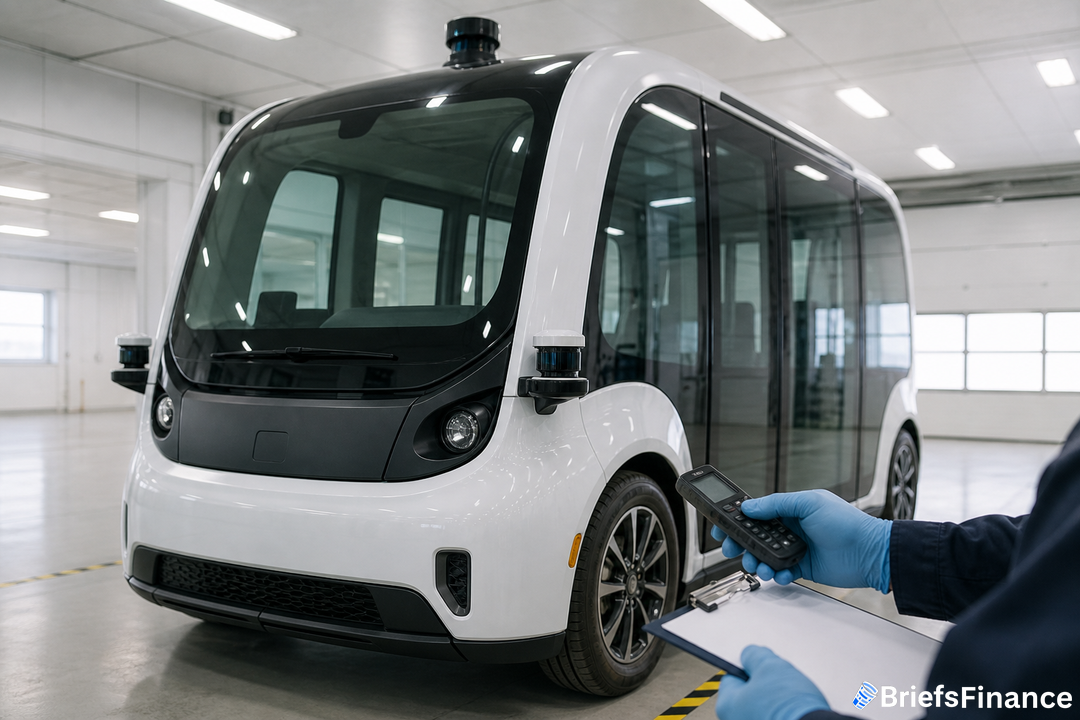
The National Highway Traffic Safety Administration is scrutinizing how Tesla certified the Cybercab under federal vehicle safety rules. The agency highlighted that the Cybercab does not have permanently attached conventional manual controls, citing missing mirrors and driver inputs such as an accelerator pedal, a brake pedal, and a steering wheel. Regulators said they plan to examine Tesla's rationale for certification, specifically the justification for treating certain Federal Motor Vehicle Safety Standards as not applicable to the Cybercab.
How the rollout is starting
On Thursday in Austin, Tesla rolled out a limited commercial cohort of its two-seat Cybercab and said it aims to scale the service to additional cars and cities over time. According to state filings, as of Friday morning the company counted 420 autonomous vehicles on the Texas registry, including 45 Cybercabs.
Company response and what to watch
Tesla did not provide an immediate comment when asked. For now, the audit puts a spotlight on how a driverless vehicle without traditional controls fits within existing safety rules, and whether Tesla's paperwork and tech data clear that bar.
A few minutes a day is enough to stay genuinely informed about your money. Join Market Briefs free and start tomorrow.
What this means for your portfolio
Regulatory questions, an early-stage service launch in Austin, and the latest Texas registration counts are now on the scoreboard for Tesla's autonomous push. Keep an eye on whether the audit slows expansion or prompts design tweaks, since either could shape timelines and costs around Tesla's robotaxi ambitions.