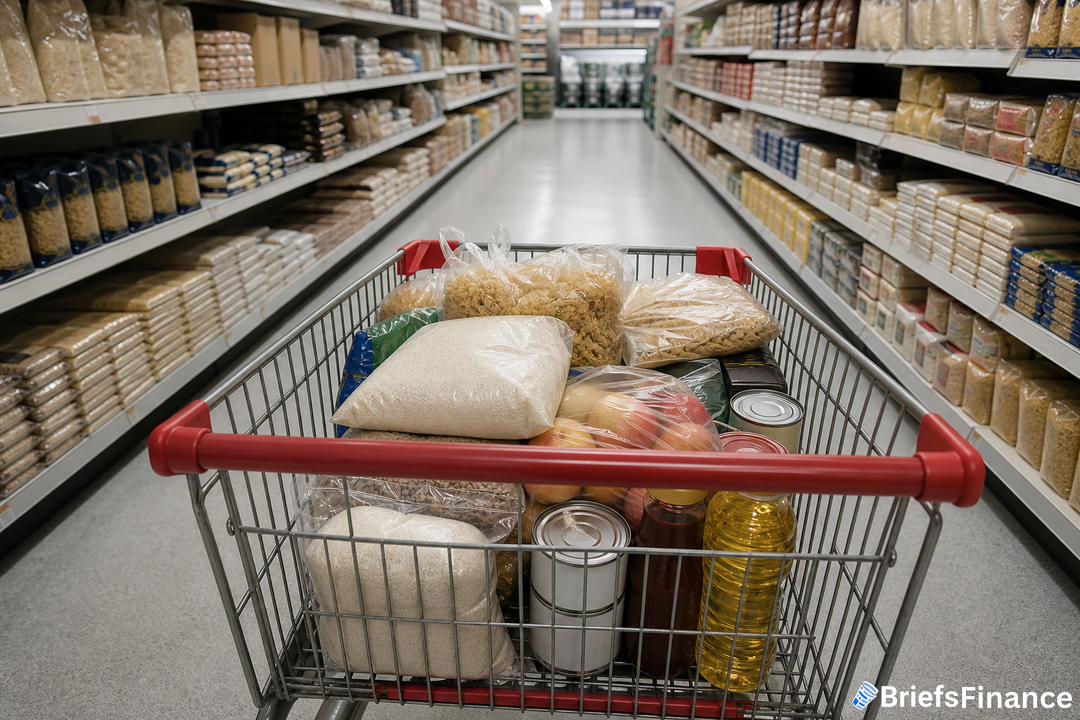
A household snapshot of a national shift
Ahead of their wedding last year, plumber Myles Gollant of Melbourne and his wife purchased a home and filled almost all of it with previously owned furniture. "The only thing we bought brand new at the time was a bed," said Gollant. He added that they are watching their spending closely: "It's not a strict figure, obviously things pop up, but you are definitely conscious of your spending."
Winners and losers in the value pivot
Sticky inflation above 3% since last year and a housing downturn are reshaping shopping lists. In fiscal 2026, Wesfarmers' low-price Kmart held up, and rival discounter Big W, part of Woolworths Group Ltd., swung back to profit. In groceries, Woolworths reported a 5.5% lift in sales of its own and exclusive brands, while Coles Group Ltd. said house-brand sales increased 6.1%, outpacing its overall growth, with roughly one third of its customers now buying those items.
Elsewhere, pressure built. Furniture seller Nick Scali Ltd. said in August that foot traffic dropped as much as 15% in the prior quarter as the housing slowdown curbed new orders. Harvey Norman's Australian comparable sales slipped 3.4%, and JB Hi‑Fi Ltd. logged its steepest share decline since 2020 after sales missed forecasts.
Retail Food Group, which runs chains like Gloria Jean's and Donut King, posted an annual decline of about 3% in domestic network sales. "You've got a battered consumer, I think, at the moment," Managing Director and CEO Anthony J. Scali said on an earnings call, as he cited the slide in house values, rising interest rates, inflation, and broader cost-of-living increases.
The strain is visible beyond stores too. ARB Corp. reported a 3.3% drop in Australian aftermarket sales; Chairman Robert Fraser said discretionary spending had been crimped by inflationary pressures. Used-car sales fell 6.6% in the first half of 2026 from 2025, with the year-over-year decline quickening to 16.2% in June. New vehicles still moved in August, but buyers leaned toward cheaper options, lifting Hyundai and a growing slate of Chinese brands.
A few minutes a day is enough to stay genuinely informed about your money. Join Market Briefs free and start tomorrow.
How retailers are chasing value-hunters
Retailers are sweetening loyalty programs, rolling out steadier pricing and promoting house labels to hang on to cost-conscious shoppers. Examples include a $75 loyalty-member deal at Ikea, Harvey Norman promotions timed to events like Afterpay Day, and Woolworths' Disney Ooshies drive, which lifted sales growth.
Woolworths CEO Amanda Bardwell expects customers "to remain value-focused in the year ahead," and pledged "low and dependable prices." Coles CEO Leah Weckert said cost-of-living pressures are "very, very front of mind," with shoppers holding a "high expectation" on value. Coles' Chief Commercial and Sustainability Officer Anna Croft said private labels from toilet paper to baby goods are fueling results, with the budget household line Coles Ultra delivering double-digit sales growth.
The money backdrop and what to watch
Household budgets remain tight. Inflation is still above 3% since last year, wages were up 3.2% over the three months ending in June, and higher borrowing costs plus tax changes aimed at property investors are cooling the housing market. Finder said last month that 75% of Australians surveyed felt financially stressed, while consumer sentiment sank to "deeply pessimistic" in June.
With about 60% of household wealth tied to property, Commerzbank AG notes that sentiment may not rebound until home values do. Even so, Australians are prioritizing experiences: the ABS said recreation and culture outlays climbed 1.5% in July, propelled by gambling, major sports and cinema visits.
For your wallet, the through-line is simple: shoppers are trading down where they can and delaying big-ticket buys where they must. As eToro analyst Josh Gilbert put it, "Nobody is looking to splurge on a lounger right now, especially if they aren't moving." Value-focused grocers and discount chains are capturing that shift, while businesses reliant on discretionary splurges are feeling the pinch.