What moved the market
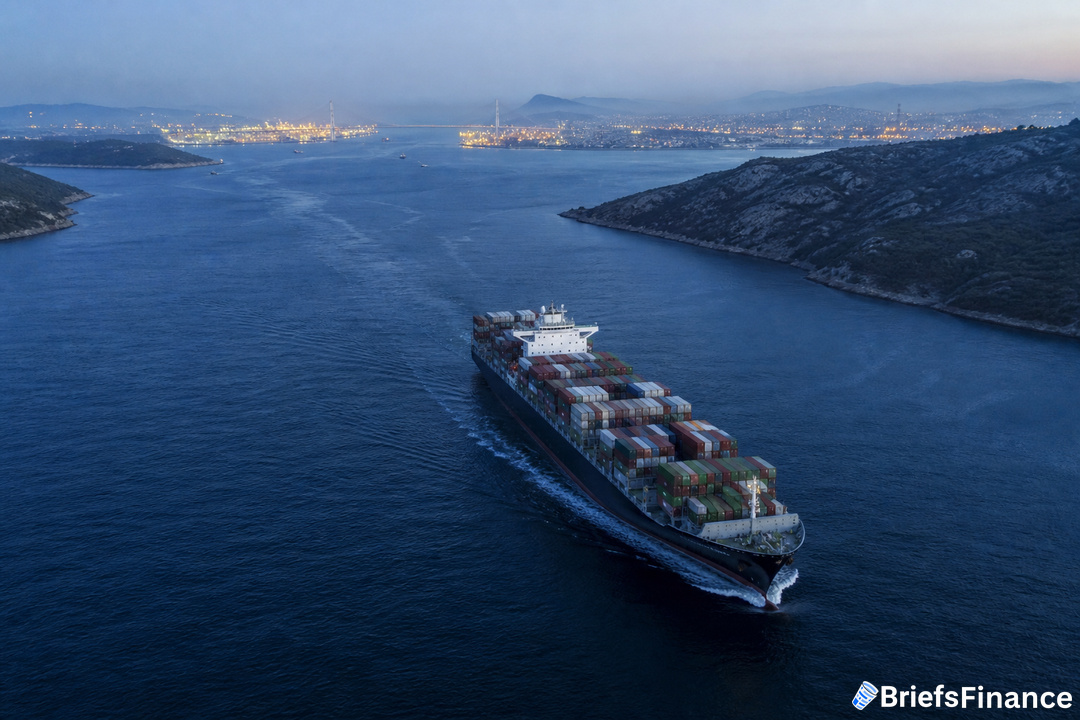
When one of the world's busiest oil corridors gets snarled, ships do not stop sailing, they sail farther. The war involving Iran has snarled the Strait of Hormuz, which pushed tankers onto longer routes and lifted insurance costs. That effectively reduced available capacity even as global trade kept flowing, and it lit a fire under shipping shares.
Lloyd's List Intelligence says a group of 35 U.S. and European shipping stocks has climbed roughly 68% in 2026, outpacing the S&P 500 by more than five times, and is up 82% over the past year. Crude tanker names are leading the charge, up 120% so far, with car carriers, gas carriers and dry bulk operators following.
Where the gains are
The rally shows up across tickers. According to LSEG, Danaos Corp has rallied 60% this year and now trades at its highest level since 2008. Frontline PLC and Teekay Tankers are at valuations they have not seen since 2011.
BW LPG has set a fresh record. Safe Bulkers and Navios Maritime Partners have reached multi‑year highs, and International Seaways notched an all‑time peak last week.
Why investors piled in
Money was already rotating into the long‑overlooked maritime space to tap into the physical flow of commodities and the steady cash from real assets. "Shipping provides a form of hedge to geopolitical instability," said Andreas Povlsen, a managing director at Hayfin Capital Management, who cited how freight markets benefited from shocks like the pandemic, Houthi strikes in the Red Sea and Russia's invasion of Ukraine.
According to Nicolas Tirogalas - the chief executive officer at Tufton Investment Management - "Shipping now has to go further, and tonne‑miles have increased." He added, "if the Iranian conflict ends, the situation is unlikely to revert to the status quo before the war." He expects buyers to stick with diversified supply lines rather than snap back to old patterns.
The best financial decisions come from understanding the whole picture. Join Market Briefs free and get the full brief each morning.
Not everyone thinks today's pricing is built to last. "A meaningful chunk of this premium is just fear pricing, and it'll deflate fast the moment Hormuz looks normal again," observed John Kartsonas, the founder and managing partner at Breakwave Advisors - a firm that operates two shipping ETFs, including BWET. He said the current cycle reflects geopolitics and inefficiency, with longer routes and stranded vessels, rather than genuine new demand for ocean trade.
What it means for your money
Under the hood, this story is more about detours and delays than a lasting jump in cargo. The assessment came from J Mintzmyer - founder and president at Value Investor's Edge - who said the tanker and dry bulk markets, following a decade of underinvestment, were already set up for a strong 2026, and the Iran war "poured gasoline on the fire of an already strong market." He views dry bulk as best placed if disruptions stick around, and notes ship supply could start growing from 2027 through 2030 if today's rates persist.
Translation for your wallet: if routes stay messy, elevated earnings can hang around. If they clear up, the air can come out fast. Know which you are betting on when you look at those eye‑popping charts.