What the plan is
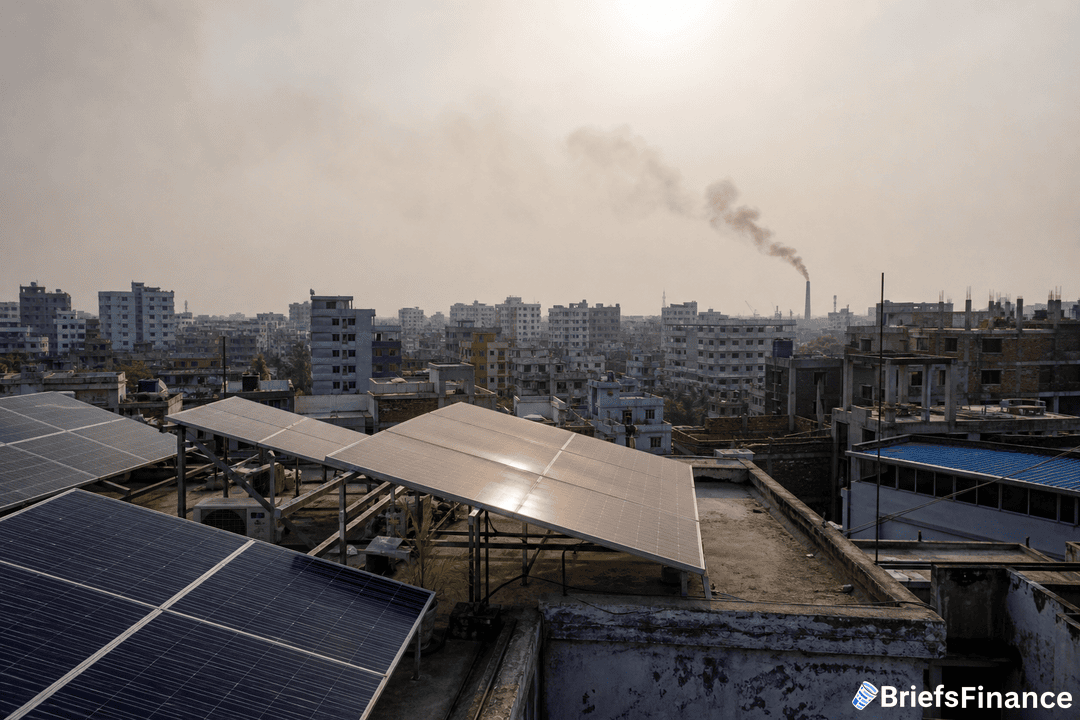
In a notice issued Tuesday, the government said customers who put rooftop solar in place by Feb. 28 next year will be paid a tariff of 10.50 taka per kilowatt hour, equal to 8.5 US cents, for surplus electricity exported to the national grid. The incentive will be available for three years, running through February 2030.
Why officials moved now
Authorities are dealing with an ongoing gas shortfall after the Middle East war disrupted flows and lifted energy prices. Prices for near term Asian LNG cargoes have climbed to more than double their levels before the war. Traffic through the Strait of Hormuz remains constrained, and Qatar has extended a force majeure on LNG deliveries to Asian buyers for another month because it is still unclear when the waterway will fully reopen.
The best financial decisions come from understanding the whole picture. Join Market Briefs free and get the full brief each morning.
What it means for your portfolio
Bangladesh relies heavily on imported fuel and has been buying high priced cargoes on the spot market, sending its energy import bill up by an estimated $2.5 billion by early August as it sourced costlier shipments to replace lost Qatari volumes. The urgency is reshaping the country's power mix targets: the government wants green energy to reach 20% of electricity generation by 2030, versus just a 2% renewables share in 2025, per Ember. If you track emerging market energy exposure, this is a real time example of how geopolitical chokepoints and policy pivots can change demand for solar gear, grid upgrades, and LNG alike.