What Changed Under the New Law
President Donald Trump used a waiver provision in the Graham Act to hold off sweeping Russia-related tariffs that he signed into law last month.
The law, written by the late Senator Lindsey Graham, also locks in and broadens sanctions on Moscow. The 30-day window to take action under the statute culminated on Oct. 18.
Why Diesel Is Driving the Decision
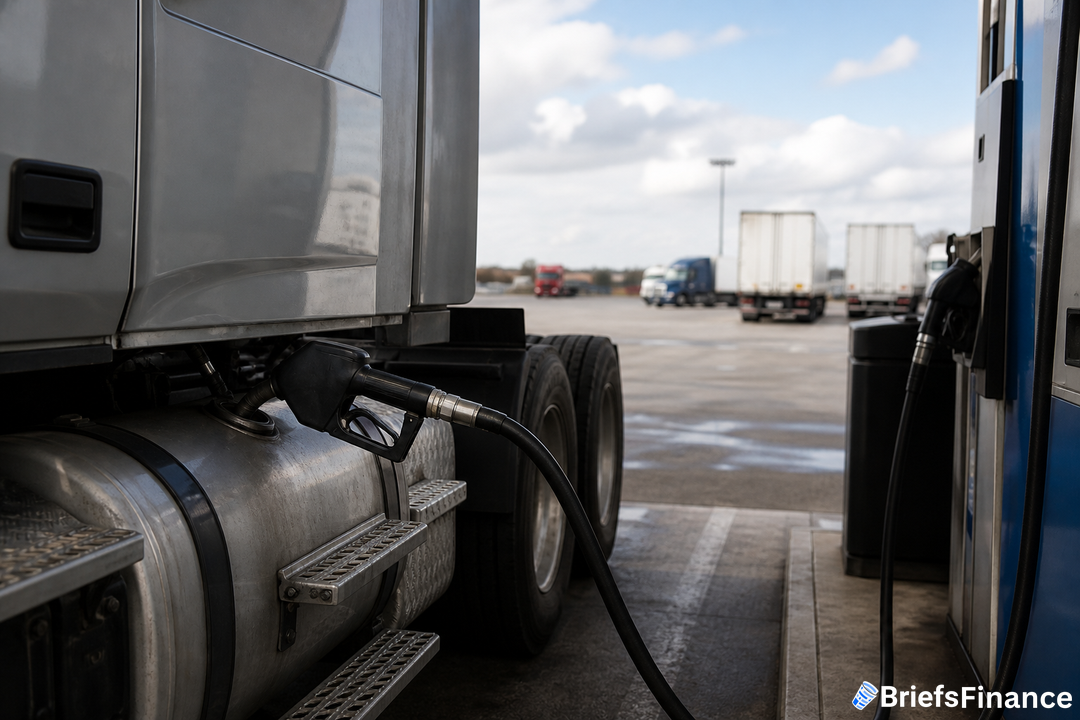
Trump said last week he wants to work with Russian President Vladimir Putin to release Russia's diesel into global markets, aiming to pull down US diesel prices, currently at record highs, before the Nov. 3 vote. Pausing the tariffs also steers clear of an immediate clash with the top buyers of Russian energy, namely China, India, and Turkey.
Kirill Dmitriev, Putin's presidential envoy and part of the Russian team negotiating with US officials on the Ukraine war, called the decision a "truly historic moment," adding, "Economic cooperation between Russia and the United States serves the interests of both nations."
Pushback And The Battlefield
Ukraine's President Volodymyr Zelenskyy said Russia struck one of its largest salvos at Ukraine's energy system overnight, hitting 15 key power generation and transmission sites. "A US sanctions blackout, easing pressure on the aggressor, financial rewards for Putin - all of this only encourages him to keep attacking."
Policy headlines can change quickly, so sign up for the free Market Briefs newsletter to grasp the economy in five minutes daily
In Washington, a bipartisan group of senators this week urged Trump to unwind the diesel arrangement with Putin and implement the Graham law.
On the ground, Ukraine's General Staff reported Russia launched ballistic and cruise missiles along with 332 Shahed-type drones overnight, including 31 jet-powered models. Posting on Telegram, Russia's Defense Ministry reported the downing of 610 Ukrainian drones overnight across 16 regions and over Crimea, which Putin annexed from Ukraine in 2014, as well as above the Black Sea. Late Friday, Putin stated that Russia intends to keep up large-scale attacks against Ukraine's military-industrial sites and logistics hubs.
Zelenskyy has ordered renewed strikes on Russian oil refineries, concluding a pause he maintained after Trump called for an energy truce. He also accused Trump and Elon Musk of limiting Kyiv's access to SpaceX's Starshield satellite system used to help intercept Russian missiles and drones. Trump said Friday he did not order restrictions on Ukraine's Starshield access and did not think Musk did either. Musk has stated that the US government manages the system and determines its use.
What It Means For Your Portfolio
The tariffs exist but are shelved, leaving two levers in tension. One is the diesel channel Trump is pursuing to add Russian supply and ease prices. The other is a standing authority to later impose 100% tariffs on goods from the top buyers of Russian crude and 500% tariffs on US imports of Russian energy.
Watch the calendar. The law's 30-day deadline hit Oct. 18, and the US votes Nov. 3. Any policy shift in this window can sway fuel prices, ripple through shipping and manufacturing, and move your inflation exposure. Meanwhile, intensifying strikes on energy infrastructure raise the odds of sharper commodity volatility and knock-on effects for energy, industrials, and transport.
Fuel and markets touch everything, so sign up for our free newsletter, Market Briefs, to get concise updates across stocks, crypto, and real estate