What IBKR launched and how it worked
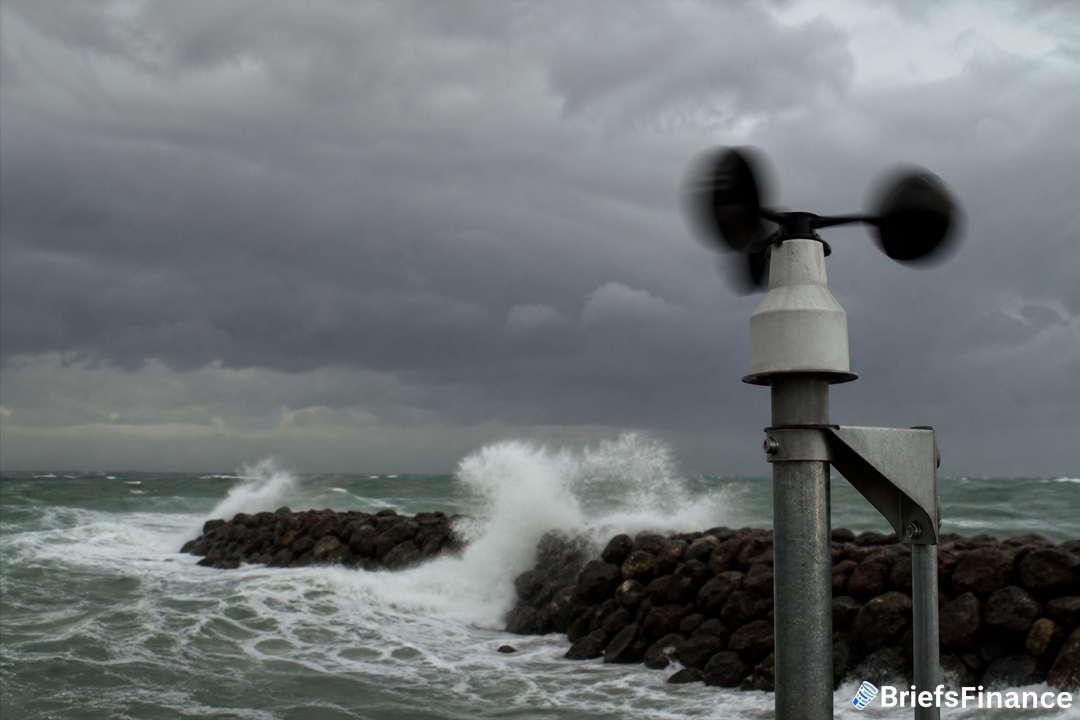
Interactive Brokers Group Inc. debuted what it calls live hurricane contracts while Category 2 storm Isaias was moving toward the Florida Panhandle. The contracts let traders take positions on whether wind gusts from Isaias would surpass defined thresholds at 25 locations, including Fort Walton Beach, Panama City Beach and Tallahassee.
Activity on the Isaias contracts was light, and IBKR described it as the first full test on an Atlantic storm. Patrick Brown, who leads climate analytics at IBKR, said, "It's a first step in educating market participants about the potential for hurricane contracts to manage extreme-weather risks," adding that the design drew on feedback from reinsurers.
Why this differs from typical hurricane bets
Prediction markets are growing, with platforms like Kalshi and Polymarket attracting sizable flows in trades tied to temperature, rainfall and snowfall. But most hurricane-linked contracts today focus on basin-wide storm totals and landfalls, measures that are too blunt for pricing and hedging weather risks.
IBKR's approach targets the intensity of a particular storm at a given place. By zeroing in on where damage may occur, the contracts are designed to give insurers, cities and utilities a more precise hedge against hurricane losses. One concrete application, explained by Brown together with IBKR quantitative researcher Josh Hemmerling, is that "a ladder of wind gust contracts can be used as a hedge against a deductible gap in an insurance policy." For example, a homeowner facing the first $20,000 in repair costs could use such a ladder to cover that exposure.
When weather and risk overlap, staying informed matters, so sign up for our free Market Briefs newsletter for daily clarity.
The market backdrop and the liquidity problem
Hurricane markets have struggled for years with thin trading. The Chicago Mercantile Exchange dropped hurricane futures and options in 2014 because activity was too low. That has long been the hurdle for weather products, even though since 1980 the US has seen tropical cyclones inflict $1.5 trillion of damage.
Isaias underscores the gap between market size and real-world losses. Verisk estimates insured losses from the storm may reach $2 billion, and after a two-year lull, it became the first hurricane to reach US shores, making landfall on Oct. 9. As volumes build and familiarity grows, Brown expects more interest from institutional players such as reinsurers.
The catalyst, say veterans, could be retail flow. "Speculative capital is what the market is starved for," said Steven Vu, who previously traded weather derivatives and founded WeatherMage. "Any product that can draw this to the market can have an immense impact on the price of risk mitigation."
What this could mean for your portfolio
If IBKR can attract steady participation, these location-specific contracts could evolve into a new liquidity pool tied to the actual damage path of storms, not just basin counts. It is still early, and current trading is tiny compared with losses from cyclones like Isaias, so treat it as a live experiment in transferring and hedging weather risk. The bottom line: watch whether volumes and institutional use climb from here.
Markets reflect many forces, and our free Market Briefs distills the economy, stocks, crypto and real estate in minutes.