Free NewsletterPro Login

Warning: Undefined variable $stocks in /var/www/briefs.co/htdocs/wp-content/plugins/oxygen/component-framework/components/classes/code-block.class.php(133) : eval()'d code on line 448

Warning: foreach() argument must be of type array|object, null given in /var/www/briefs.co/htdocs/wp-content/plugins/oxygen/component-framework/components/classes/code-block.class.php(133) : eval()'d code on line 448

Warning: Undefined variable $funds in /var/www/briefs.co/htdocs/wp-content/plugins/oxygen/component-framework/components/classes/code-block.class.php(133) : eval()'d code on line 472

Warning: foreach() argument must be of type array|object, null given in /var/www/briefs.co/htdocs/wp-content/plugins/oxygen/component-framework/components/classes/code-block.class.php(133) : eval()'d code on line 472
/* the link was here */
×
Free investor livestream — Nov 17

How To Use ChatGPT & Claude To Research Stocks Like A Pro

01
The prompt we use to break down any stock
02
How to fact-check what AI tells you
03
How to compare two stocks in minutes

Energy costs are seeping into prices, but groceries are still the outlier

Published Oct 16, 2026
Share:
Summary:
  • Higher fuel costs are filtering into airfares, delivery, and trucking, while supermarket prices have mostly stayed cooler than overall inflation.
  • September's CPI posted its fastest monthly gain in five months, and PPI logged its largest rise in over four years.
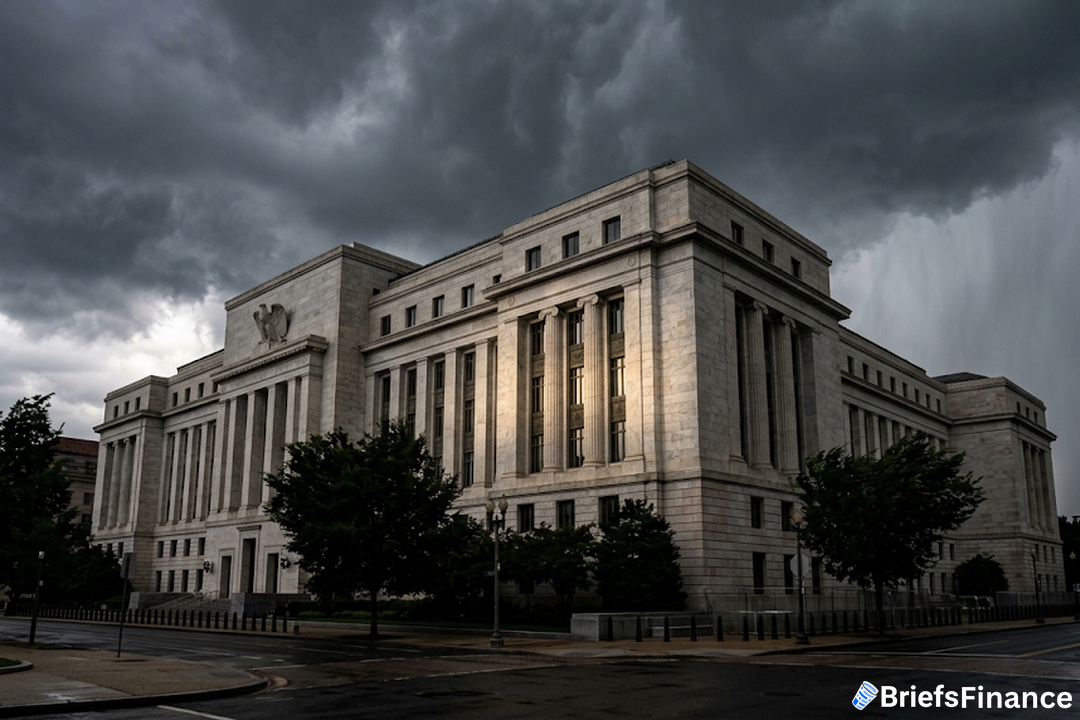
  • Investors see the Fed pausing on Oct. 27-28 following the September hike, the first in more than three years.

Energy is showing up on receipts

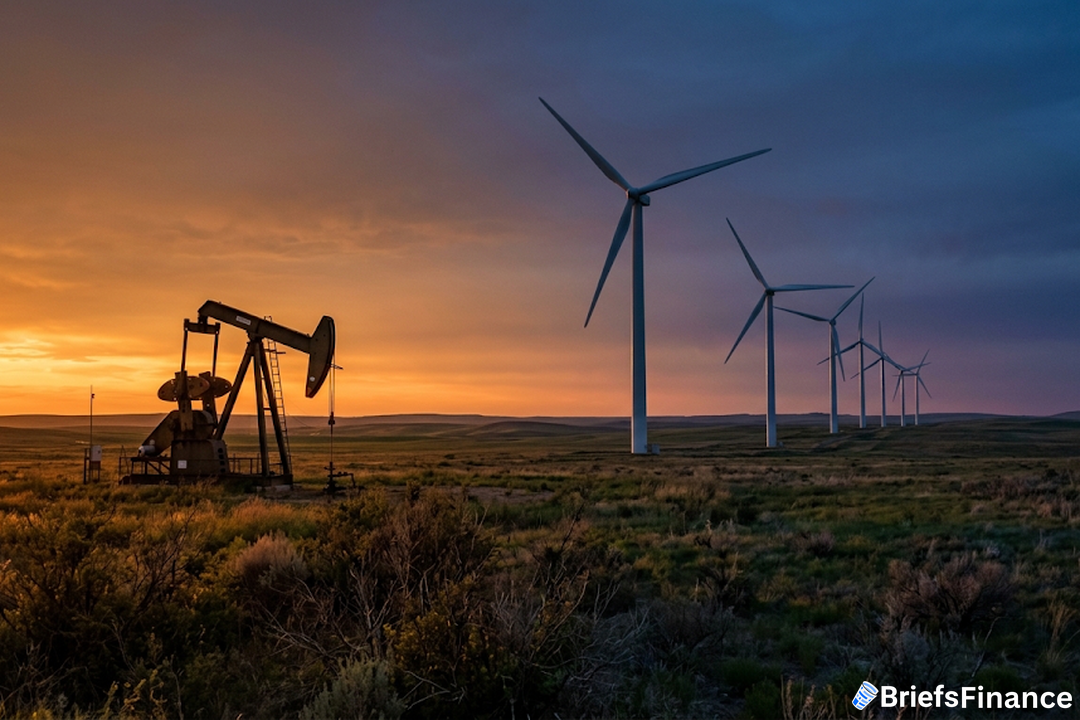
Oil's run-up, helped by overseas conflicts, is starting to show in what consumers pay. Fresh data this week flagged big gains in categories that burn fuel: airline fares were about 22% above their year-ago level, and delivery services rose at their fastest annual pace since September 2022. On the wholesale side, the index tracking truck freight charges was more than 19% higher than a year earlier in September, the steepest increase in over four years.

The broader inflation gauges moved too. The CPI for September advanced at its quickest monthly rate in five months, while the PPI notched its biggest increase in more than four years. An index tracking margins in wholesale and retail trade services jumped 1.4% last month, suggesting pricing power is firming as costs climb.

What companies and the Fed are seeing

Some firms are pushing through higher input costs. RPM International Inc., the company behind Rust-Oleum and other coatings, said it fully offset inflation in its fiscal first quarter and expects to do the same in the second. Chairman and CEO Frank Sullivan said this month, "We were not planning additional price increases in the spring and that changed pretty dramatically because of geopolitical events." He pointed to oil and energy moving through supply chains, alongside demand that "still isn't real robust."

The Fed's Beige Book echoed those anecdotes. "Higher oil prices permeated all district reports," it noted, adding that elevated diesel costs and fuel surcharges were being passed along throughout supply chains.

When prices and costs shift, staying informed can ease uncertainty, so sign up for the free Market Briefs newsletter today

Food prices: calm now, pressure building upstream

Supermarket prices have been the exception so far. In September, grocery prices in the CPI edged lower, helped by cheaper beef, pork and eggs. Up the supply chain, though, PPI showed food prices rose 1.2% last month. Prepared animal feed jumped 2.3% from August, the biggest monthly gain since early 2022, and was 6.6% above its level in September 2025.

Economists are watching that gap. At Santander US Capital Markets, chief economist Stephen Stanley says grocery inflation has been running below trend but is likely to accelerate. Veronica Clark at Citigroup sees minimal broad energy pass-through into goods so far, pointing out that categories such as household furniture and appliances have been flat or declining. Other dynamics are evident: surging demand for the computer chips and building materials required for data centers appears in both CPI and PPI.

Rates, the road ahead, and your portfolio

Speaking at the IMF meetings in Bangkok, Fed Chairman Kevin Warsh affirmed the view that rates will stay on hold this month, saying, "I don't believe in saying now what I might do at the meetings that we have in the balance of this year,". Even so, this week's inflation data bolstered arguments for additional rate increases in December and continuing into next year.

Citi expects the next couple of CPI releases to come in relatively subdued on a month-over-month basis, which, together with muted wage gains and a cooler labor market, could make it easier for the Fed to look past the latest energy surge. The bottom line: keep an eye on sectors with heavy fuel exposure and on pricing power indicators like trade margins. That is where inflation risks and potential earnings pressure in your portfolio are most likely to show up.

Markets can surprise anyone, and our free Market Briefs will give you a clear daily summary in minutes

Disclosure

Recent News

1 2 3 … 125

Get Market Briefs delivered to your inbox every morning for free!

No fluff. No noise. No politics. Just finance news you can read in 5 minutes.

Blogs

November 3, 2026
How to Budget Every Payday: 5 Moves So You Never Worry About Money
  • A median earner could make about $4.7 million over a career, yet most retire with closer to $13,000 in the bank because of a keeping problem, not an income problem.
  • Audit your money, save $2,000, pay off credit card debt, then automate a 75/15/10 split across three bank accounts.
  • Earn more only after your system is in place, then protect what you build with an accountant, attorneys, the right insurance, and an estate plan.
Read More
November 3, 2026
How to Invest in Stocks: 5 Things to Do Before You Invest Your First Dollar
  • Paying off credit card debt at around 22% interest beats the stock market's roughly 10% average, and even Warren Buffett's 19%.
  • Save $2,000 in a separate emergency fund, learn to research with AI, and decide whether you're a growth, income, or wealth preservation investor.
  • Write down a plan for buying during market crashes, which have happened 25 times in the last 100 years.
Read More
November 3, 2026
Best ETFs to Buy: 5 Three-ETF Portfolios for Every Investing Goal
  • An ETF is a basket of stocks, so one purchase spreads your money across many companies instead of riding on just one.
  • Jaspreet Singh laid out five portfolios of three ETFs each, built for kids, cash flow, growth, slow and steady growth, and protection from a weaker dollar.
  • Based on 10-year average returns, $500 a month could grow to between about $660,000 and $3.1 million over 30 years, though past returns never guarantee future ones.
Read More
November 3, 2026
Best Investments of a Generation: 5 Market Shifts Backed by Your Tax Dollars
  • Private companies are about to spend $1 trillion a year on AI, and the Trump administration is putting tax dollars behind the same industries.
  • The five shifts are AI and its supply chain, robotics, rare earths, energy, and defense.
  • Each comes with real risk, from an AI bubble to wars ending or a new Congress, so these are ideas to research, not sure things.
Read More
November 3, 2026
How to Get Ahead Financially: 10 Moves to Make While Everyone Else Falls Behind
  • Learning a high-income AI skill, or building AI tools for tradespeople, can raise your earning power in a tough job market.
  • Higher interest rates, the 2025 tax cuts, Trump accounts, and stacked cash back can put more money back in your pocket.
  • Following where government money is moving, keeping cash ready for market crashes, and investing in your own education can speed up your wealth.
Read More
November 3, 2026
National Debt at $40 Trillion: Why Inflation Is the Hidden Tax, and Who Profits From It
  • Time magazine asked President Trump how he'd tackle the $40 trillion national debt, and he suggested inflation could help pay it off, a cost that lands on everyday Americans.
  • From 1971 to 2025, cars, houses, and college outpaced both inflation and incomes, while the S&P 500 grew more than 33,000% with dividends reinvested.
  • The U.S. can default, inflate, or outgrow its debt, and history shows each path rewards different assets.
Read More
November 3, 2026
FOMC Meeting: Why the Fed Is Getting Nervous, and Why AI Stocks Feel It
  • At its latest meeting, the Fed held rates steady but warned it may raise them again, because inflation is running near 3.5% against a 2% target.
  • Oil prices, tariffs, AI's hunger for energy, and government spending are all pushing prices higher, and gold, silver, and bitcoin fell on the Fed's news.
  • Chinese AI stocks are down about 40% in a few months and Google fell more than 10% in a day, raising fears that higher rates could pop an AI bubble.
Read More
November 3, 2026
Midterm Elections: Where the Money Could Move if Republicans or Democrats Win
  • The U.S. government spent about $7.5 trillion last year, and the midterm elections could change which industries get more of that money.
  • A Republican win could favor manufacturing, fossil fuels, banks, and defense.
  • A Democratic win could favor healthcare, weight-loss drugs, clean energy, and infrastructure.
Read More
November 3, 2026
Brazil Stock Market Crash: Why Lula's Win Matters to U.S. Investors
  • Brazil's stock market fell more than 20% in a few days, and its currency dropped 8%, after Lula won a presidential election investors expected him to lose.
  • The shock reaches U.S. investors through coffee and beef prices, the BRICS push away from the dollar, and a market that had become an investor favorite.
  • The last time Lula first won, in 2002, Brazil's stock market fell more than 20% and then grew 12x by 2008, though nobody knows if that will repeat.
Read More
November 2, 2026
Credit Utilization: How Paying Down Cards Can Help Your Score
  • Credit utilization is your card balances divided by your credit limits, checked overall and card by card.
  • Lower is generally better, and Experian says the effect becomes more noticeable around 30%.
  • Paying down balances and keeping new charges off your cards are the main ways to lower it.
Read More
1 2 3 … 32
Share via
Copy link