What the package is
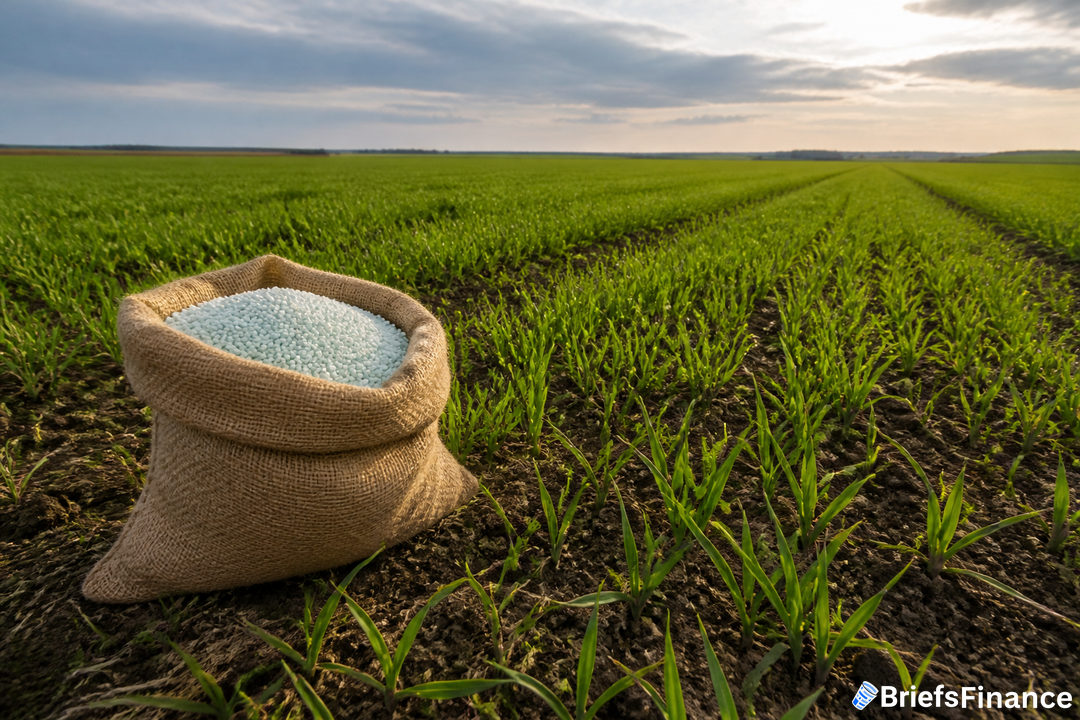
The G7 set aside €2.5 billion, equal to $2.8 billion, to help get fertilizers where they are needed and strengthen food security in lower income nations. Roland Lescure, France's finance minister, unveiled the allocation in Bangkok on Thursday and highlighted that France holds the group's rotating leadership.
Who the aid targets and why
The funds will support rolling out fertilizers to countries including 44 nations the World Bank flags as facing food security risks, with particular emphasis on Africa. The goal is to ease bottlenecks and improve access for growers in places where higher input costs hit hardest.
The backdrop
Because of conflict in the Middle East, moving fuel and fertilizers out of the Persian Gulf via the Strait of Hormuz has been disrupted, lifting farmers' costs and reigniting broader food-crisis concerns. In June, G7 leaders adopted a joint action plan aimed at softening the blow from pricier crop nutrients.
When global policy touches food and energy costs, stay informed with our free Market Briefs newsletter that arrives each morning
What this could mean for your portfolio
If fertilizer flows improve and costs stabilize in at-risk countries, it could calm some of the volatility around global food supply headlines. Agriculture-linked markets tend to react to policy steps like this, especially when they target bottlenecks in inputs. Keep an eye on how quickly the fertilizers are deployed and whether access through key shipping lanes normalizes, because those are the levers that can shift sentiment around food production and prices.
For clear context on markets, the economy and food security, subscribe to Market Briefs for a quick daily briefing