The reveal and the setting
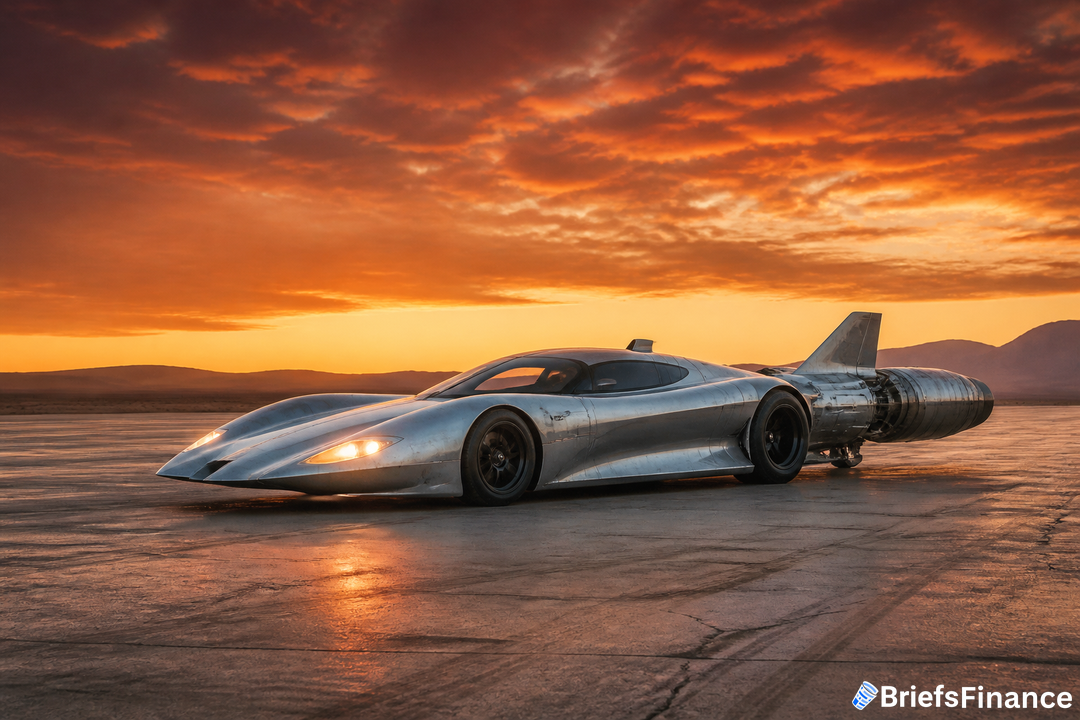
On Thursday, Tesla is staging a late-day Roadster debut inside SpaceX's rocket test grounds outside Waco, Texas, with tight control over the venue. Recent promos winked at Back to the Future's flying car, and Musk has teased for years that the prototype could lift off using rocket-style hardware. Earlier this year he said the debut "might be one of the most spectacular demos ever."
A version that actually flies is unlikely to reach consumers, given the practical hurdles around cost, safety, regulation and everyday usability. Still, a dramatic demo would command attention and reinforce Tesla's image as a tech-forward boundary pusher. Even as the company intensifies its push into autonomy, executives are positioning the new Roadster as a celebration of old-school, hands-on driving.
The car, its history, and Tesla's lineup
Tesla's first product, the original Roadster, arrived in 2008 and exited in 2012. A successor was announced in 2017 but has been pushed back multiple times. The update lands as Tesla looks to re-energize its auto unit after back-to-back annual sales declines and critiques of a tired lineup, even while Musk tries to pivot the company toward areas like artificial intelligence and robots.
Today the core consumer catalog is the Model 3 and Model Y, with the Cybertruck in the mix though selling slowly. Earlier this year, the company dropped two vehicles from its consumer range and keeps the commercial Semi in production; it is also building a two-person robotaxi called the Cybercab, which is not yet available for purchase by outside customers.
When headlines spark questions about innovation and markets, sign up for the free Market Briefs newsletter to get clear five minute updates
The SpaceX link and investor views
Tesla has floated a SpaceX option package for the next Roadster for years, and unveiling it at a SpaceX site highlights how the two Musk-led companies increasingly work together. On a recent earnings call, Musk said Tesla overlaps "on so many fronts with SpaceX," citing Terafab, a joint effort to build a semiconductor plant. That deepening connection is part of why some investors and analysts see a case for a merger. Garrett Nelson at CFRA called the revived Roadster "long overdue," adding, "They've had this lull in their product pipeline for years now."
Nelson also said, "We've seen the companies grow closer and closer," and, "It's approaching the point where Musk can make the argument that the companies collaborate so closely that it just makes sense to merge." If the Roadster's design incorporates SpaceX-developed features, he said, "that would be another step in that direction."
Andrew Rocco, a stock strategist with Zacks Investment Research, expects the event to energize fans but not overhaul the financial picture. "It's going to be an exciting product. Likely, it's going to build a lot of hype, but I don't think that it's going to be a needle mover," he said, adding, "Musk loves to build hype around the brand."
What this might mean for your portfolio
EVs still make up most of Tesla's revenue and profit, so a showstopping Roadster moment looks more like brand fuel than a delivery driver. If the car actually takes flight on stage, that is headline material. If it later arrives with SpaceX-inspired tech, that is another clue about how closely the two companies operate. For your money, this event reads as a marketing play first, with any sales bump a distant second.
For readers curious about what innovation means for portfolios, try our free Market Briefs five minute briefing delivered each morning