What officials did and where
The government escalated England's water crisis by declaring a severe drought in specific areas, the first such move since 1995. Parts of Cornwall, Devon, Dorset, Somerset, East Sussex and West Sussex were shifted into the top drought category on Thursday. Ministers also ordered daily tracking of river and reservoir levels and tighter oversight of water withdrawals. Emergency planning has been stepped up as storage levels have slid far beneath seasonal norms.
Why conditions reached this point
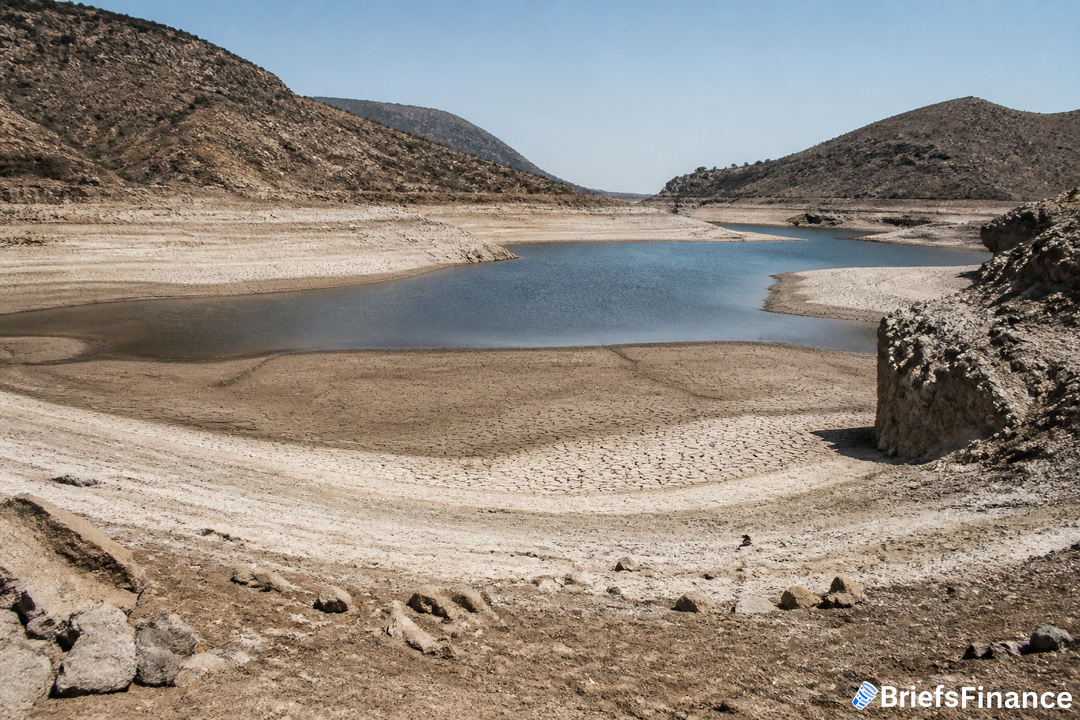
After months of exceptionally low rainfall and the hottest summer on record, England's water network hit a new stress test. Soaring temperatures, which helped spark wildfires and hurt crops, collided with a system already dealing with leaks and outages as demand climbed. The result is reservoirs that are dramatically depleted for this time of year.
When events touch everyday life, staying informed helps you plan ahead, so sign up for the free Market Briefs newsletter
What the change means for your money
Household water service is still running without interruption, though hosepipe bans are already in force. The Environment Agency has been told to put public supplies first where necessary over environmental protections, which lets companies hold back more water in reservoirs for taps. For context, Ardingly, in West Sussex, is at only 19% of capacity and Wimbleball in Somerset is at 16%, compared with about 75% that would normally be expected. The last severe drought in England hit Yorkshire in 1995, and Devon has not seen conditions this bad since 1976.
Markets and policy shifts can feel opaque, so get clear, concise context each morning with the free Market Briefs newsletter