What happened
Poland's foreign minister, Radoslaw Sikorski, publicly challenged Elon Musk on Wednesday after Ukrainian units said overnight that Starlink service faced new limits. "As your European customers, we are watching you," Sikorski wrote, following up with, "Are you playing politics with your products again?"
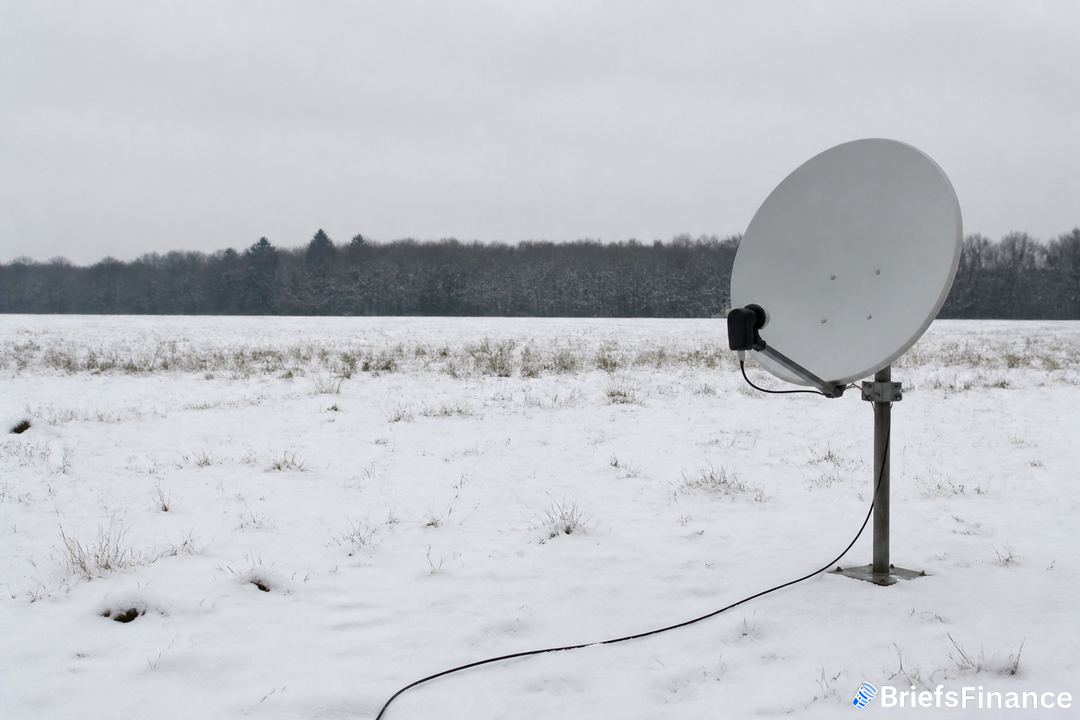
Earlier the same day, Serhii Beskrestnov, a military adviser to President Volodymyr Zelenskyy, said SpaceX altered access for Starlink terminals used by Kyiv's forces and that Ukraine had no advance warning.
Political backdrop
The dispute lands as tensions between Zelenskyy and US President Donald Trump have escalated since Trump announced last week that he had struck an agreement with Vladimir Putin, the Russian President, to ship diesel to global markets. Trump also claimed that Ukraine and Russia had settled on an energy truce, while acknowledging that neither side had offered any commitment to cease striking the other's energy infrastructure. A large-scale Russian strike against Ukraine's electricity plants on Tuesday night further undercut Trump's claim.
Satellite access has become a point of real diplomatic leverage. Market Briefs covers that dependency free every morning.
Why it matters
Starlink has become essential to Kyiv's battlefield communications, and Poland helps pay for some of Ukraine's access. Sikorski and Musk have tangled before over whether the service is being used as a political lever, and this episode shows how a private network can become a geopolitical pressure point with on-the-ground consequences.
What it means for investors
Policy fights can ripple into service availability, operations and reputational risk for companies tied to conflict zones. If one company's switch can change battlefield connectivity, it can also shift expectations for reliability and oversight across the sector.
Who controls connectivity in a conflict zone matters enormously. Get the free Market Briefs daily newsletter and follow it.