The surge and who is tracking it
Space Capital's latest look at third quarter activity points to a milestone year ahead, with 2026 on pace to be the first year space investment clears $100 billion. The firm credits three tailwinds: SpaceX's record summer IPO, strong demand from the US Department of Defense for space assets, and a push by sovereign governments to build their own satellite networks and other infrastructure to power growth. The report also flags a notable shift: more startups in the sector are crossing the unicorn threshold than at any time before.
SpaceX, fundraising, and launch concerns
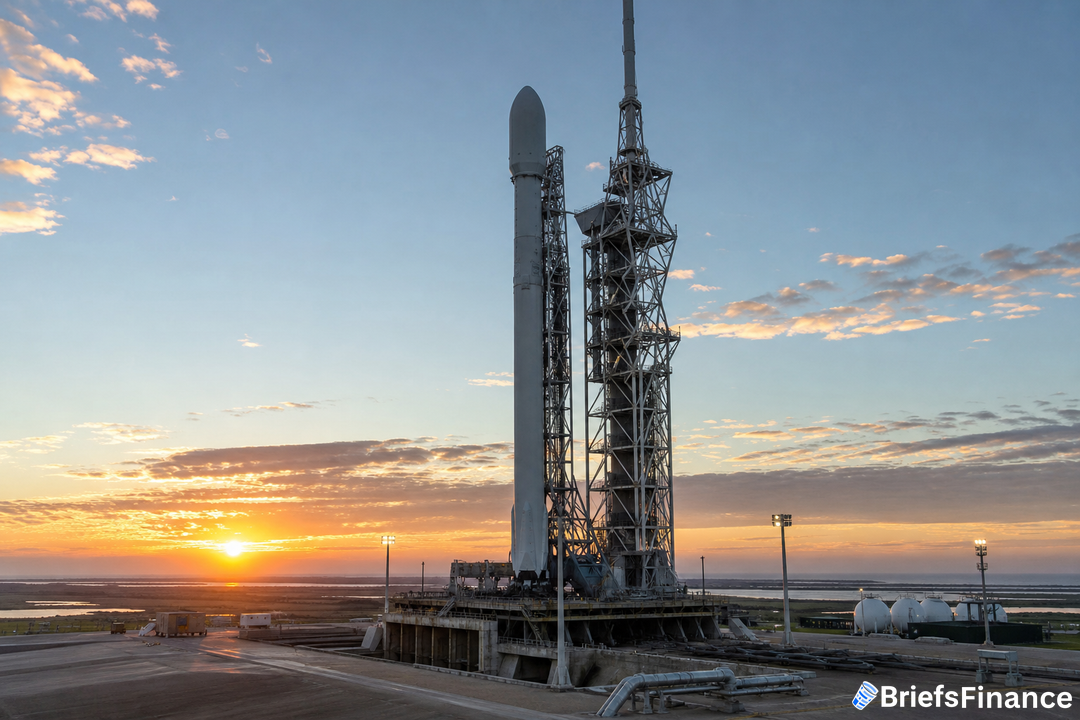
A lot of the current momentum traces back to SpaceX. According to Anderson, investors may have started viewing other space companies as more critical following the company's record-setting IPO this summer. It was the "biggest debut of all time," raising $75 billion. Beyond the IPO, SpaceX plans to wind down its Falcon 9 workhorse over the coming years, raising the risk of a rocket shortfall and steering funding toward other launch providers.
Funding totals show which frontier industries investors actually believe in. Market Briefs covers that capital free every morning.
New money and big raises
That potential scarcity is already moving money. Launch startup Stoke Space Technologies, Inc. recently announced a $1 billion raise to build a bigger iteration of its reusable Nova rocket. Blue Origin LLC, SpaceX's largest rival, secured at least $10 billion in the company's first external fundraising across its 26-year history.
Valuations, warnings, and quotes
All the fresh capital comes with a warning label. Anderson says companies are sometimes securing money at lofty valuations that do not always pencil out, especially when their plans hinge on unknowns. One example is exposure to SpaceX timelines. "There are some companies getting funded today that, for example, require SpaceX's Starship to build their business and launch their satellites, and that's a big risk," he said. "I don't know when they're going to make that capability available."
What this means for your portfolio
Money is pouring into launch and infrastructure, and potential gaps in rocket supply are shaping who gets funded next. If you track the sector, the swing factors to watch are dependency on a single provider and how government buyers and national programs influence winners and timelines.
Space is becoming an infrastructure business, not a moonshot. Get the free Market Briefs daily newsletter and follow it.