Why drawdowns are easing
Chinese refiners look set to tap their buffers less this month, with more seaborne crude lined up from November, according to Energy Aspects analyst Jianan Sun. That added supply would help China preserve its stockpiles buffer against future disruptions. Sun pointed to fresh buying of Iraqi barrels and crude from elsewhere in the Middle East for delivery next month as a sign refiners are already locking in more feedstock. With Middle Eastern sellers offering more spot cargoes, both state-owned and private processors are leaning in, even as a recent jump in attacks has raised questions about how many shipments ultimately make it to port.
What the stockpile math shows
Since the Middle East war started, China has drawn down roughly 147 million barrels, taking crude inventories to 1.09 billion barrels, Vortexa estimates. September marked the sharpest monthly drop since 2020, driven in part by state refiners pulling barrels as ship-to-ship transfer snags near the Strait of Hormuz slowed arrivals. Kayrros, part of Energy Aspects, pegged holdings at 1.18 billion barrels on Oct. 11, a 16-month low. For context, Vortexa's charted data cited in the report shows the last reading for the week ending Oct. 12.
While national volumes remain hefty, the pinch is tighter for independents. Some private refiners could run through their on-hand crude by the end of this month and face cuts to processing rates unless they secure new cargoes.
Inventory builds and drawdowns tell you more about oil than headline demand does. Market Briefs covers that data free every morning.
Tankers, tensions, and Saudi flows
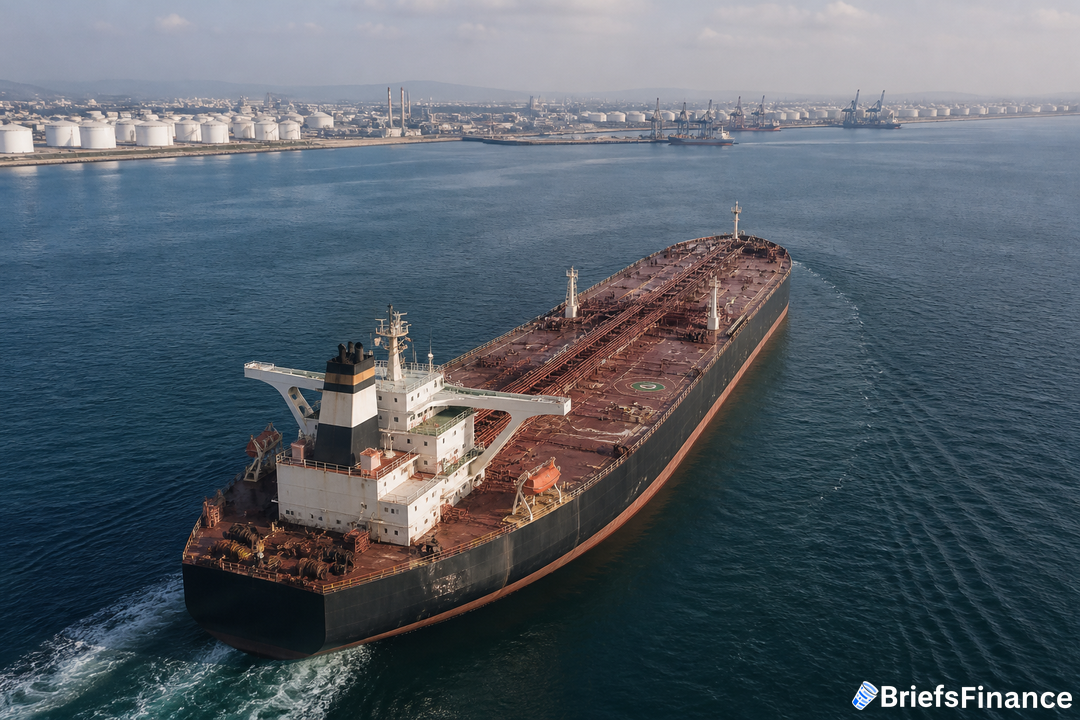
Despite a rise in Iranian attacks on vessels that has prompted more empty supertankers heading to load to divert away from the Persian Gulf, Saudi Arabia says its energy supply capacity remains resilient. Bloomberg's tanker-tracking shows that over the next three months, 96 very large crude carriers, each with capacity of about 2 million barrels, are due to reach China - the highest number since the Iran war got underway in late February. Beijing's latest import quotas have also spurred private refiners to step up spot purchases.
"We expect China's crude destocking to slow at least in October," Sun said. "We see upside risks to Chinese crude imports as Saudi Aramco ramps up exports via STS transfers outside the Strait of Hormuz." A quicker comeback in Saudi shipments could allow state-run refiners - especially Sinopec - to draw on extra Saudi supply to rebuild tanks depleted earlier this year, with the aim of finishing by March 2027.
What it means for your wallet
If China buys more barrels on the spot market and reins in stock draws, that can take some pressure off near-term price spikes from supply scares, but it does not erase geopolitical risk. The bigger story for everyday budgets is stability: steadier Chinese imports and gradual restocking make sudden fuel-price swings less likely than if refiners were forced to scramble for replacement cargoes.
Where the barrels actually sit decides the price months out. Get the free Market Briefs daily newsletter and follow it.