What happened
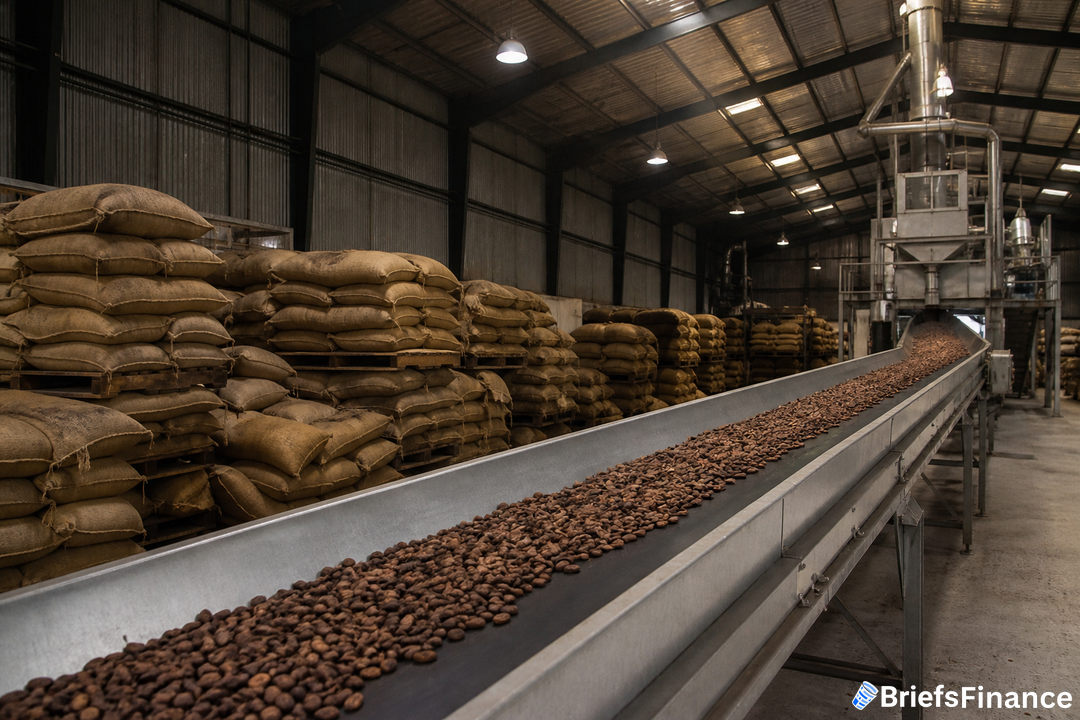
Chocolate's building blocks are getting busier in Asia. The region's processors are on track to have handled about 208,412 tons of cocoa in July through September, roughly a 15% bump from a year earlier. That would mark the largest third quarter increase in the dataset that goes back to 2011, and it comes after an unusually soft performance in the same period last year.
How the regions compare
Asia's momentum is not universal. Europe, the largest consumer, is expected to show a 3.9% decline in grindings, while North America is projected to be largely unchanged, according to the Bloomberg polling. Estimates were all over the map for Asia, with growth calls spanning from 2% to as high as 24%.
Official tallies for Asia, Europe and North America land Thursday, with the North American update slated to post after New York cocoa trading closes for the day. Hedgepoint Global's Carolina França anticipates that, taken together, the three regions will process 8% to 12% more than a year earlier in the July to September window, and she said the numbers will show how buyers reacted to the latest price swings.
Grindings data is the cleanest measure of real chocolate demand. Market Briefs covers soft commodities free every weekday.
Why prices and demand are still jumpy
Cocoa hit record highs in late 2024, then cooled off, but prices are still choppy and sit well above their long-run averages. Traders remain on edge over supply risks, including the potential effects of El Niño and disease pressures on West African crops. According to Rabobank analyst Oran van Dort, "There's going to be a rebound and most of the rebound will be taking place in Asia." "Part of that demand growth is due to rising disposable incomes, more of a chocolate culture and more investment in the cocoa industry there." He also flagged increasingly dry weather in Ghana, the No. 2 producer, as a threat to the current harvest, and said some speculators may be buying futures to shield their net-short positions ahead of the grindings reports.
Even with some price relief, parts of the market are still digesting last year's shock. Nisha Kumari at Tropical General Investments Group said cocoa's 2024 spike caused "lasting demand destruction" that has been slow to unwind, with chocolate makers still reworking recipes and calibrating inventories. Shoppers feeling the pinch have also pushed back on higher prices in some places. Just last month, Lindt & Sprüngli Group reduced its sales growth outlook, citing "subdued consumer sentiment" in Europe, and signaled plans to cut chocolate prices.
Market moves and what to watch
On Tuesday, New York's most-active cocoa contract jumped as much as 4.3%. Judy Ganes, who heads J. Ganes Consulting, put it bluntly: "Europe will be the worst of all of them in my opinion," while expecting a modest pickup in North America and the strongest gains in Asia. For your wallet, the read-through is simple: if Asia keeps carrying demand while supply risks linger, chocolate's ingredient costs may stay elevated and volatile, even as the official reports confirm how far the recovery has traveled this quarter.
Processing volumes lead cocoa prices by a season. Join Market Briefs free and follow the crop.