What happened
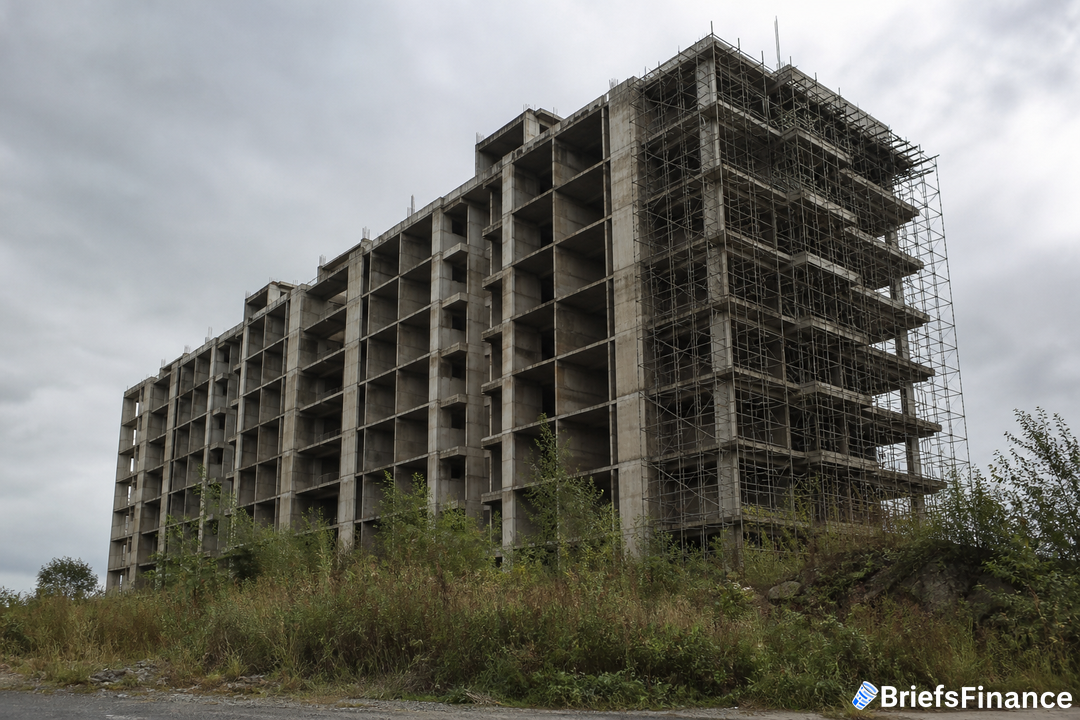
Whitbread boss Dominic Paul said the company has pulled back on some planned UK hotel openings because steeper business rates tipped those projects over the line on cost. "If we weren't facing these increases, we could play an even more important role in getting young people back into work," he said, adding, "We've lost the opportunity to create jobs and particularly a lot of those hotels would be creating jobs in regions of the UK that need jobs."
Hospitality investment decisions track tax and labour costs closely. Market Briefs covers that calculus free every morning.
The cost and the operating picture
Following last year's budget, which scrapped pandemic-era business rates relief and scheduled property values to rise starting April 2026, Whitbread now faces an extra £100 million ($132 million) in tax charges. The government has since offered more relief to pubs, clubs and live music venues, but hotels were not included. A report published last month by Hilton Worldwide Holdings Inc. with WPI Economics argued that cutting hospitality taxes in the UK would help hotels hire more young workers and reduce youth unemployment.
Operationally, first-half revenue rose 2% to £1.57 billion. UK accommodation revenue was up 3%, while Germany climbed 18%, a performance Paul partly attributed to the "strength of the Premier Inn brand." The shares climbed as much as 3.6% in London.
Governance fight and what it means for your wallet
Last month, Corvex Management, which owns 6.4% of Whitbread, said the company had "underperformed its peers and the wider market over multiple time horizons" and called for a general meeting. Whitbread announced today that the meeting is scheduled for Nov. 9 to consider a Corvex-nominated director, and it urged shareholders to vote against the proposal. "We are unanimous in our view that it does not make sense for this activist investor to get a seat on our board," Paul said.
Management said it is on track with its five-year strategy, targeting £275 million in additional adjusted profit before tax by fiscal 2031 and £2 billion in returns to shareholders. Meanwhile, Prime Minister Andy Burnham kicked off an independent review into how commercial properties are valued for tax purposes in August, potentially affecting pubs and hotels in 2029. For your money, the takeaway is simple: higher taxes are crimping new builds, performance is holding up, and boardroom pressure is rising - a mix that can sway earnings power and how much cash ultimately flows back to investors.
Shelved projects are a leading indicator for construction. Get the free Market Briefs daily newsletter and follow it.