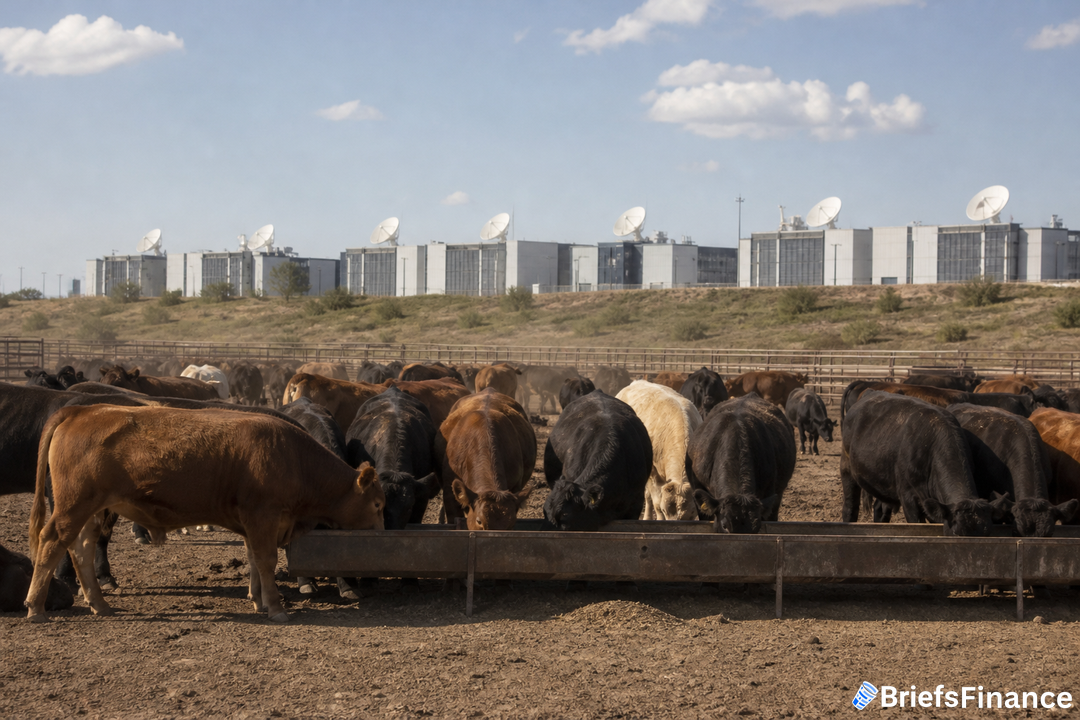
What ICE is rolling out
If you hedge beef or bacon, you may soon have another venue. Intercontinental Exchange, owner of the NYSE, plans to list futures linked to cattle and hog pricing. The lineup includes a physically delivered cattle contract plus three cash-settled instruments covering cattle and hog benchmarks. ICE is working toward a Dec. 7 go-live and expects to have the first products up before the calendar flips, subject to signoff from regulators. The new offerings are slated to trade under symbols COW, MOO and SOW, and members are being alerted this week.
"There are moments in time in the evolution of markets where choice becomes a compelling motivation, and we believe this is an inflection point for the industry as we work to launch a cattle futures market," said Trabue Bland, who is ICE's senior vice president for futures markets. He added, "We received significant inbound customer demand from those seeking credible alternatives to what has historically been a singular choice for cattle."
Why CME is in the spotlight
CME Group, the biggest US futures marketplace, has overseen trading in cattle and hogs going back to the 1960s. It is shifting parts of its core trading engine to Google Cloud. That plan, and the buildout of a new system, sparked a heated debate among trading shops and the farm community.
People familiar with the matter said the setup had been pegged to Dallas. According to two of them, some firms worry the change could raise expenses and slow execution.
CME has argued the cloud move should help manage costs, enable real-time analytics and improve efficiency. According to outgoing CEO Terry Duffy, he will not migrate any offerings to cloud-based systems unless they are "better than what I have today."
On Monday, CME said a previously announced relocation of its livestock markets to Dallas no longer needs to proceed because a new facility in Aurora, Illinois, is arriving sooner than expected. Dallas will still serve as the disaster recovery site, and a company representative said the temporary shift of the primary venue is no longer necessary.
New futures contracts change how an entire industry hedges. Market Briefs covers market plumbing free every morning.
The beef backdrop
CME lists contracts for feeder cattle and for live cattle ready for the packing plants. Those prices have jumped in recent years as the US herd fell to its smallest level in more than 50 years, squeezing profitability for packers and some producers. A gauge of swings in the most active live cattle contract hit a high point in late 2025 and has stayed lofty since, pushing some traders to step aside. Open interest across the market slid in August to a more than two-year low and has only clawed back a bit.
Beef costs are still a big piece of grocery and restaurant inflation. Many retailers and chains have trimmed portions, reduced portion sizes and either emphasized lower-cost cuts or pushed alternative proteins, while the Trump administration has sought to increase imports to cool prices. Both US and overseas exchanges are racing to introduce new hedging vehicles, and CME has rolled out additional tools linked to livestock products such as beef.
What this could mean for you
For anyone exposed to meat prices, more venues and instruments can translate into more ways to manage risk or express a view. ICE's planned cattle and hog lineup under COW, MOO and SOW would add competition to a market long dominated by a single platform, though all of it still needs regulatory clearance. If you care about what you pay for burgers and steaks, the tug of war over where and how these markets run is not just a tech story. It is about who sets the rails for the prices that hit your checkout total.
Livestock producers have waited a long time for these tools. Get the free Market Briefs daily newsletter and follow it.