Ambitious target and how it stacks up
Xpeng wants to move 500,000 vehicles a year in Europe by the close of the 2020s, accounting for half of a 1 million unit global ambition. That tally would surpass Ford Motor Co.'s more than 426,000 cars delivered in Europe last year and Stellantis NV's Opel brand at 400,000 registrations. Chairman He Xiaopeng laid out the plan Monday during the Paris car show. Since first entering the region through Norway in 2020, the company has delivered more than 60,000 vehicles, with most of those coming this year and last.
Building cars where they sell them
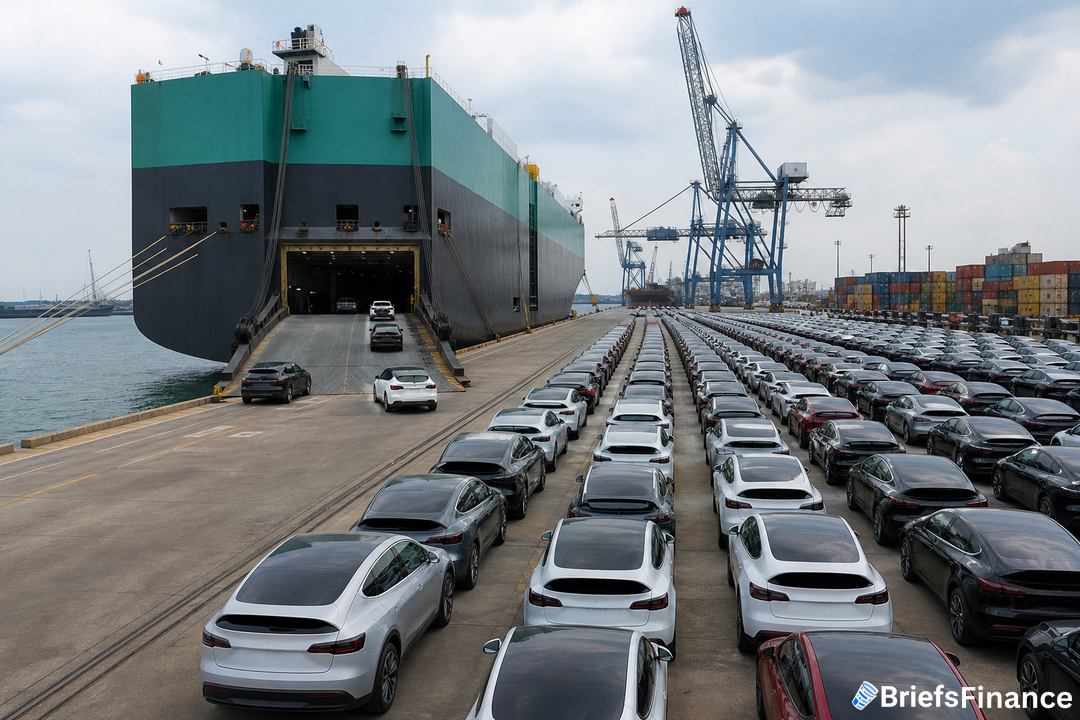
He said the key to making the numbers work is adding more European manufacturing, calling capacity the main hurdle for the region right now. Xpeng is already making the G6 and G9 SUVs along with the P7+ sedan in Graz, Austria, and this month said the new G9L flagship SUV completed its first Europe-based production trial at that site. The company wants to expand production on the continent instead of depending on vehicles shipped from China. It did not share how much extra capacity it is seeking, which countries are being considered, or if negotiations have progressed to concrete investment commitments.
Sales targets in a new market are a bet on pricing and distribution. Market Briefs covers the EV trade free every weekday.
Partners, policy and pressure
Xpeng, a partner of Volkswagen AG in China, has worked with VW on vehicle electronics and driver-assistance tech, and the continent's largest automaker holds an equity stake in Xpeng. The company is in talks with Magna International AG, its Austrian contract manufacturer, about boosting production, while it also evaluates additional manufacturing arrangements in other European locations. The broader backdrop: Chinese carmakers, among them BYD Co., are seeking to establish a durable footprint in Europe as sales weaken at home, and the European Union is pressuring the industry to localize factories and logistics networks. Last week, the EU struck a deal with China that caps deliveries of hybrid cars into the bloc following a surge in imports.
What this means for your portfolio
This push is about building cars closer to customers, which can cut shipping risk and make pricing more resilient if policy winds shift. Watch the capacity adds in Austria, any new plant locations, and how EU rules evolve. Those are the levers that could shape demand for European manufacturing partners and suppliers tied to Xpeng's footprint, not just an abstract sales target.
Half a million cars a year would reshape European competition. Join Market Briefs free and follow the push.