What is new
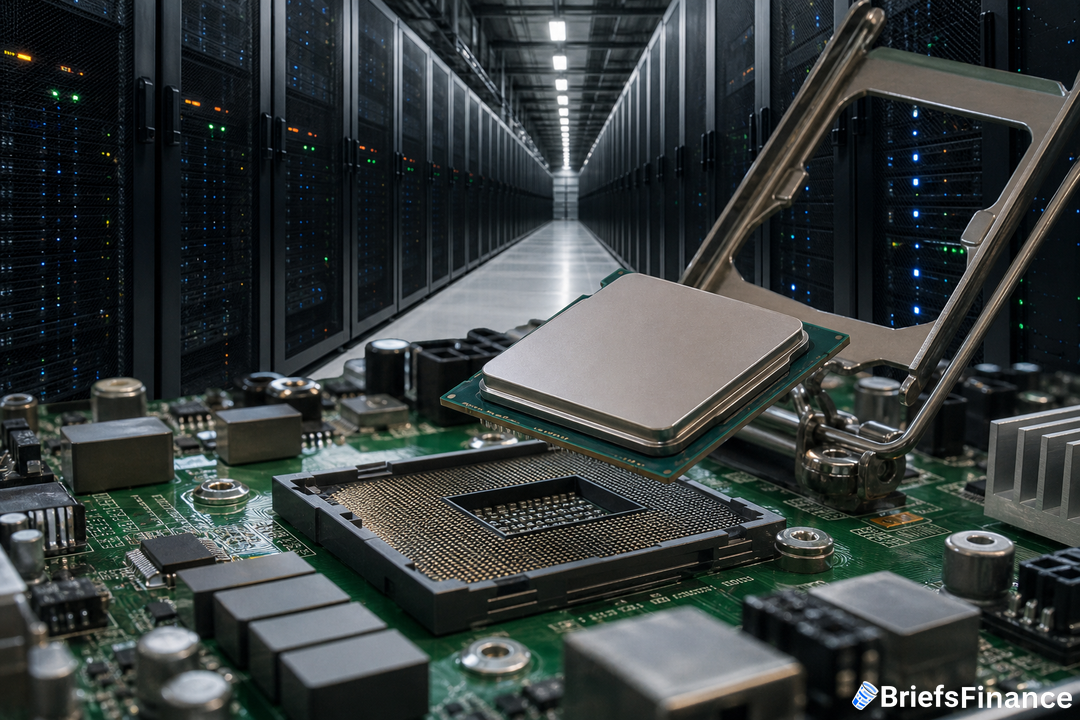
Microsoft is getting ready to load up its data centers with its latest homegrown AI accelerators as it shifts more of its AI work to its own silicon. The company said the Maia 300 will start rolling out next year, and that it intends to deploy Maia at gigawatt scale on that timetable. These chips are built for inference - the stage where an AI model performs tasks like summarizing a meeting or answering a research question.
Why it matters
This is about running AI more efficiently and keeping a lid on costs. By designing chips specifically for its facilities, Microsoft aims to make inference more efficient and lessen the need to buy as many Nvidia graphics processors, which still handle most of that work for the company today. According to Microsoft, Maia 300 is anticipated to provide around a 40% increase in tokens per megawatt versus the foremost GPU-based configurations. Tokens are the small units of AI output, typically a word or part of one.
In-house chips decide how much a cloud provider pays to run AI. Market Briefs covers that economics free every weekday.
Where Maia is running today
An earlier version, Maia 200, began arriving in Microsoft data centers early this year. It helps power the company's Copilot software and other tasks, runs models from OpenAI, Microsoft's AI teams and open-source model families, and is installed in the US, Europe and Australia where it supports AI features in Microsoft Teams and Copilot. For the time being, the company does not intend to offer Maia's raw compute for direct rental to cloud customers - something Google and Amazon do with their own AI chips.
"Our own AI services business is big enough that we want to serve ourselves first," said Rani Borkar, who oversees data center hardware and chip design at Microsoft. "We are confident we have built the best product for these workloads," she added. "We are backing that confidence by deploying Maia at gigawatt scale starting next year."
The competitive backdrop
Microsoft is not alone. Amazon and Google have been building their own AI accelerators for longer and are generally viewed as ahead, which could help all three rely less on Nvidia over time. Microsoft also expects to stock multiple gigawatts of Maia capacity across its server farms, underscoring how fast this is scaling. For everyday users, the near-term picture is simple: Microsoft's AI features already run partly on its own chips in several regions, with a much larger footprint planned next year.
Every hyperscaler building silicon is a bet against buying it. Join Market Briefs free and follow the race.