What governments have done
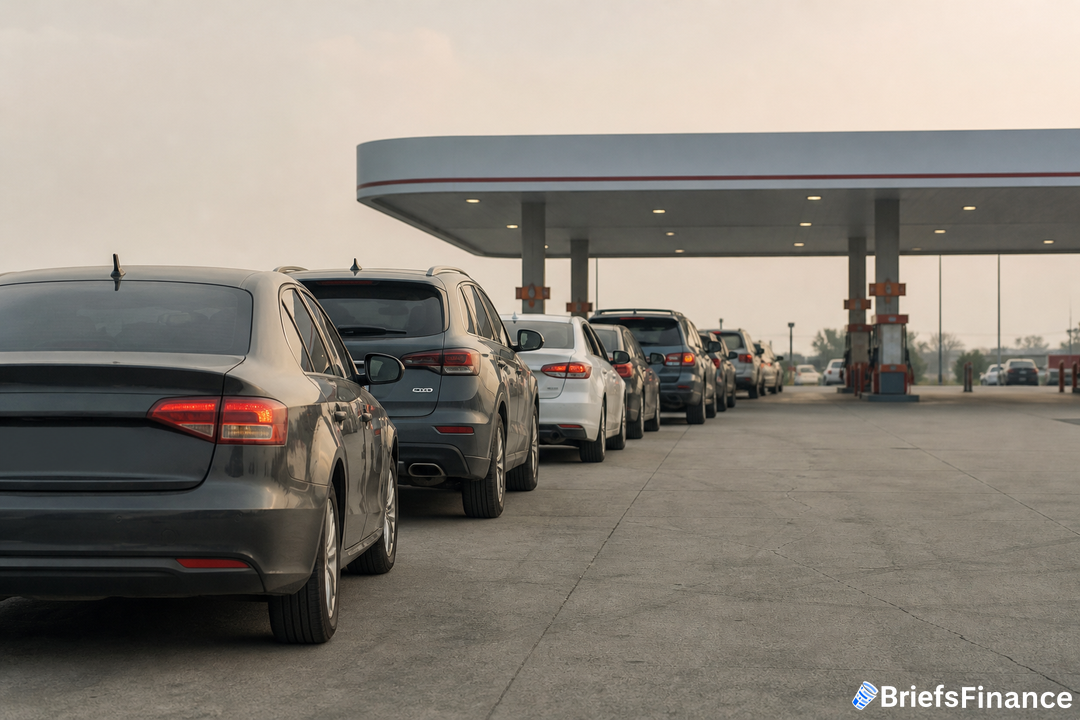
When the conflict kicked off, a number of African countries moved to shield consumers by pausing some taxes and postponing scheduled hikes in regulated fuel prices. Several also arranged supply deals with traders or oil-exporting nations to keep cargoes flowing. Seeking to "cushion citizens from the global increase in fuel," Kenya has asked lawmakers to slash the value-added tax on fuel from 16% to 8%. South Africa initially lowered fuel levies to soften the blow, but that three-month relief ended in June.
Nigeria's "price modulation," in plain English
After European benchmark crude mostly held in triple digits last month, Nigeria introduced a policy it calls "price modulation." Finance Minister Taiwo Oyedele told reporters in Abuja on Thursday that the move delays part of an upward adjustment now and recovers that amount when prices fall. "This is neither a subsidy nor a price control," he said, adding, "It is designed to smooth prices over time rather than suppressing them."
Fuel subsidies are one of the costliest tools governments reach for. Market Briefs covers that tradeoff free every weekday.
Political stakes and recent moves
Fuel prices and availability are politically charged, given how transport costs feed into food prices and household budgets. President Bola Tinubu faces a balancing act: after taking office in 2023, he ended Nigeria's fuel subsidy, and he is seeking a second term in January elections. The latest step "speaks to the government's concern around cost of living as campaign season ramps up, and the need for the Tinubu administration to show it understands the pressure on consumers from high fuel prices," said Clementine Wallop, director for sub-Saharan Africa at Horizon Engage.
She added, "Politically a move like this is tricky for Tinubu, whose first move as president was to scrap fuel subsidies." This week, South Africa lifted retail fuel prices by 12% to a record; that surge has taken inflation to 4.4%, up from 3% before the war began, and has led the central bank to raise interest rates twice to date. On Thursday, Zimbabwe trimmed the gasoline price by 0.5% to $2.05 a liter.
What this means for your portfolio
When fuel gets pricier, it shows up fast in transport and food costs, which hit everyday budgets first. Governments are leaning on tax changes, deferred price moves and supply pacts to take the edge off, though some of the relief is time bound. Watch how these policies and inflation prints evolve, because they can filter into borrowing costs and the price of basics you buy each week.
Shielding consumers from prices shifts the cost onto the budget. Join Market Briefs free and follow the policy.