What happened and why it matters now
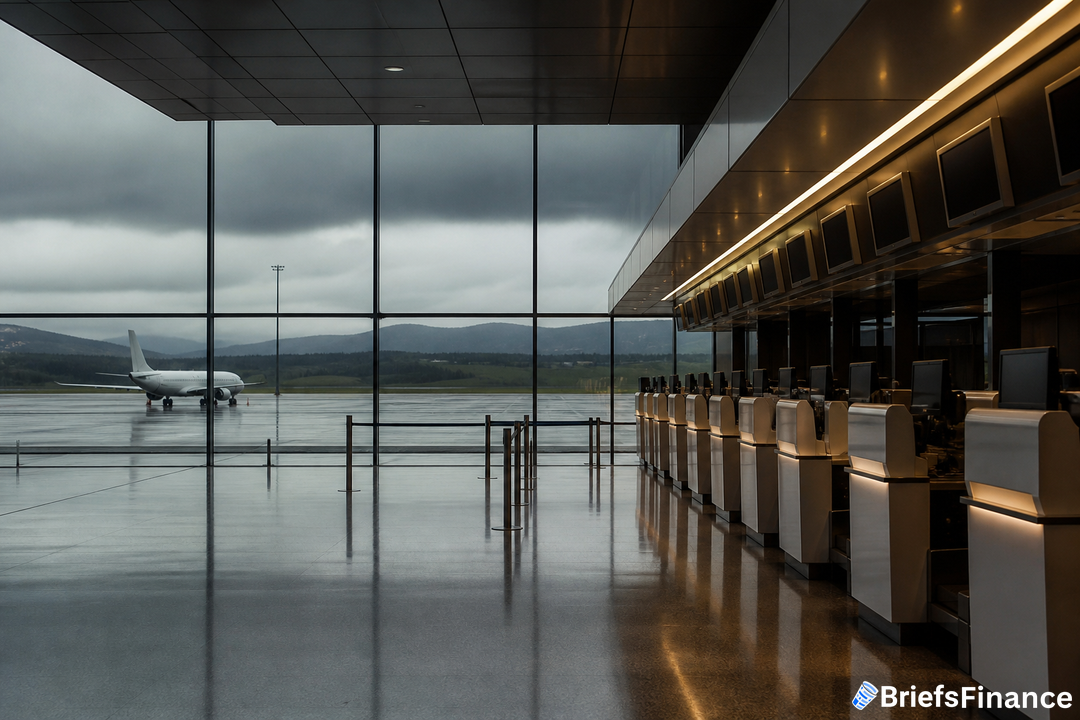
Attacks in recent days on Riyadh's King Khalid International and Abha airport in southwest Saudi Arabia have repeatedly forced operations in the capital to shut for hours and then restart. The strikes by Yemen-based Houthi militants killed three people and left dozens injured, triggering a cascade of schedule chaos for airlines and travelers.
The flight fallout
Cirium says roughly 300 flights set to take off or land at King Khalid International on Thursday were canceled, with most of the disruption hitting national carrier Saudia and low cost rival Flynas. Several airlines have pulled back: Singapore Air has pushed its Riyadh debut to March 28, while Indigo, Air India Ltd., and Philippine Airlines have halted flights to the city, with PAL suspending service until at least Oct. 11. Last week, Cathay Pacific extended cancellations on its Dubai and Riyadh routes through Jan. 31.
Flight cancellations are a fast, visible measure of regional risk. Market Briefs covers that signal free every weekday.
The conflict backdrop
The Iran-backed Houthis are under pressure from a ground push by a Saudi-led coalition in Yemen. Forces backing Yemen's internationally recognized government, together with the Saudi air force, have been attempting to retake areas the group seized during the past month in the vicinity of the strategic Bab el Mandeb strait. Since early September, Houthi fire toward Saudi Arabia has been occurring almost daily. On Thursday, a spokesperson for the kingdom's Civil Defense reported that debris after intercepting a Houthi ballistic missile led to material damage at a kindergarten and at a medical clinic complex in Riyadh, the Saudi Press Agency said.
The wider airspace picture and your travel costs
Caution across the region is still high: several American and European airlines continue to avoid Middle East routes after Iran began targeting Gulf countries earlier this year. Disruptions have become familiar over the last three years as hostilities involving Israel and nearby states persisted, and Saudi airspace has turned into a key detour for flights skirting higher risk air routes above Iran, Jordan, Iraq, and Syria.
When airlines pull routes, insurers and energy traders take notice. Join Market Briefs free and follow the disruption.