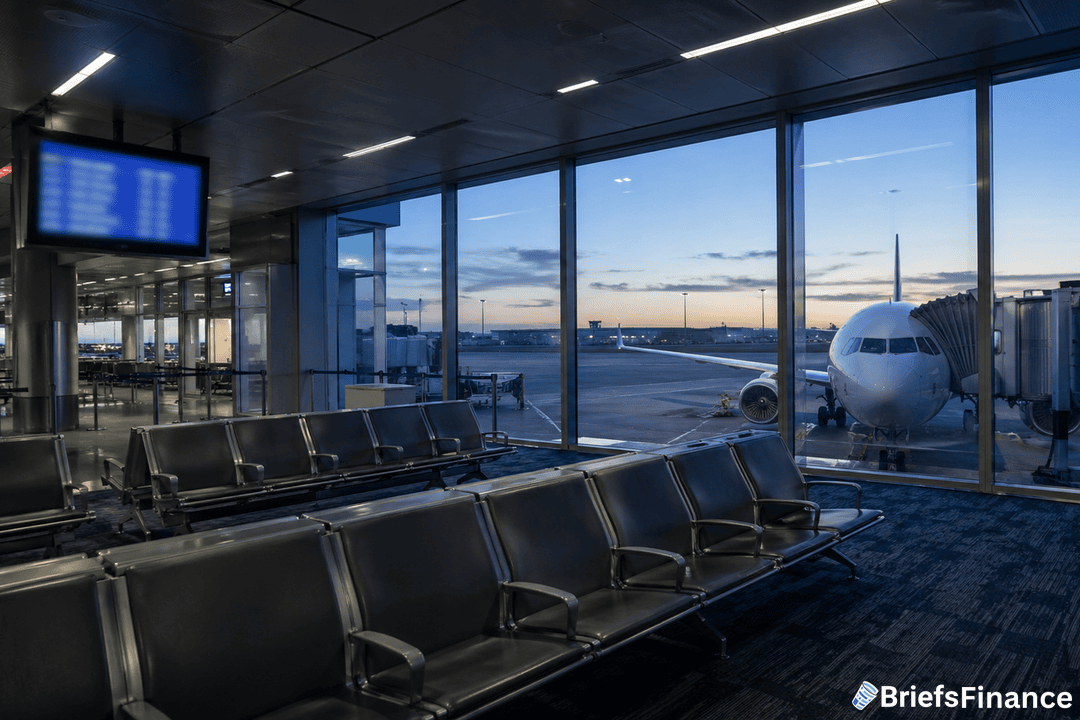
United was not alone. The rest of the airline map is moving too.
Global airlines are cancelling flights or merging routes due to jet fuel strain. The cause traces back to the Strait of Hormuz and the Gulf supply chain.
Asia-Pacific and European carriers are taking the biggest hit.
Why Supply Got Tight
The Strait of Hormuz is the main outlet for Gulf crude. When that strait is blocked or slowed, refined fuel moves slow down with it.
Jet fuel is a refined product. That means its supply chain depends on both crude flows and refinery runs.
Both parts of that chain are under pressure right now. The result is tight jet fuel supply in parts of Asia and Europe.
What Airlines Are Doing
Three patterns are showing up. Some airlines are cancelling routes with weak demand. Some are merging two flights into one. And some are rerouting flights around longer paths to save fuel.
Each of these steps has a cost. Cancelling hurts revenue. Merging disappoints flyers. Rerouting adds flight time and more fuel.
No clean option exists. Carriers are picking the least bad trade-off per route.
Who Is Most Hit
Asia-Pacific carriers fly some of the longest routes. Those are the most fuel-heavy.
European carriers also have big Gulf-to-EU exposure. Many of their flights pass close to the affected region.
US carriers are less directly hit on routing. But they still face the same fuel price move as the rest of the world.
The Refining Piece
Gulf refineries are running at lower use than normal. That is part of why jet fuel prices spiked faster than crude.
Refineries in Asia are trying to fill the gap. But they cannot ramp up fast enough to match the shortfall.
Europe is pulling more fuel from US refineries. That shifts flows but does not add more supply.
What This Means For Flyers
For flyers, the short-term view is simple. Some flights will be cut. Some will be late. Some will cost more.
Rerouting in particular adds real time. A Gulf-to-EU flight that used to take seven hours may now take ten.
Book buffer time on any trip that touches the region.
The Stock Read
Airline stocks are under pressure. Higher costs plus fewer seats sold usually equals lower earnings.
Legacy US carriers may hold up better than Asia-Pacific names. They have more pricing power and less direct Gulf exposure.
Low-cost carriers may fare worse. Their models depend on tight cost control, and fuel spikes hit them hardest.
What Comes Next
Two things to watch. First, how long the Strait stays strained. Each extra week of tight supply pulls more routes into the cut list.
Second, how airlines price for the summer. If firms raise fares more, the hit to earnings can be smaller. If they hold fares, the hit gets worse.
Most big carriers are signaling they will raise fares. That is the playbook from every past fuel spike.
The Frequent Flyer View
For people who fly a lot, the effects show up in three ways. Fewer flights on some routes. Longer travel times on others. Higher fares on the rest.
The first two are the quiet costs. Most flyers notice the last one most.
Worth Noting
Global flight networks run on a thin margin. Any shock to fuel supply ripples wide and fast.
This shock is wider than most.
The map is being redrawn as it goes.